Arrange a Property-Specific Storm Review
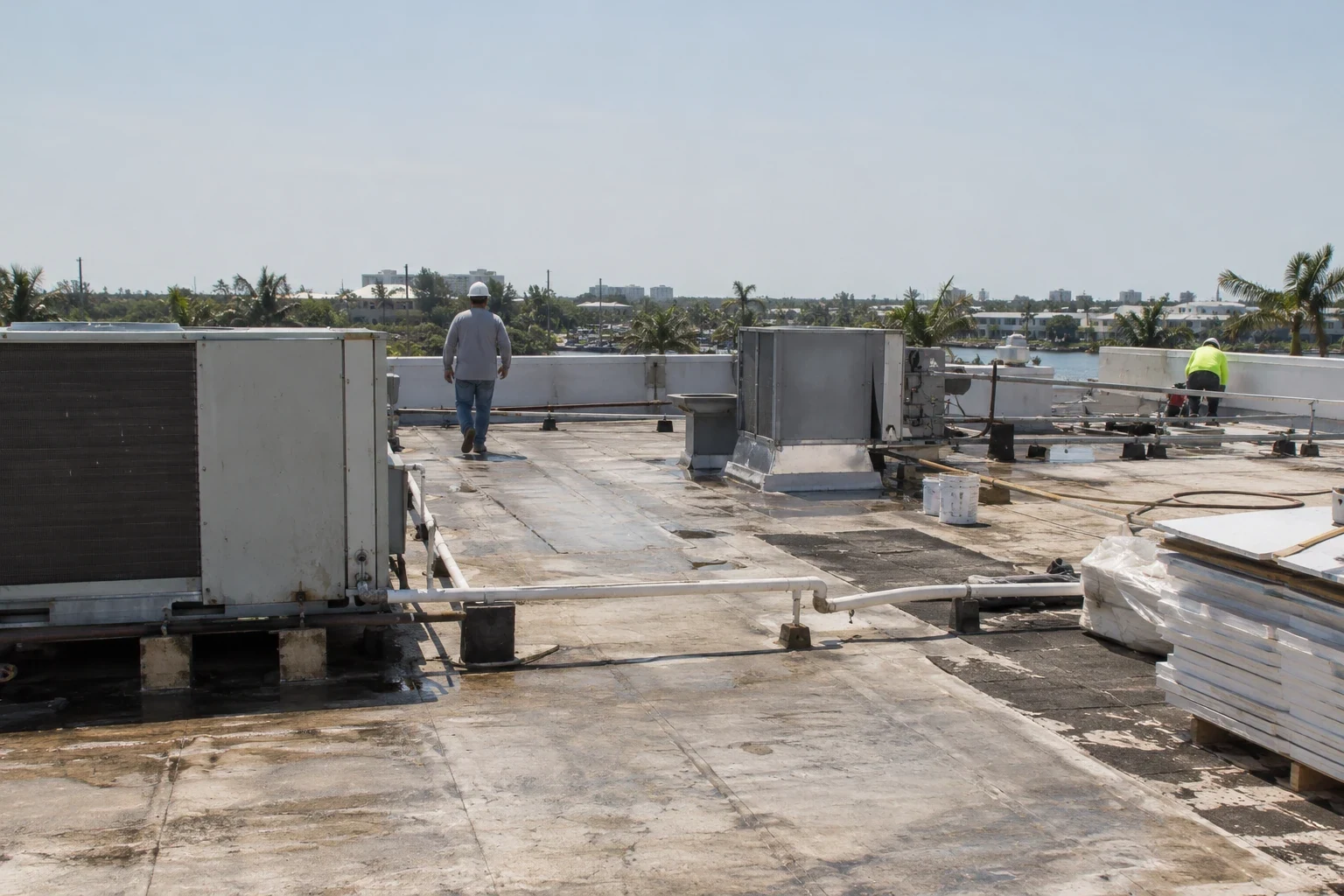
After a storm, a building owner may need an immediate dry-in and a separate record of roof damage. Those are related tasks, but they answer different questions. We inspect the roof assembly, document visible conditions, and identify what requires repair. Round Rock experienced a tornado track during the March 2022 severe-weather outbreak, with large hail also reported across the region. Areas such as Downtown Round Rock and the Chisholm Trail Road and Old Settlers Boulevard corridor reflect different commercial settings where access and operations can shape a restoration visit.
A weather report gives regional context. It does not prove the cause or extent of damage at one building. The inspection has to connect the roof detail, interior report, and work area.
Send the property address, reported event and date, interior locations, roof plan, access contact, and any requested inspection format. We will define the inspection boundary. Call 555-555-5555 or request a roof assessment.
Separate Observed Damage from the Weather Record
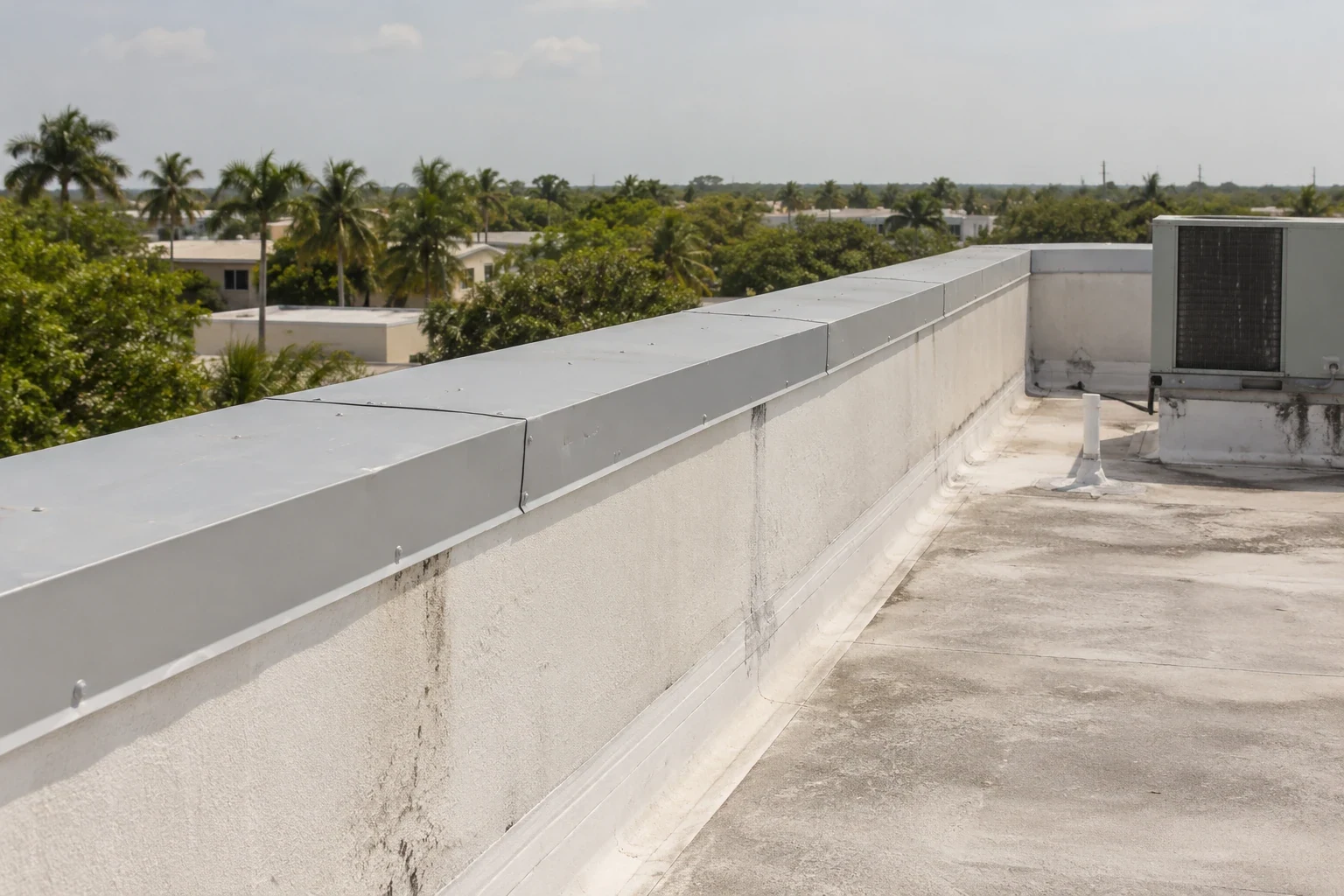
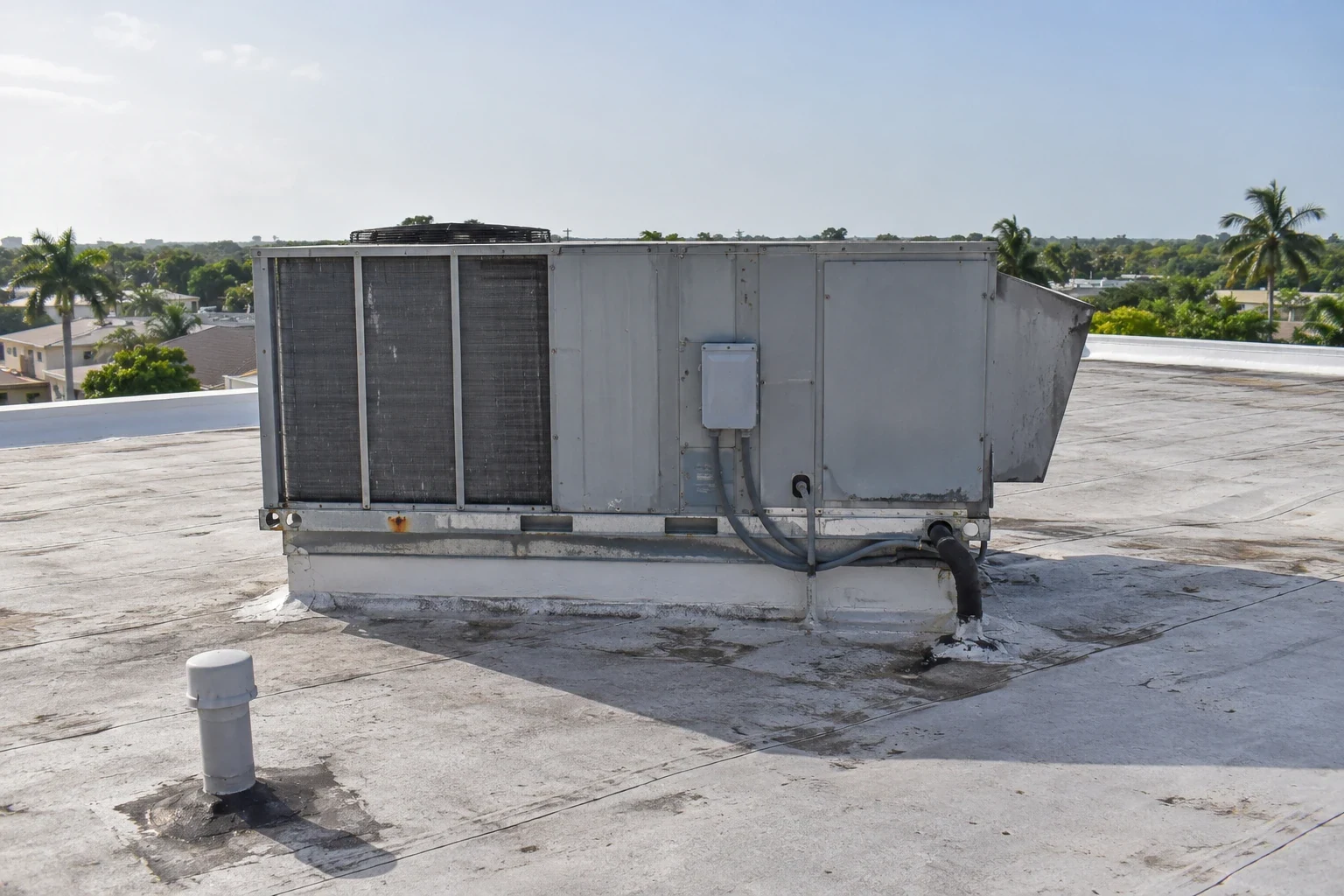
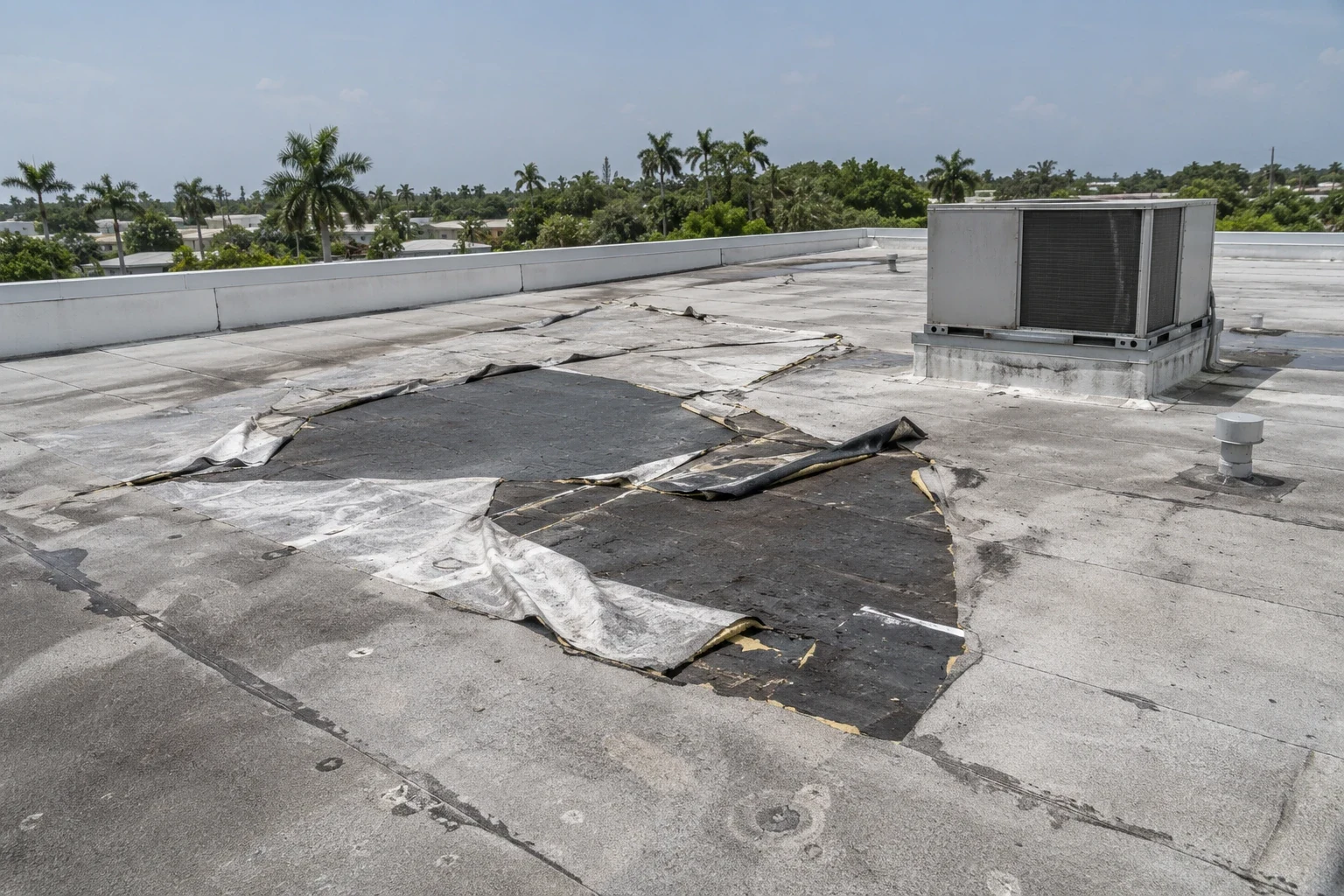
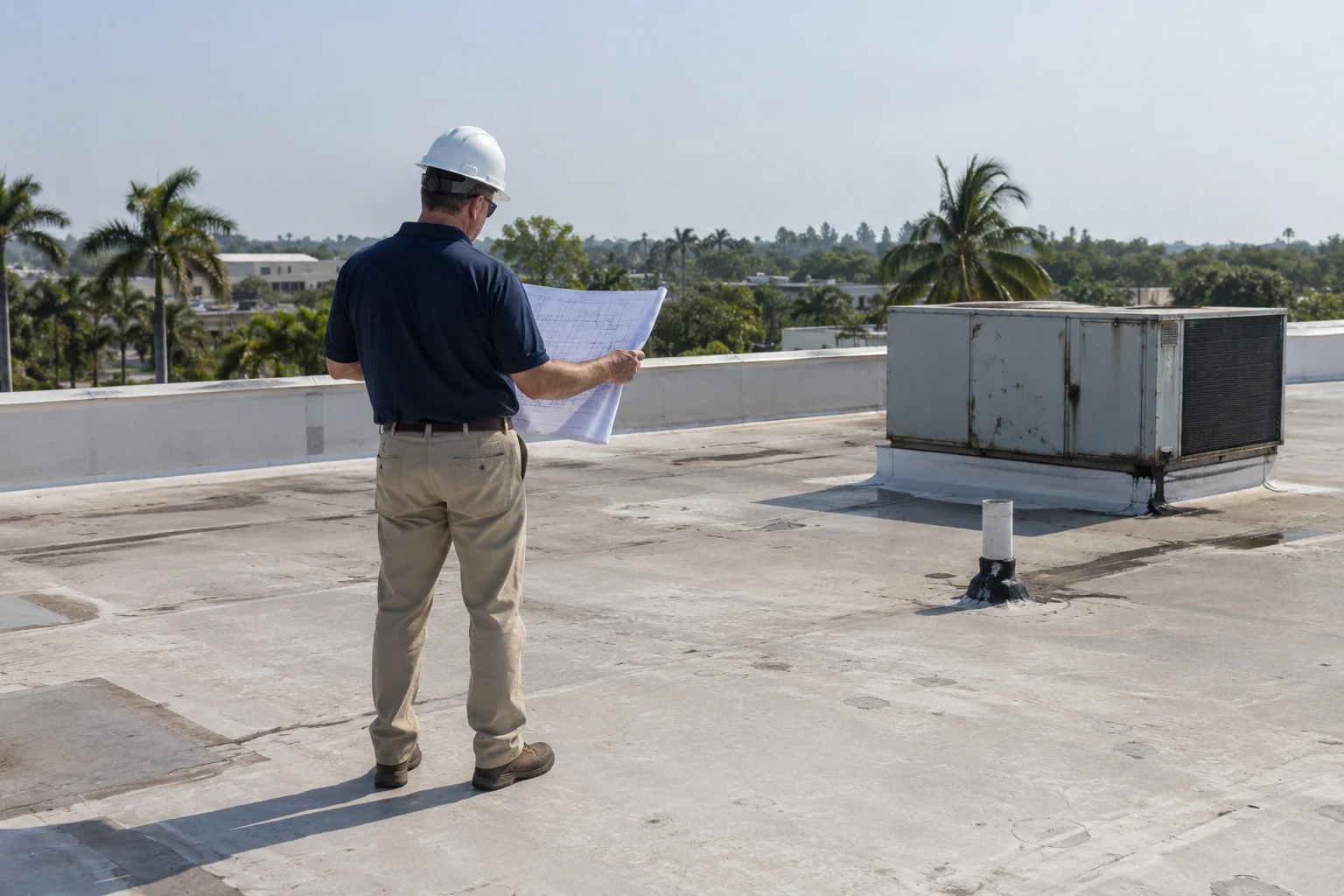
We record the address, reported event, date, roof zone, and accessible areas. The walk checks membrane seams, punctures, flashing, edge metal, drains, rooftop units, and visible impact marks. We compare those observations with the reported interior moisture. A stain can be distant from the entry point, so the report shows the path examined rather than assuming the nearest roof detail caused it.
Hail can leave marks on exposed components, while wind can move edges or loosen flashing. A condition may also predate the event or result from maintenance activity. We describe the observed material and location without assigning a cause that the field evidence cannot support. Areas concealed by equipment or unavailable during the visit are identified as inspection limits.
During the March 2022 event, a tornado tracked through Round Rock and later reached EF2 intensity in northeastern Williamson County. That history helps explain why owners request post-storm reviews. It does not establish that a particular roof was struck or damaged. We inspect the specific assembly and document evidence before recommending repair.
If concealed moisture affects the scope, an approved test cut can sample insulation at a selected point. The result applies to that opening only. We mark the sample location and close it under the agreed method. A broad repair recommendation needs broader evidence than a single test.
Control Water Before the Full Scope Is Settled
An active leak may need a temporary dry-in while the inspection continues. When a damaged roof leaves water entry open, we can respond at night and on holidays to stabilize it. The property contact directs access and protects contents below. We note which temporary materials were installed and where, then return for permanent work when conditions permit.
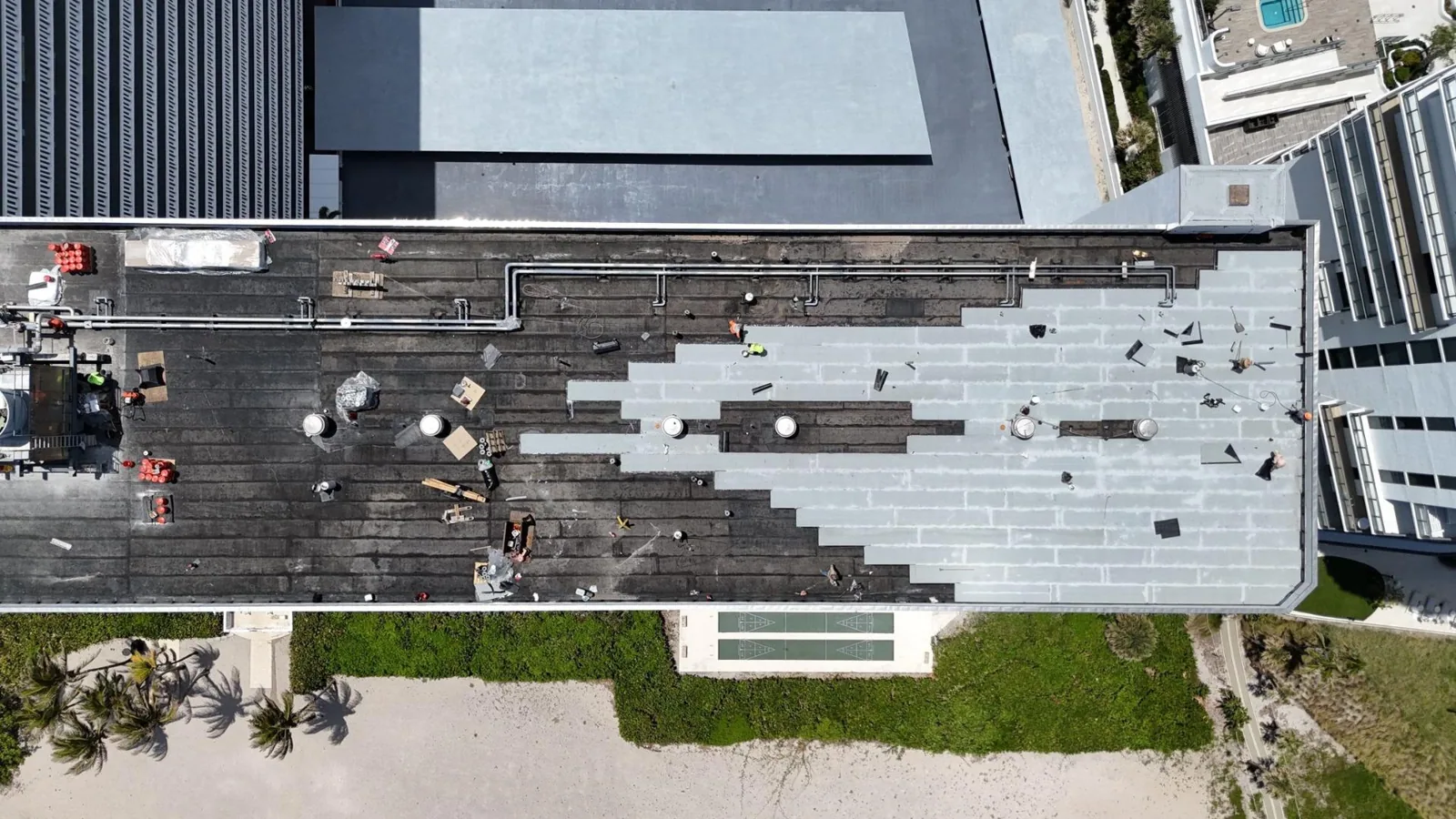
For a larger roof, mark each affected field separately. A storm may damage edge metal on one elevation and leave another area unchanged. A repair boundary should follow observed conditions and the assembly. If wet insulation or deck damage appears during tear-off, the crew documents location and quantity, secures the opening, and requests authorization before adding work.
Industrial and delivery uses along Chisholm Trail can call for separate truck and pedestrian routes, while central district properties may have limited staging. The owner or restoration lead confirms the gate, tenant notices, fire lanes, and lift placement. We coordinate with the assigned restoration contractor when interior work or temporary protection falls outside roofing scope.
Useful tasks include roof claim documentation, storm damage repair, and commercial roof inspection. When multiple trades are involved, coordinate close-in with the general contractor and record transfer with the property manager.
Prepare a Repair Record That Can Be Reviewed
Each finding should name the roof zone, observed condition, supporting photo or Diligence Notes, and proposed action. The estimate separates emergency water control, permanent repair, and unrelated maintenance. If an item needs further testing, state what the test would establish and what remains unknown until it is performed.
Insurance coverage and claim decisions belong to the policyholder and insurer. Our roofing record describes physical conditions and work performed. We do not determine coverage, depreciation, or entitlement. If an adjuster requests a specific measurement or document, identify it before the roof walk so the inspection can address that scope where access allows.
Cost and timing depend on roof system, access, storm-created opening, affected area, material availability, interior protection, and weather. Replacement may require staged dry-in and coordination with occupants. A recover or coating option depends on the existing assembly and moisture condition. The proposal names preparation, repairs, and exclusions so the owner can compare the actual work.
City building inspection enforces local ordinances and reviews project requirements. The owner and design team confirm which approvals apply to the work. Project requirements vary with the scope and authority having jurisdiction. The building owner and design team determine applicable permit and review steps. We provide product and roof information for their evaluation.
When the roof contractor and interior restoration crew share a schedule, name the handoff point. The roof opening should be closed or temporarily protected before ceiling finishes are replaced. Record who confirmed that condition and which rooms remain under observation. This sequence helps prevent a finished interior from hiding an unresolved roof question.
Track Temporary and Permanent Work Separately
Closeout records the building, roof section, materials, completed repair, and remaining monitoring item. Temporary dry-in and permanent work have separate locations and dates. If rain has not tested a permanent repair, say so. A later inspection can revisit the field mark and compare the same detail after weather exposure.
Keep the event notice, interior reports, roof plan, inspection notes, repair proposal, and final work record together. For a multi-tenant property, record who received notices and which areas stayed open. If access was unavailable, list the zone and reason rather than leaving it ambiguous.
Round Rock's I-35, US 79, SH 45, and SH 130 network provides major routes across the market. Each property still has its own entry instructions and safe staging locations. The restoration lead provides current tenant, lift, and material-delivery controls before mobilization.
A follow-up roof walk should answer a defined question, such as whether a marked seam remains open or a temporary patch can be removed. It should not imply that unlisted roof areas were rechecked. Clear records help the owner, roofer, and restoration team discuss the same building conditions.
Restoration work starts with a factual record of the observed condition. Photograph the affected roof area, note date and weather context, and distinguish storm-related damage from pre-existing wear where evidence supports that distinction. A roofing assessment can describe repair needs and limitations, but coverage decisions belong to the insurer and policy process. Keep emergency stabilization separate from permanent restoration, and document materials and work completed. This gives the owner a usable scope while avoiding promises about claim outcome or payment.
Retain original photographs and label later work clearly so the chronology remains understandable.
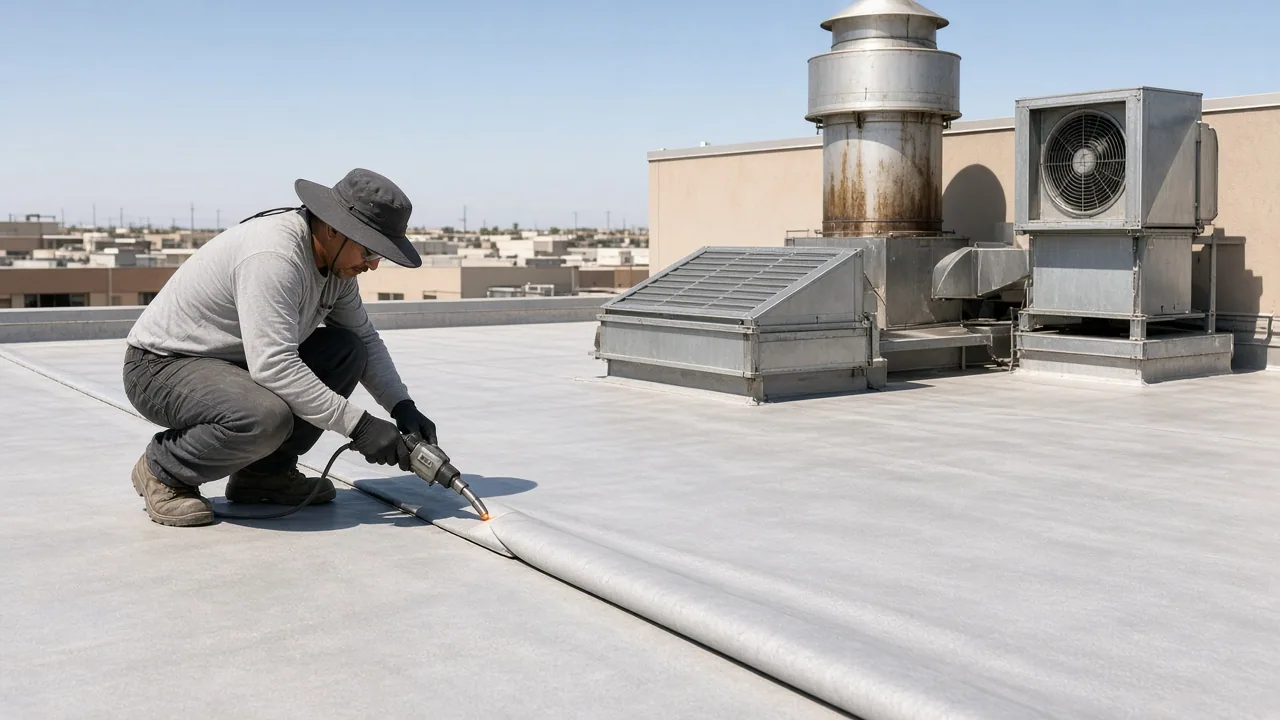
Questions About Insurance Restoration
Does a tornado report prove my roof was damaged?
No. We inspect the building and document observed roof conditions. The regional report does not establish impact at a particular address.
Can you provide emergency dry-in before a full inspection?
Yes, when access and weather allow. We record temporary protection separately and define the permanent repair after the roof assembly is assessed.
Will the roof report decide insurance coverage?
No. It describes physical conditions and roofing work. The policyholder and insurer make coverage decisions under the applicable policy.
Can an adjuster join the inspection?
The owner can coordinate attendance and access. Share requested measurements or report formats ahead of time so the roof walk has a defined scope.
How do you document hidden damage during repair?
We record the exposed location and quantity, protect the opening, and seek approval before expanding work beyond the authorized boundary.
Related Roofing Work
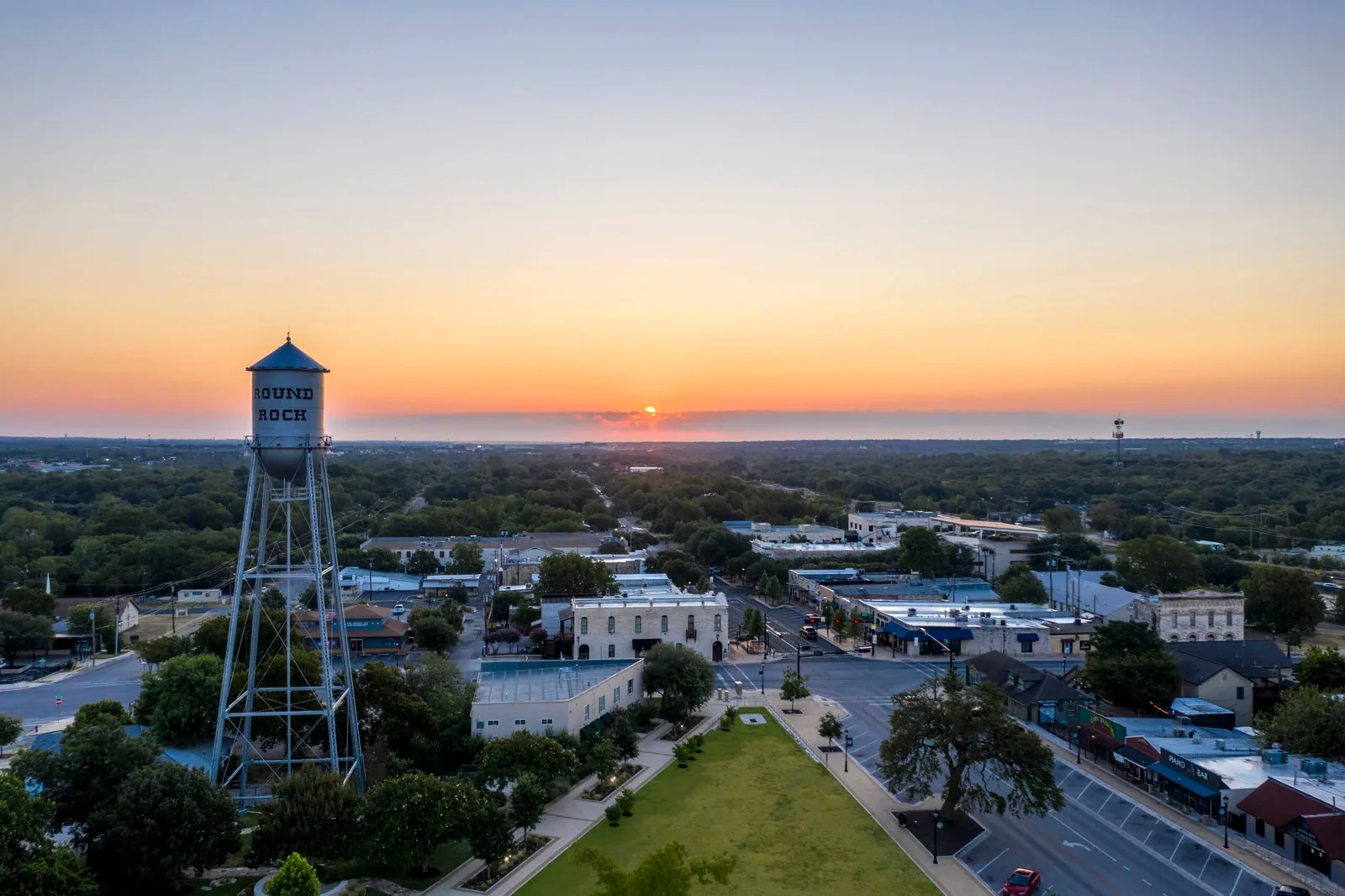
Downtown Round Rock
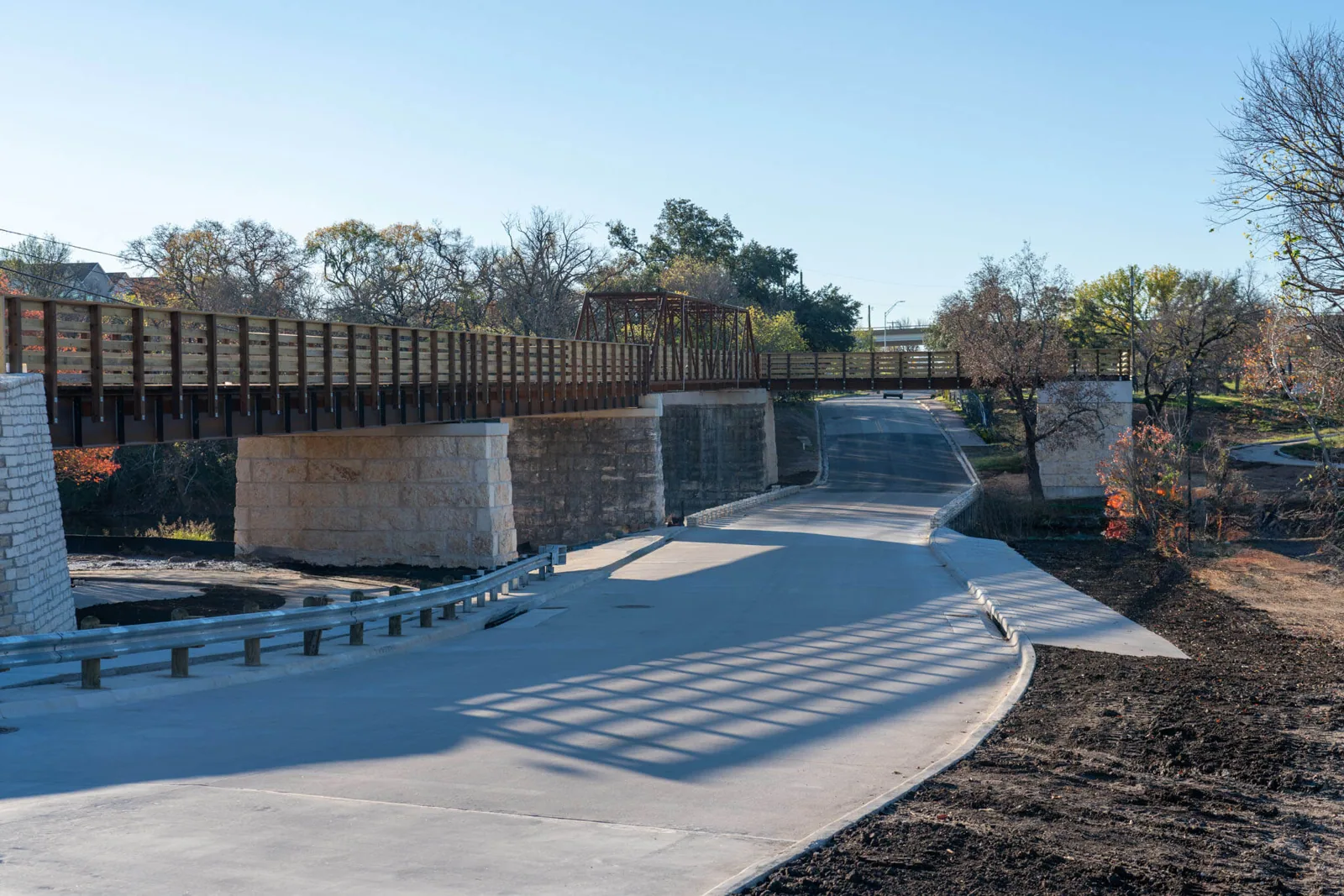
Chisholm Trail Road and Old Settlers Boulevard
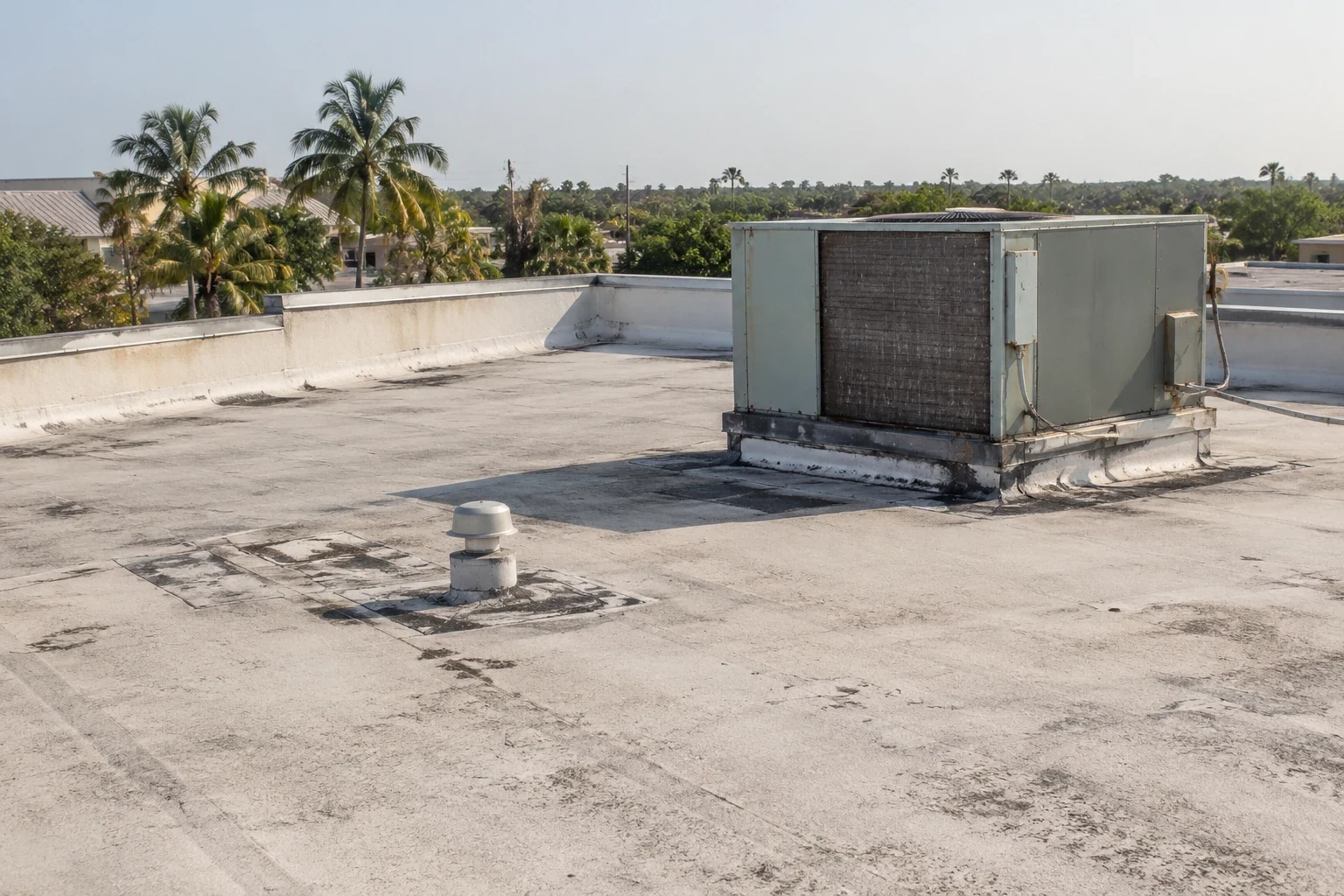
Commercial Roof Insurance Claim Assistance
Storm Damage Roof Repair
Commercial Roof Inspection