
Map the Resident Area
A water mark appears above a resident room, but the nearest roof opening sits beyond the corridor. We record the room, time, and active water, then trace the roof zone above and around it. Round Rock healthcare facilities include the Seton Parkway area and Baylor Scott & White. A senior-living building still needs its own roof and access plan. In senior living, resident routines and protected walkways shape the roof schedule.
Roof systems may vary between residential wings, dining areas, common rooms, and service spaces. We map each building before assigning a repair boundary.
Send the building plan, room and floor, leak timing, care routines, roof access rules, and any equipment restrictions. We will plan the inspection around resident safety. Call 555-555-5555 or request a roof assessment.
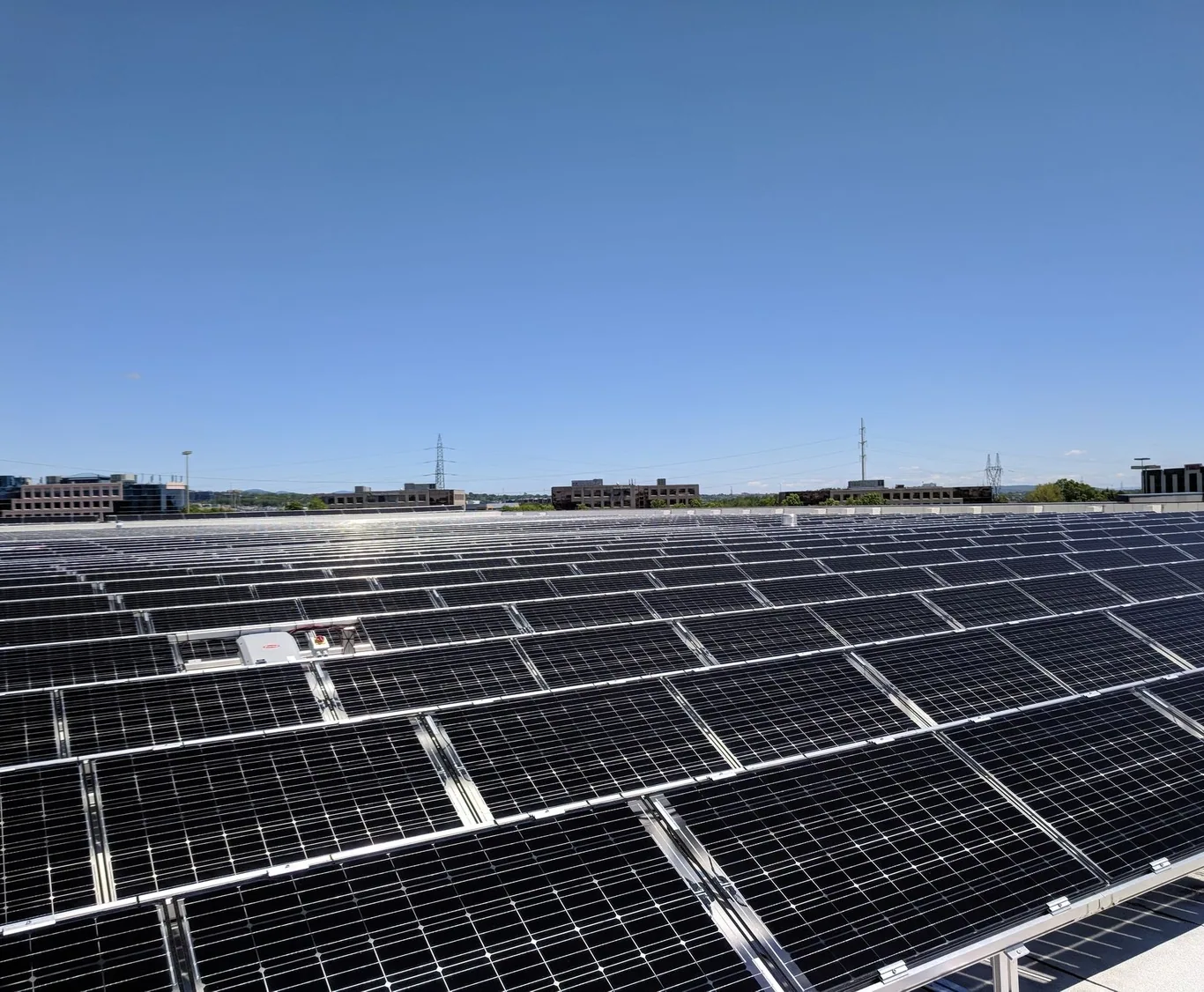
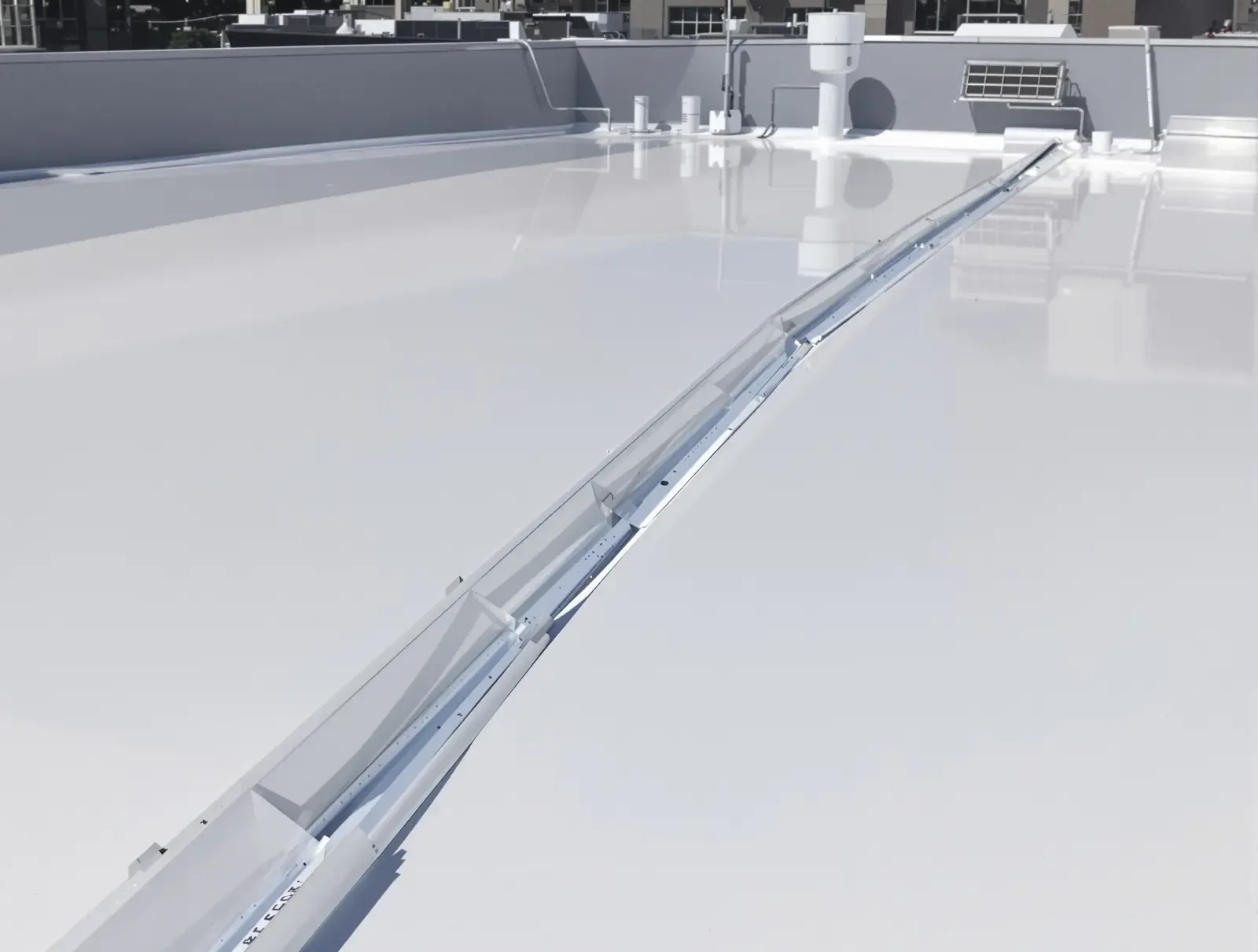
Trace Moisture Without Disrupting Residents
We compare the room location with roof seams, drains, skylights, plumbing vents, and mechanical curbs. Water can travel along the deck before appearing at a ceiling. The inspection separates visible roof evidence from signs that may come from plumbing or condensation. If the source remains uncertain, a moisture scan or approved test cut may help identify the next step.
Resident rooms can contain medical equipment, personal belongings, and mobility routes that need protection. The facility contact identifies where staff must remain available and which rooms can be entered. We plan interior access before opening the roof above a sensitive space. Photos record where covers were placed and which areas remained inaccessible.
We also check roof hatches, ladder approaches, and rooftop equipment paths for safe access. If another contractor is servicing a unit, the site team can coordinate that route so tools do not cross a newly repaired seam. The report identifies the roof zone and any equipment restrictions that affected the inspection.
Water near an exterior wall may enter at parapet coping, a window-head transition, or a roof-to-wall detail. We inspect the termination and track the path from the roof edge toward the room. A resident may report a stain in an upper-floor unit while the entry point sits at a shared corridor wall. We show that route on the sketch so staff can compare roof-side work with the interior location.
Drainage should be checked near resident patios and accessible outdoor areas. We look for blocked strainers, loose scuppers, and discharge that runs over a walkway. A roof repair should not send water toward an entry or leave tools on an accessible terrace. The facility identifies which outdoor zones remain open while the crew works above them.
Schedule Around Care Routines
Noisy fastening, odors, and lift work can affect residents and visitors. We identify which tasks need a quiet window and which can proceed without entering occupied areas. The facility determines when dining, therapy, or family-visit spaces are available. A written work plan lists start times, access routes, barriers, and the contact for changes.
During reroofing, the crew closes each area before leaving and keeps temporary protection at the active boundary. If tear-off uncovers wet insulation or deck damage, we photograph it and submit the measured area before removal continues. The facility manager can approve the added work and any temporary change to resident circulation.
For senior-living properties in Georgetown or Taylor, healthcare access and operating rules are central to facilities planning. These local campuses are not the senior living property being inspected, but they illustrate why roof access and operations need site-specific coordination in Round Rock.
Staff shift changes can affect who receives notices and keys. We identify a day contact and an after-hours contact before mobilization. If the inspection needs entry to a resident room, the facility can schedule a staff escort and explain any privacy rule. The crew records only the roof condition needed to define work and leaves resident information with the facility.
Choose a Repair by Building
A single flashing failure may be repaired locally when the surrounding membrane and insulation remain sound. Recurring leaks in several rooms or wet layers across a roof zone can call for broader work. We map symptoms by room and building, then compare repair, recover, or replacement based on evidence. A test cut describes only the sampled location.
Cost and schedule drivers include building height, number of wings, roof system, interior protection, resident access, noise restrictions, and how many zones can be closed each day. The estimate separates roof work from drywall, electrical, or resident-room restoration. If a building requires temporary relocation or room closure, the facility determines that decision.
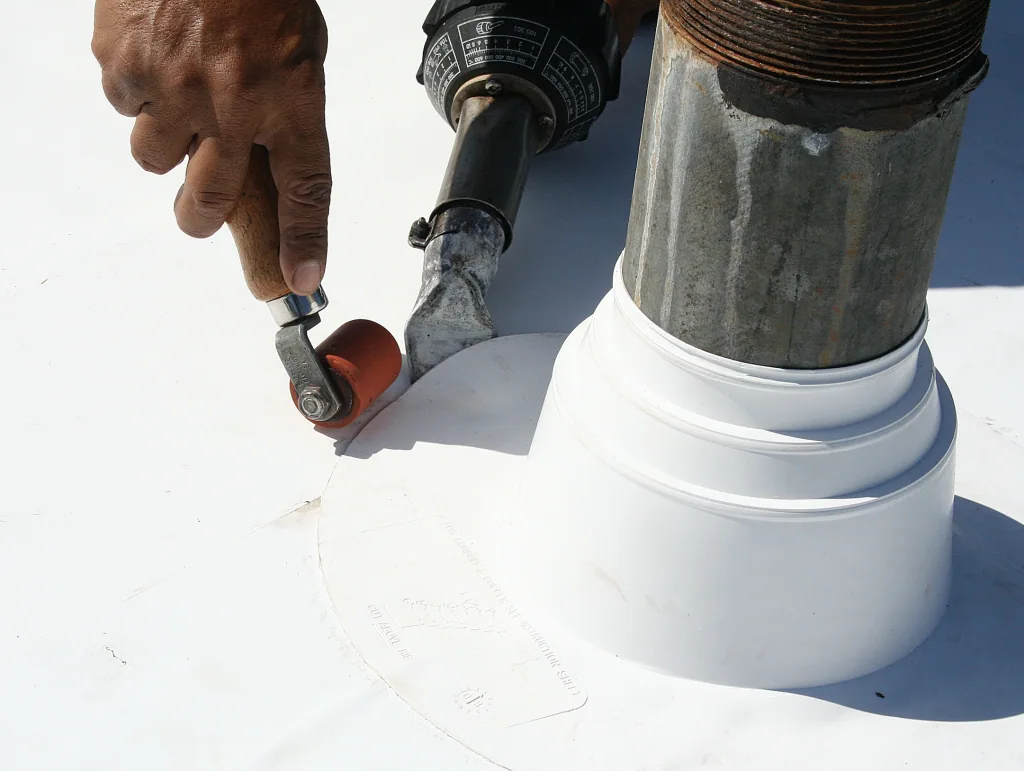
To distinguish a single defect from a broader concern, begin with an inspection. A project may then require phased reroofing or drainage correction. A TPO assembly or modified-bitumen system may suit different sections. A hospital roof and a worship building have different access and operating plans.
For a multi-building campus, repairs can be phased by urgency and resident impact. An active leak above a dining room may need immediate attention, while a dry edge detail can be scheduled with planned maintenance. We label each finding by building, floor, and roof section so the owner can compare scope and resident disruption before approving work.
Return the Room to Normal Use
Closeout records the room report, marked section, material used, and any unresolved observation. Available photos show the roof detail and interior protection. If ceiling finishes need separate work, the report identifies that handoff and the facility contact.
After rainfall, staff can report whether the same room shows moisture. If rain weather has not yet provided a follow-up check, the record notes that gap. A later walk checks the original flashing and nearby drainage before a new repair is proposed.
Keep roof plans, resident-room notes, equipment service records, and repair photos together. When another trade adds a pipe or moves a condenser, facility staff can share the roof detail before the membrane is disturbed. Emergency leak response is available at any hour, with access and care procedures directed by the facility.
Facility maintenance staff can record the day a ceiling was dried, the date of repair, and whether moisture returned. Those details help separate an old stain from an active leak. When a room is closed during work, closeout should state when the roof area is sealed and when the facility can complete its own room inspection.
Senior-living facilities require careful coordination around resident routines, safety, and sensitive care areas. Confirm approved access, work hours, and interior protection with the facility contact. During inspection, record roof conditions separately from resident reports and avoid creating disruption beyond the work area. A repair plan should explain the sequence, expected noise or access changes, and the final check so staff can communicate clearly with residents.
Questions About Senior Living Roofing
How do you protect resident rooms during roof work?
The facility identifies sensitive rooms and equipment before work. We coordinate coverings, interior access, and roof-zone timing around those directions.
Can a leak be repaired without moving a resident?
Often, if roof access is enough and the repair does not require entry to the room. The facility contact decides whether interior inspection or protection is needed.
What if the leak is near medical equipment?
Staff should follow the facility's safety procedures and report the room and active water. We coordinate access and protect the roof opening as soon as the site permits.
Can you reroof one wing at a time?
Yes. We mark daily work zones and dry-in limits by building, subject to roof layout, weather, and access.
What should facilities keep after a repair?
Retain roof-zone photos, room reports, materials, access notes, and any unresolved condition. Those records help compare future leaks with the completed work.
Related Roofing Work
Georgetown
Taylor
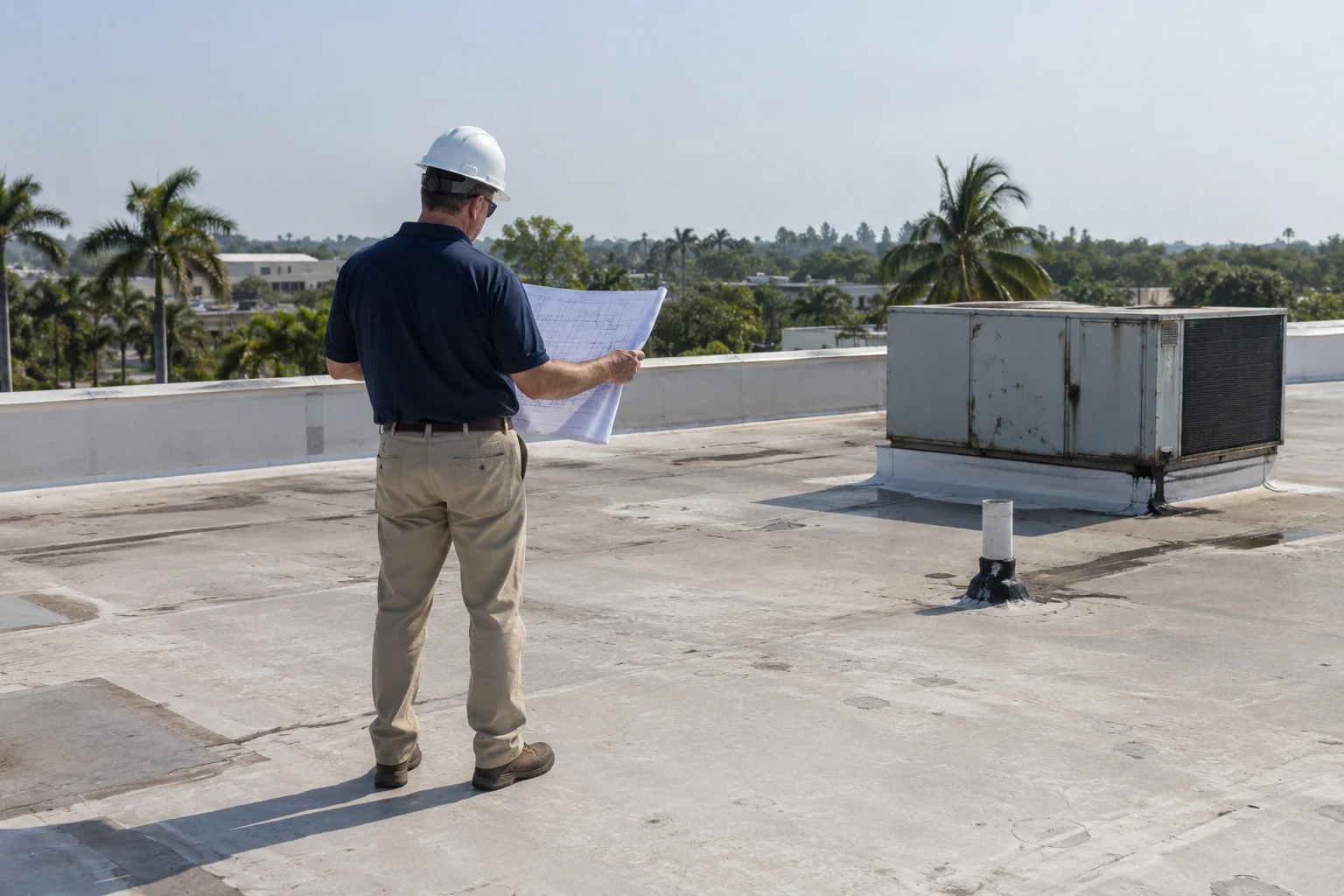
Commercial Roof Inspection
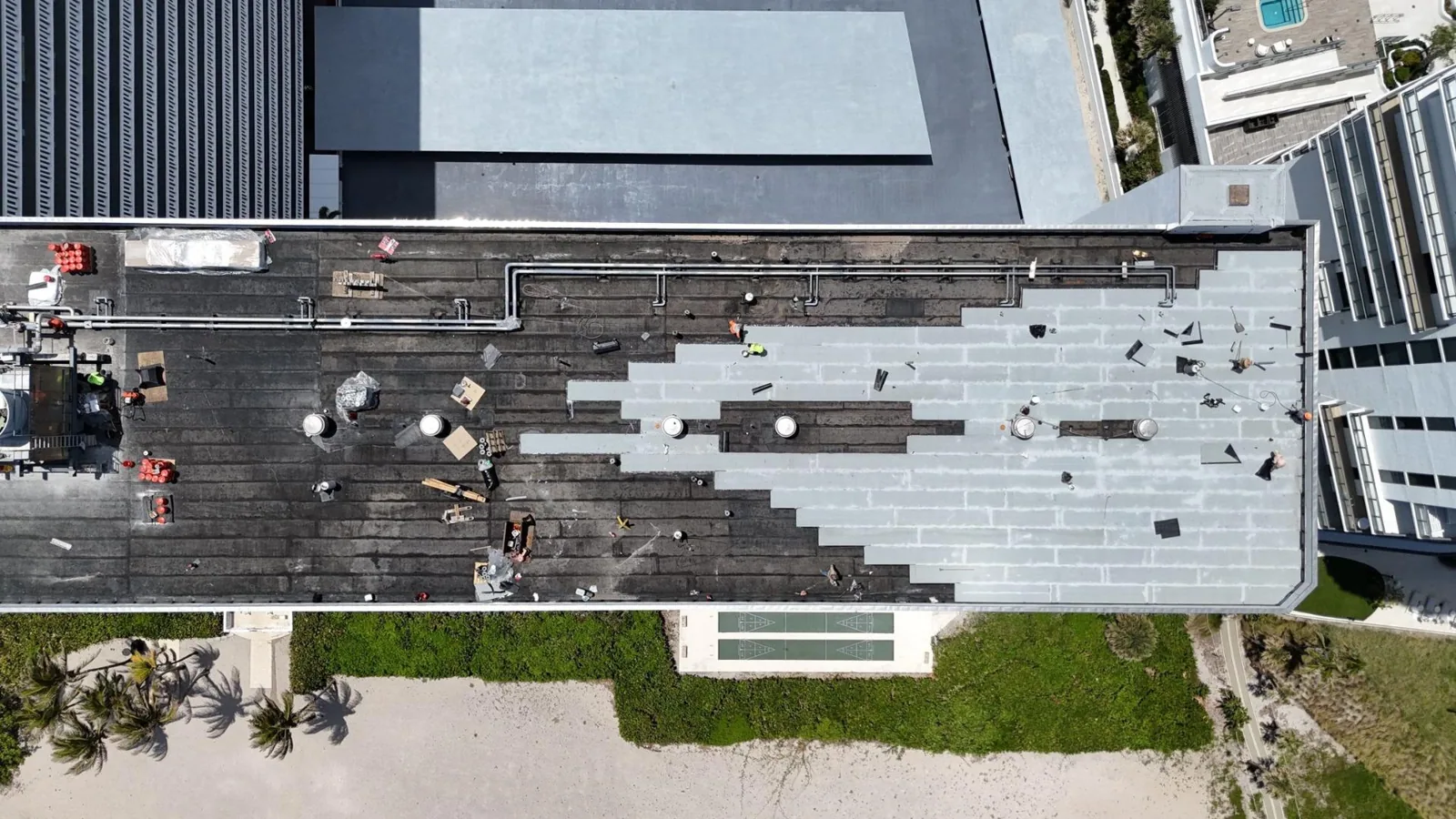
Occupied Commercial Building Reroofing
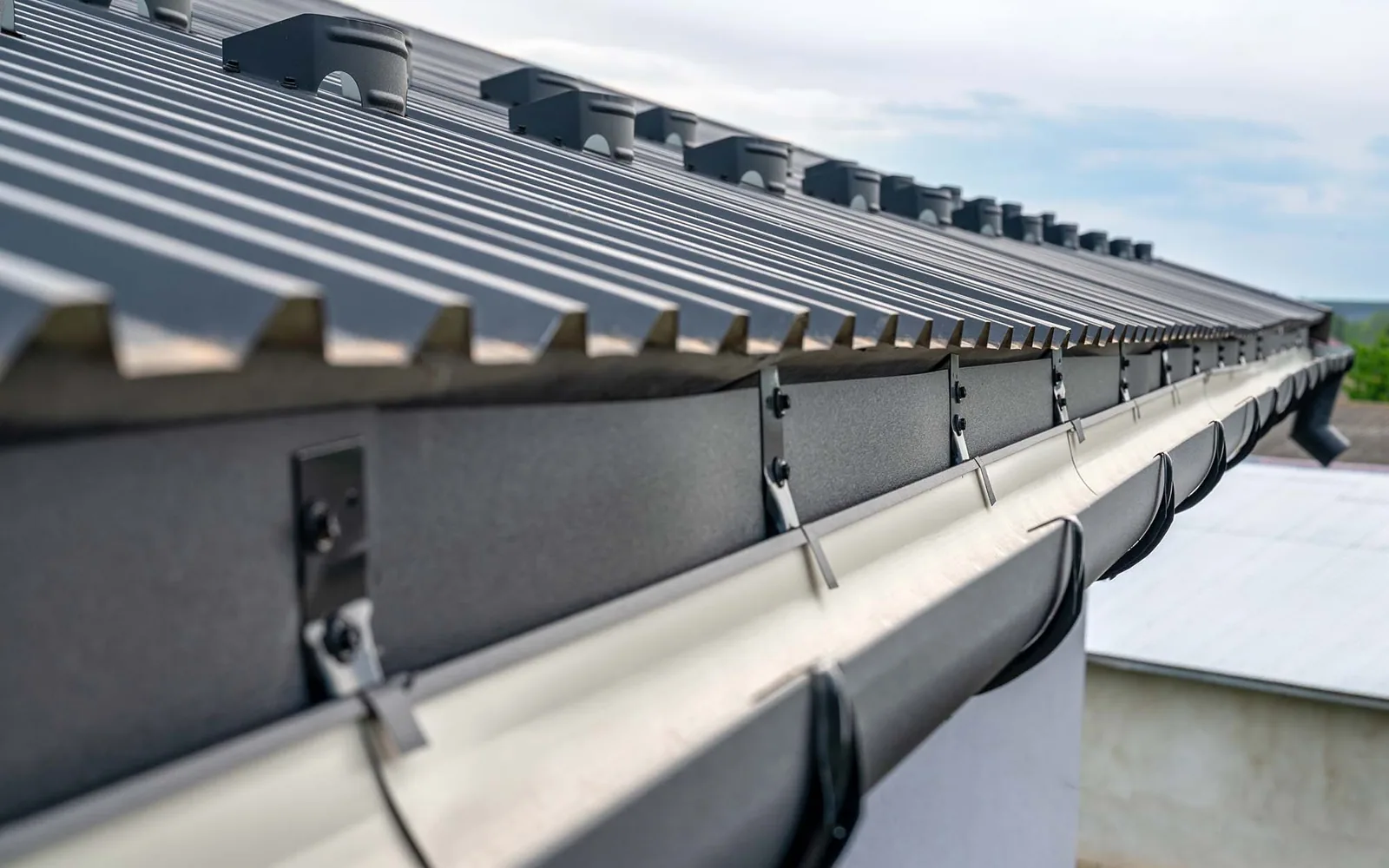
Commercial Roof Drains and Scuppers