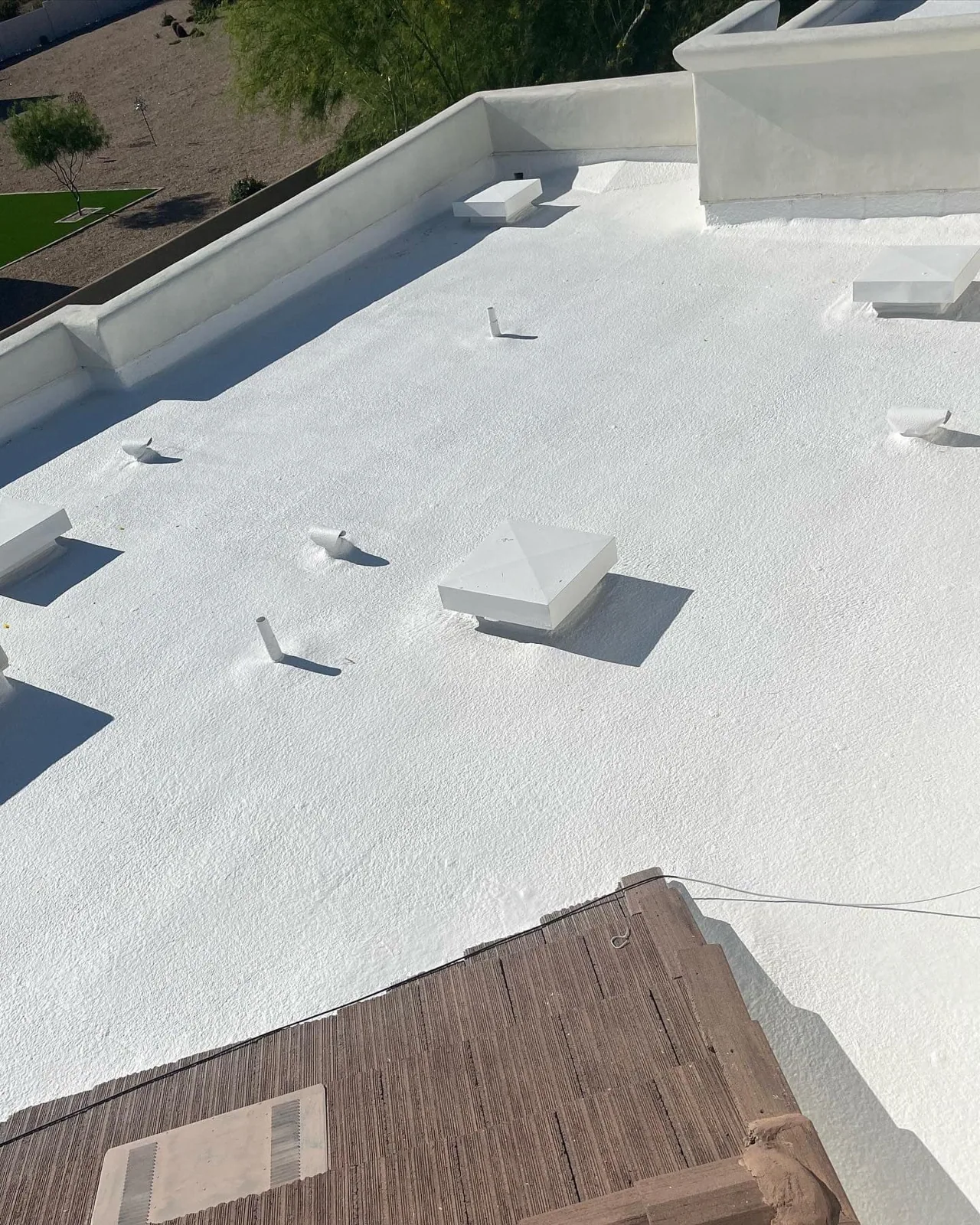
Map the Ponding Area
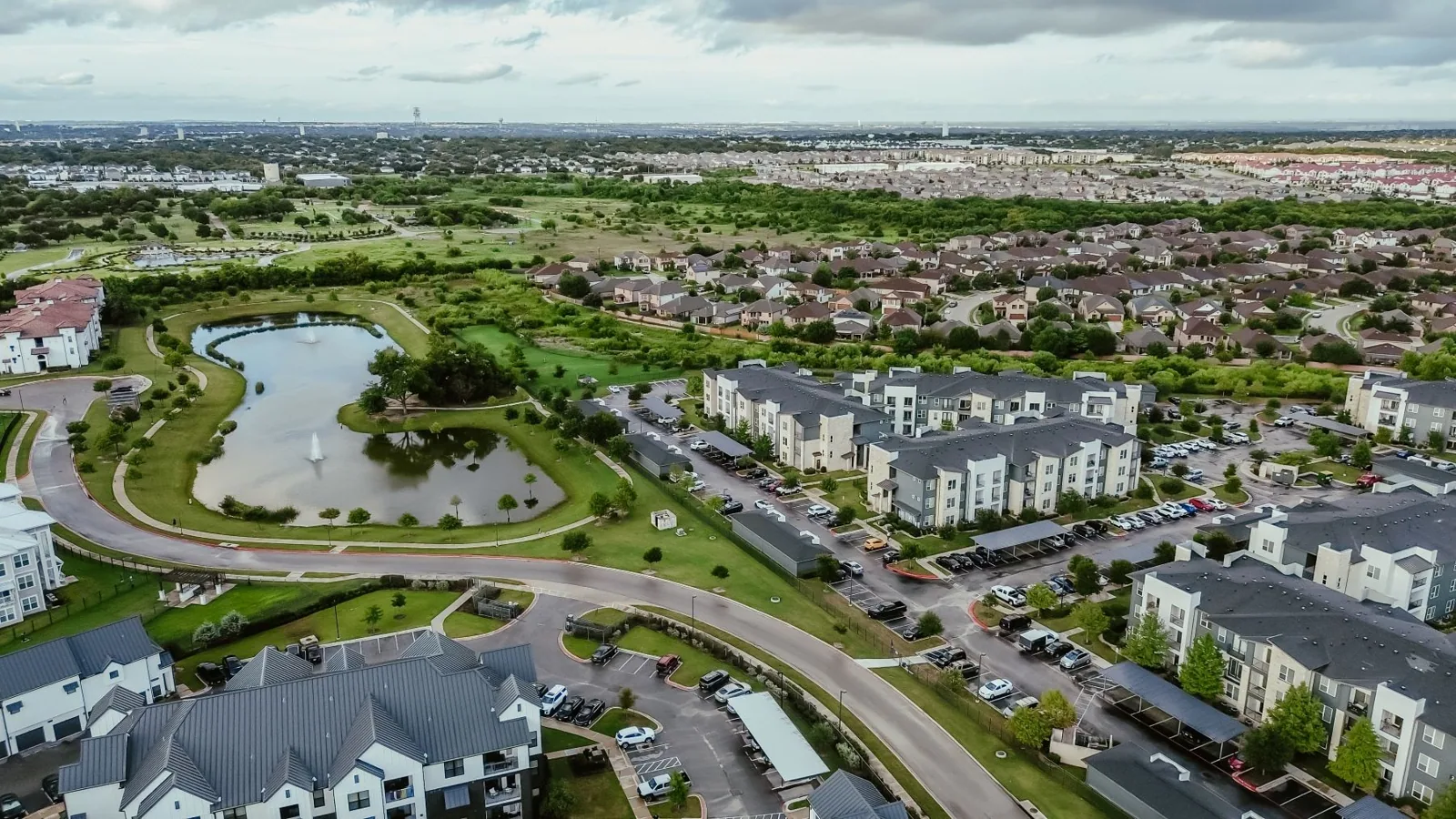
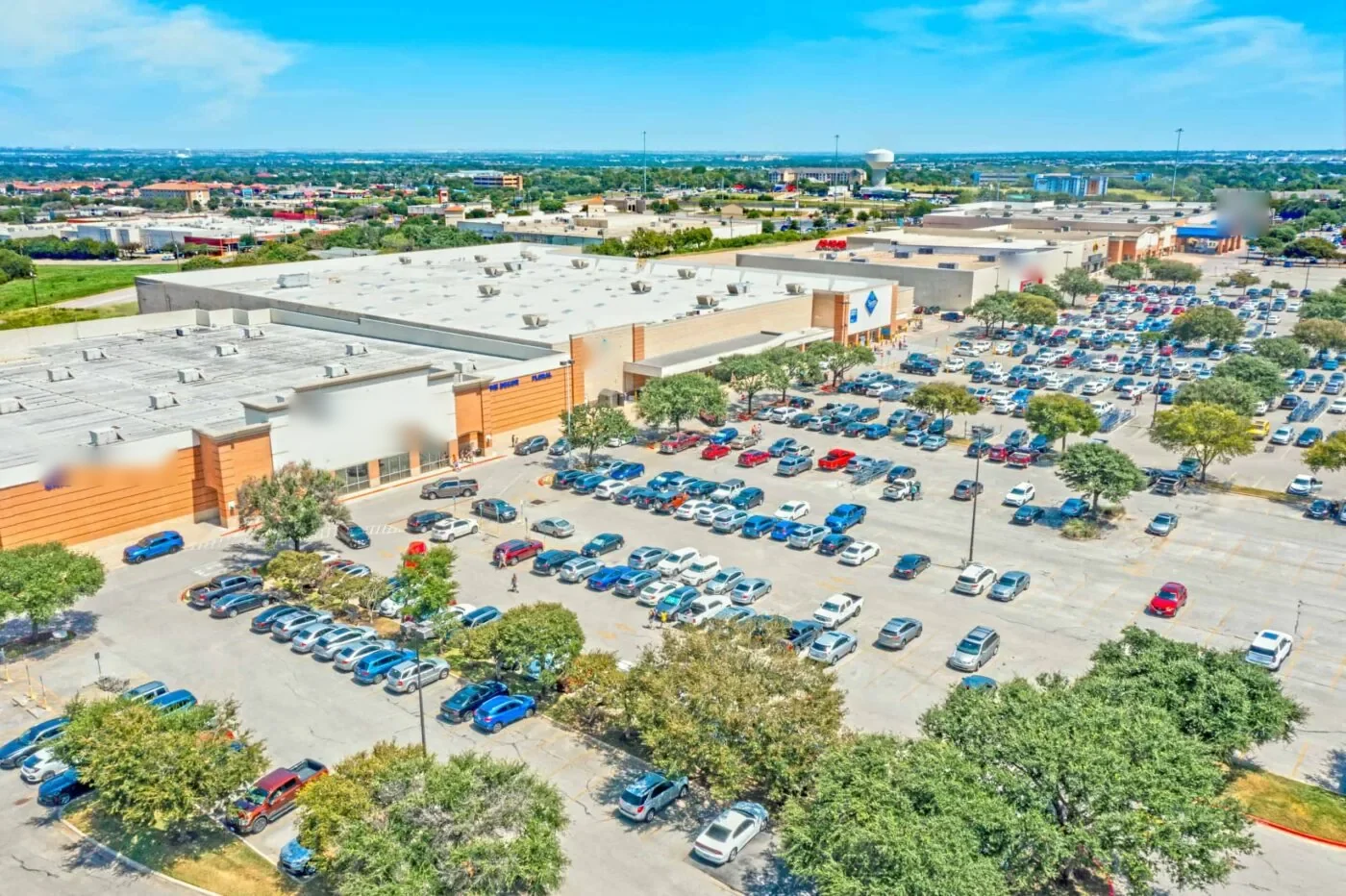
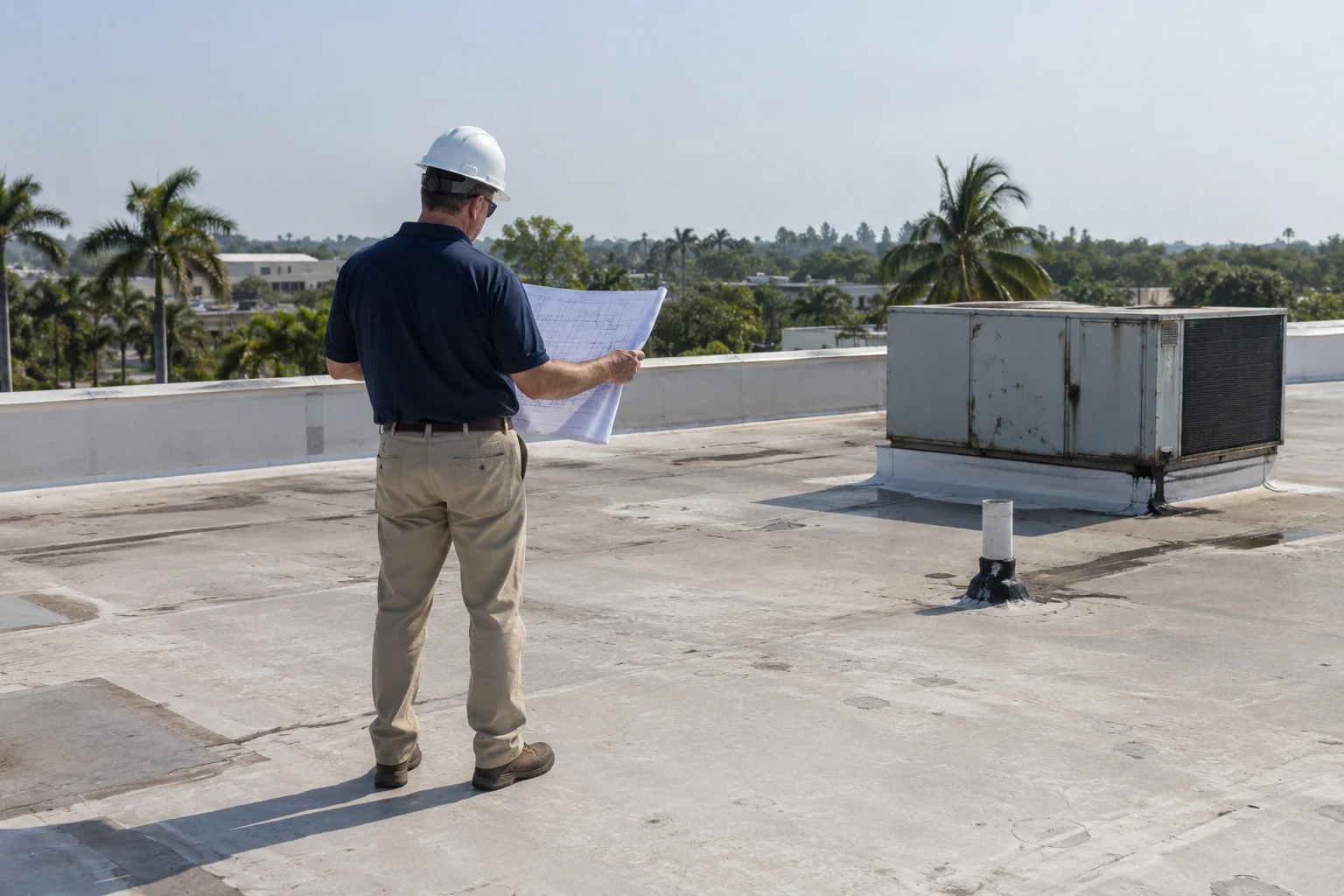
A shallow pool remains beside a rooftop unit after the rest of the roof has dried. We mark its outline and follow the water toward the nearest drain. In Round Rock, large technology sites such as Dell Technologies headquarters and the Switch campus sit within a broader mix of industrial and retail roofs. Commercial buildings in Pflugerville and the La Frontera area have different layouts; the roof assembly at the property being inspected must be verified directly. A field inspection has to identify why water remains at the property in question.
Standing water can relate to a blocked drain, a low spot, a settled deck, or a roof detail that redirects flow. We inspect the path and distinguish a maintenance issue from a condition needing repair.
Send the roof plan, low-area location, drain details, leak reports, equipment map, and access contact. We will check the drainage path and define any repair boundary. Call 555-555-5555 or request a roof assessment.
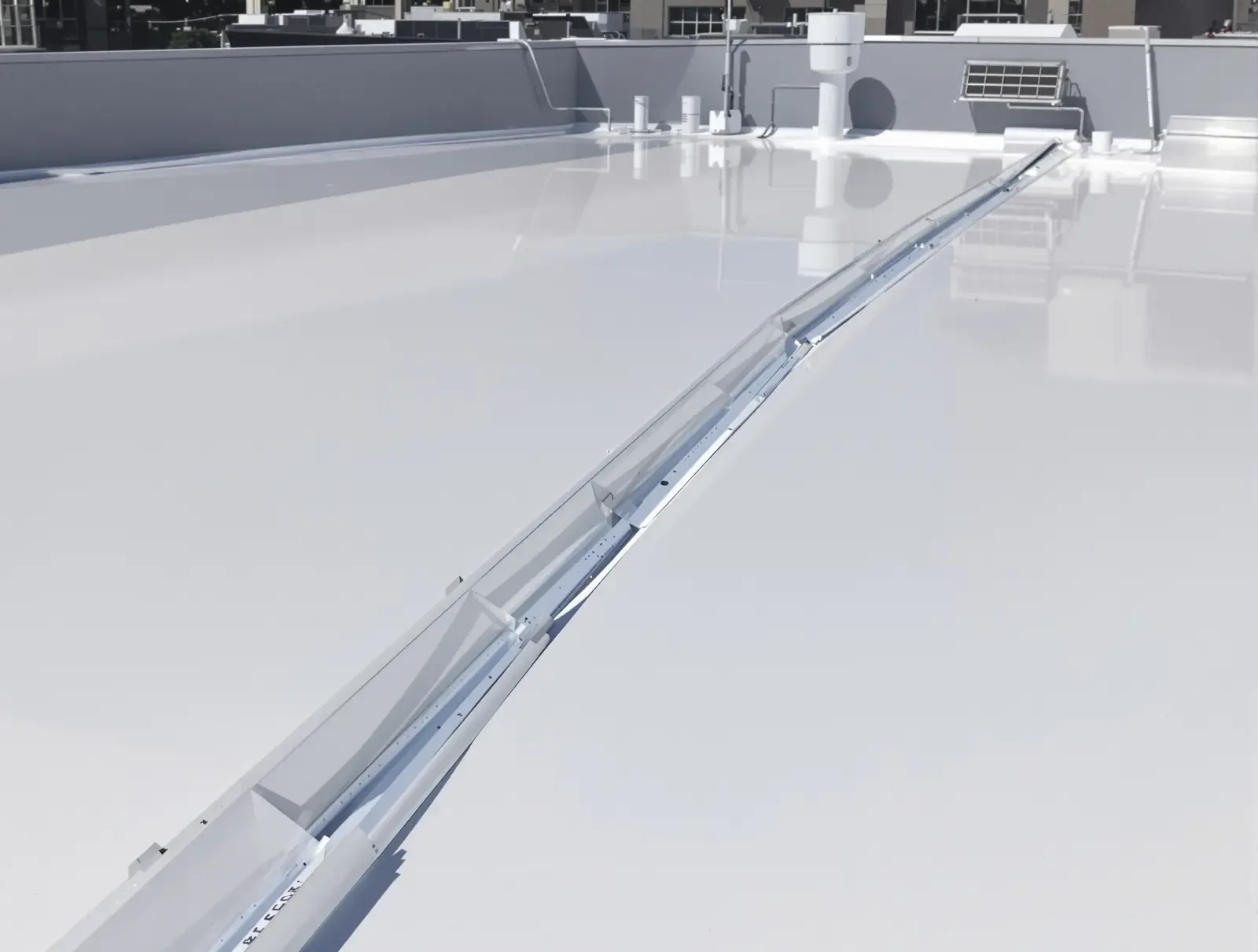
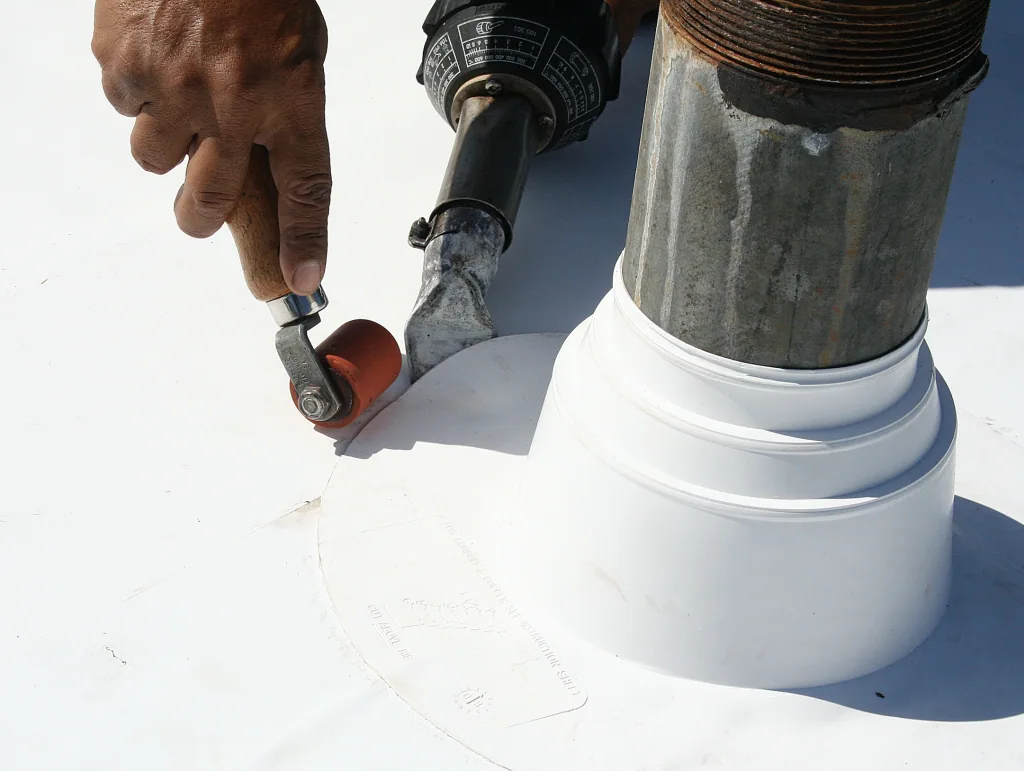
Measure the Low Area and Its Route
We map the water edge, drain bowl, scupper, and roof slope using visible field references. Debris or a clogged strainer can slow drainage. A drain that sits above the surrounding surface may leave a ring of water even when the line is clear. We inspect the bowl, membrane termination, and nearby seams before recommending a correction.
Water can collect behind curbs, screens, or rooftop equipment supports. We check whether the feature interrupts the flow path and whether the membrane detail remains intact. If a unit condensate line empties near the low area, facility staff can confirm its operation. A roof puddle alone does not prove a leak or a failed membrane.
Where ponding aligns with a sag or deck transition, the concern may involve the substrate or structural movement. We record the roof surface and interior clues, then identify whether a design professional should review the condition. Roofing repair does not certify structural capacity. A test cut can show the insulation condition at a sample point but cannot evaluate the whole deck.
Round Rock's commercial stock includes data-center and technology campuses, offices, healthcare properties, and distribution facilities. Different equipment layouts can affect drainage around roof zones. We mark the actual obstruction or low area, then relate it to the nearest outlet and the assembly visible in the field.
Check the Drainage Components Before Patching
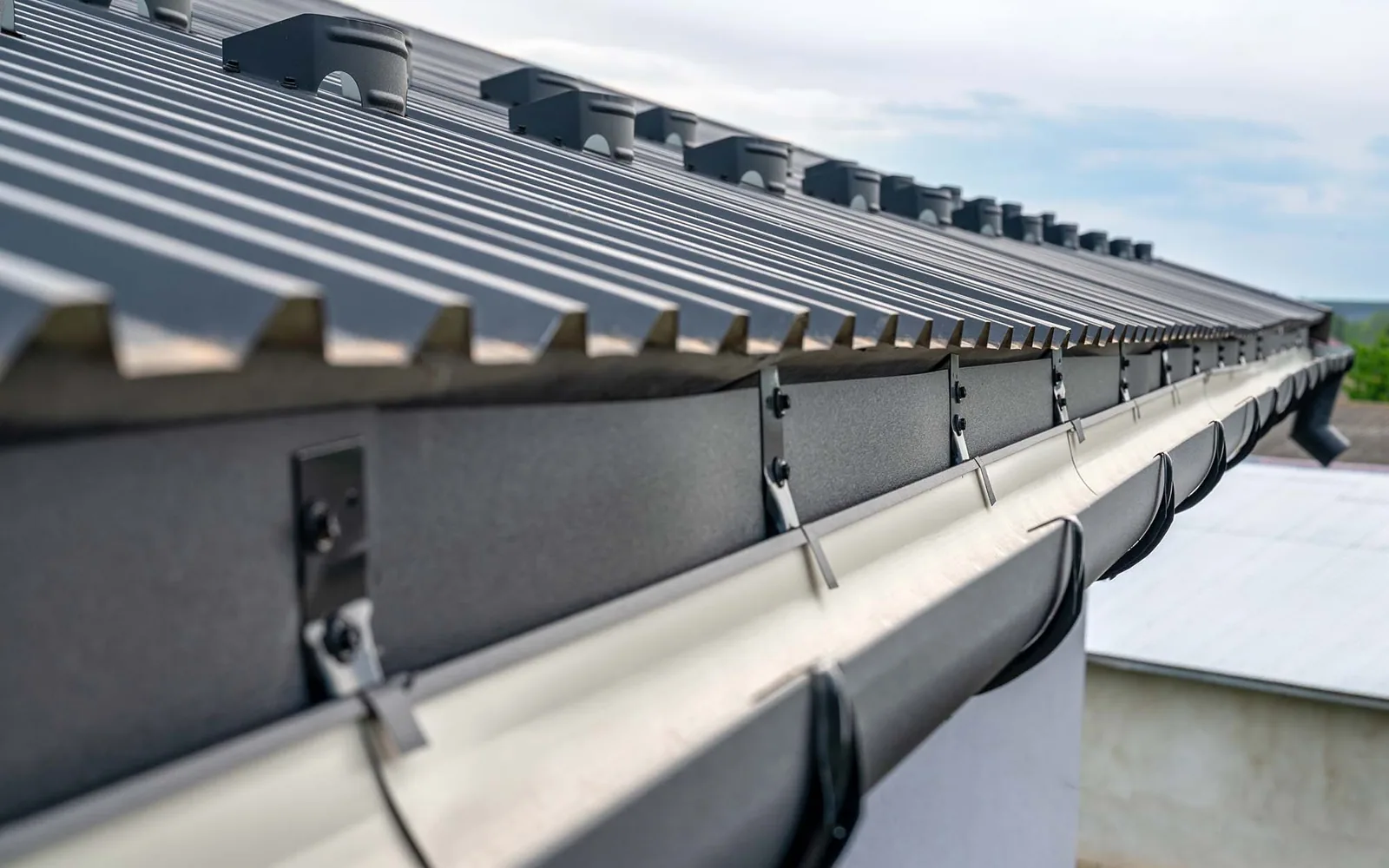
We clear only debris within the approved scope and inspect whether the drain hardware is damaged or poorly seated. A repair may require restoring the membrane around the drain bowl or correcting a loose clamping ring. For a scupper, we look for a clear throat, sound flashing, and an unobstructed discharge path. Any plumbing-line issue belongs with the appropriate trade.
Roof slope changes can be hard to see from one viewpoint. We compare water marks across a wider field and note whether the low point spans one bay or multiple sections. If water returns after a drain is cleared, the surface profile or outlet elevation may need further review. We do not use a surface patch to disguise a slope problem.
Moisture below the membrane changes the repair decision. If a sample is approved, the report identifies its location and material condition. Dry insulation at one point does not prove the adjacent area is dry. The recommendation reflects the locations tested and any areas blocked by equipment or unsafe access.
Related work may include drain and scupper repair, commercial roof inspection, or insulation and cover-board correction. A surface review may also consider heat and UV wear or wind-related displacement where evidence points to those conditions.
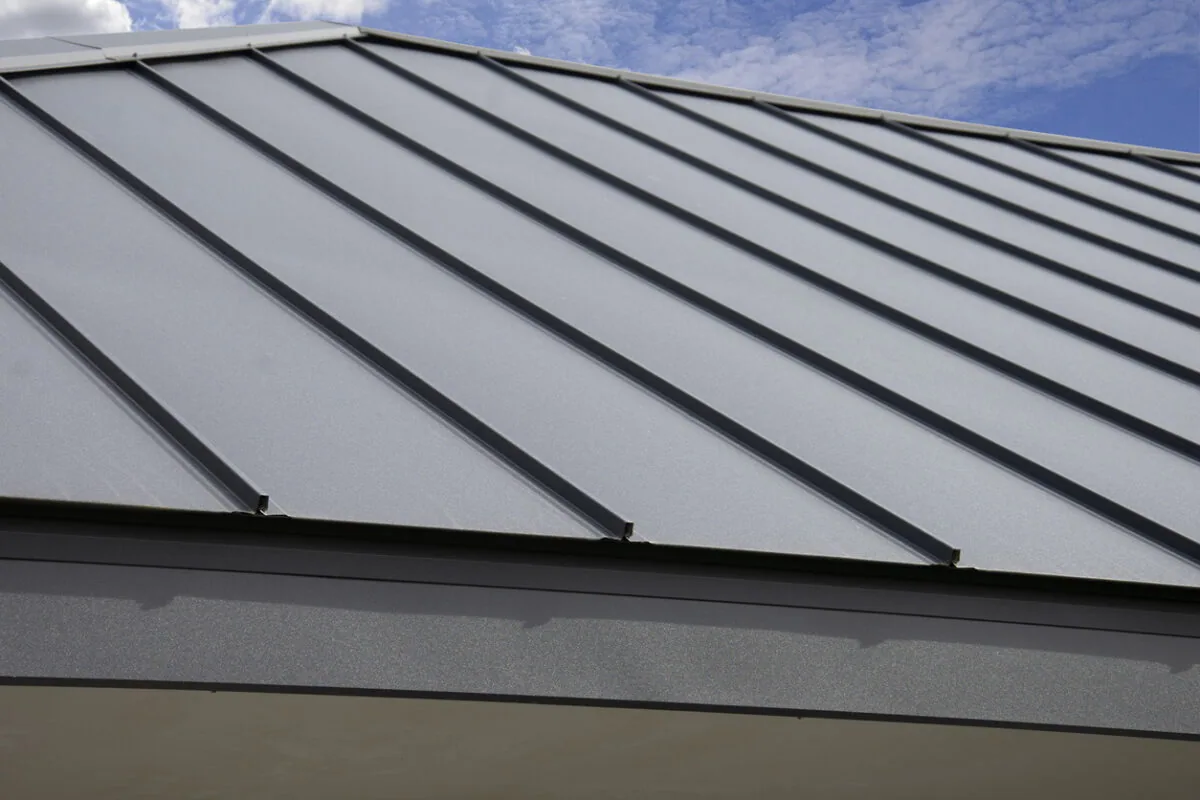
Match the Repair to the Source
If debris blocks a drain, maintenance may restore flow, but inspect the bowl and membrane connection before closing the ticket. A separated drain flashing needs repair around the opening. A low area caused by deck movement may require design review or a project that changes slope. The scope should name which issue was confirmed and which remains untested.
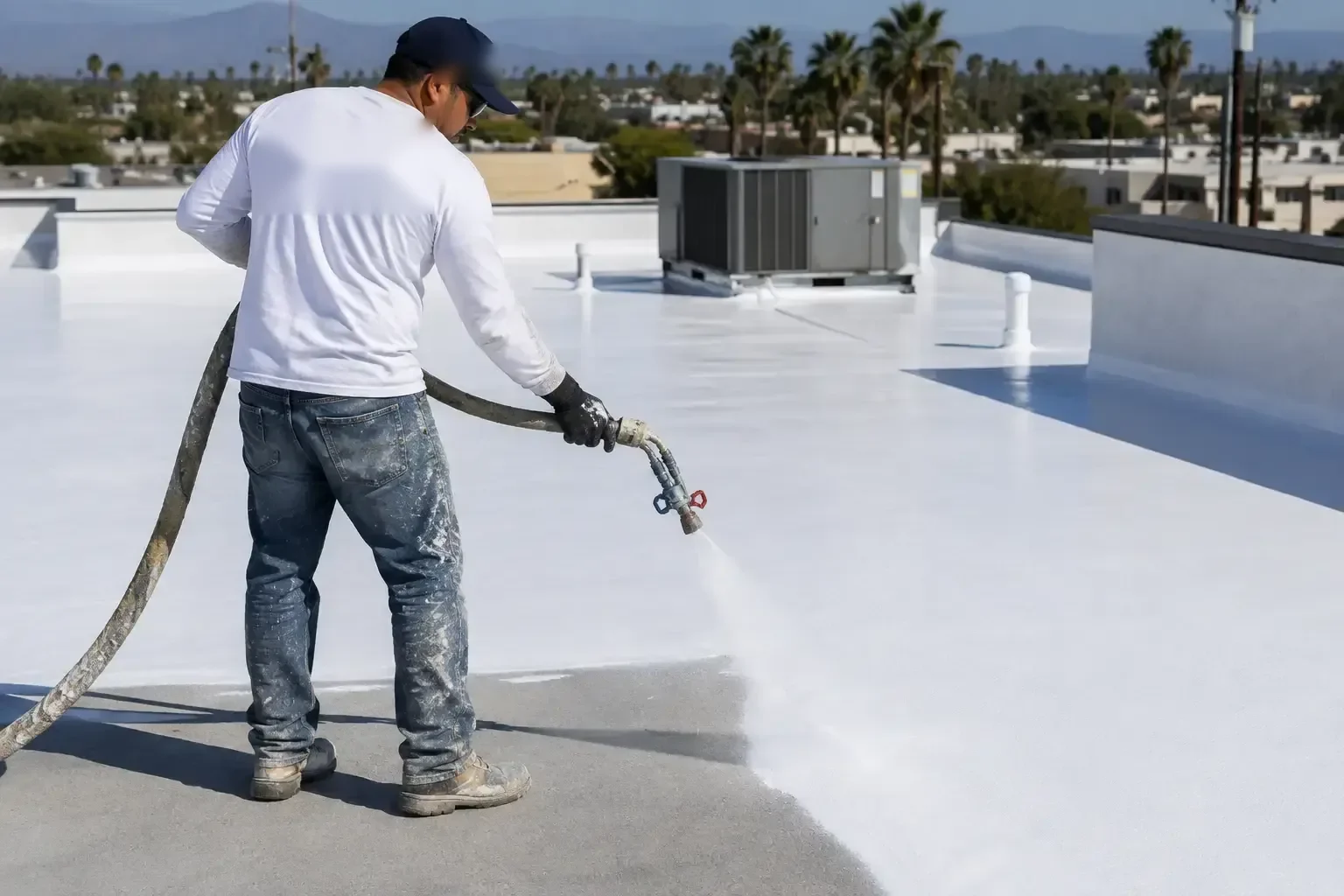
Adding tapered insulation can improve drainage when the assembly and edge conditions support it. The plan must account for door thresholds, equipment curbs, drains, and roof height. A recover or coating does not correct an underlying depression by itself. We describe the finished slope intent and how the new material connects to existing drains.
Estimate and timing depend on the roof system, size and depth of the low area, drain count, access, interior protection, and whether insulation or deck work is needed. A repair can be phased to keep a building dry while the owner reviews a larger correction. Concealed conditions are documented before adding quantities.
Emergency response is available around the clock, including holidays, when ponding has led to active water entry. The property contact directs access and protects the room below. Temporary measures do not substitute for finding the drainage source.
Track Drainage After the Next Rain
Closeout marks the low area, drain or scupper detail, work performed, and material used. It records whether the outlet was clear at the time of service and identifies any slope or deck question left open. Approved photos show the water line or completed repair. If weather has not tested the correction, the record says so.
Keep roof plans with drain locations, service tickets, unit layouts, and prior leak reports. During a later roof walk, compare the same field marks after rainfall. If standing water shifts or remains in a different shape, note the change before adding material.
Round Rock access routes include I-35, US 79, SH 45, and SH 130. Those roads help schedule crew movement between sites, while the roof inspection remains address-specific. A facility manager should identify the gate and roof access contact for each property.
Regular drain checks help identify debris before it hides the outlet. A maintenance record can list the date, roof section, visible obstruction, and action taken. If the same low spot recurs, the property team has a sequence of observations rather than one isolated photograph. Note who completed the check and whether debris returned.
Standing water is a symptom to investigate, not a repair specification by itself. Map the ponding area and observe nearby drains, scuppers, slopes, deflection, and any changes caused by equipment or past repairs. Confirm how long water remains after rainfall if that information is available. A repair may involve clearing an obstruction, correcting a detail, or evaluating the roof assembly; adding material without understanding the cause can shift water elsewhere. Document the drainage path and any structural question for the appropriate professional.
Photograph the area again after the next suitable rainfall when practical.
When practical, photograph the area again after a suitable rainfall and compare how quickly it drains.
Questions About Ponding Water Roof Repair
Does every roof puddle need a repair?
No. We check its location, depth, duration, drainage path, and nearby roof details. The inspection determines whether it is a maintenance issue or a larger condition.
Can a blocked drain cause a roof leak?
It can contribute to water exposure, but a leak still needs a confirmed entry point. We inspect the drain bowl and surrounding membrane before describing the cause.
Can you fix a low area by adding coating?
Coating may protect a suitable assembly, but it does not raise a depression or correct a deck issue. The drainage condition has to be addressed separately.
What if water sits near rooftop equipment?
We check whether the curb or support changes the flow and inspect its flashing. Facility mechanical staff confirm any condensate or equipment issue.
How can staff tell whether the drainage repair worked?
Return to the marked low point after rain and compare the water outline with the closeout plan. Note weather and any remaining standing water.
Related Roofing Work
Pflugerville
La Frontera
Commercial Roof Drains and Scuppers
Commercial Roof Inspection

Commercial Roof Insulation and Cover Board