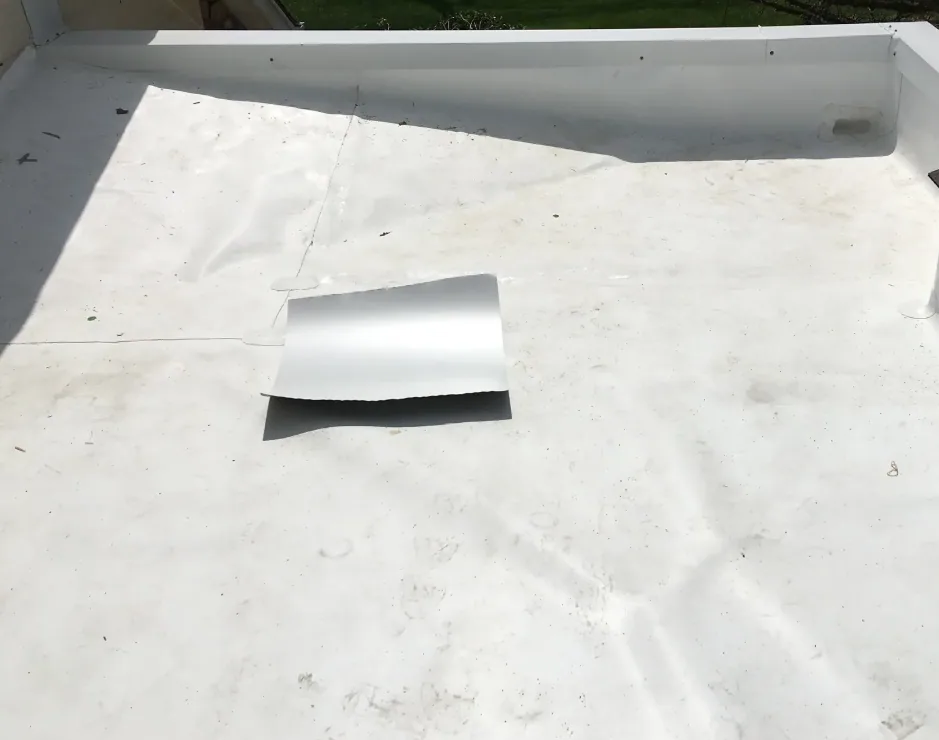
Inspect Heat-Stressed Roof Details
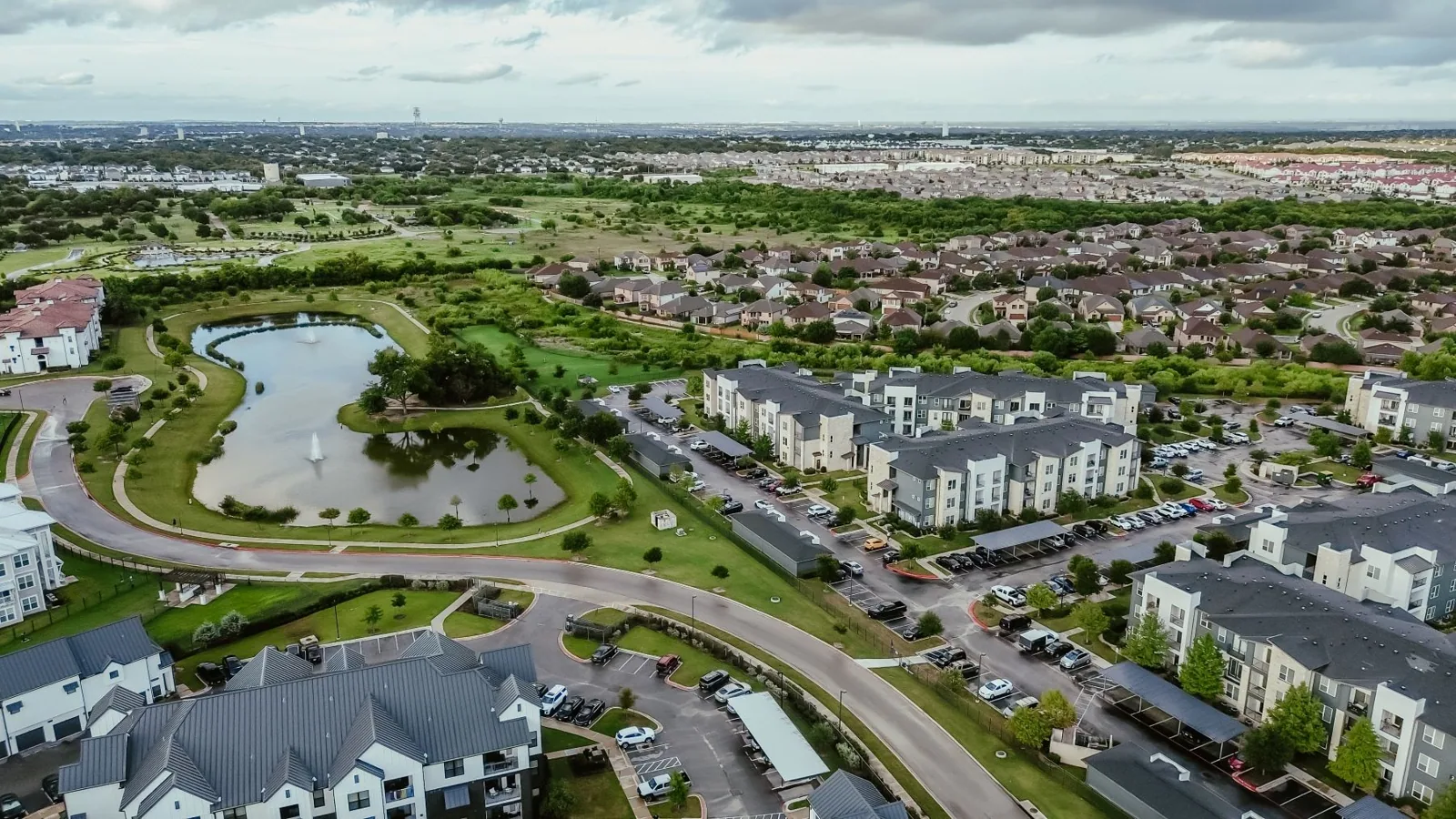
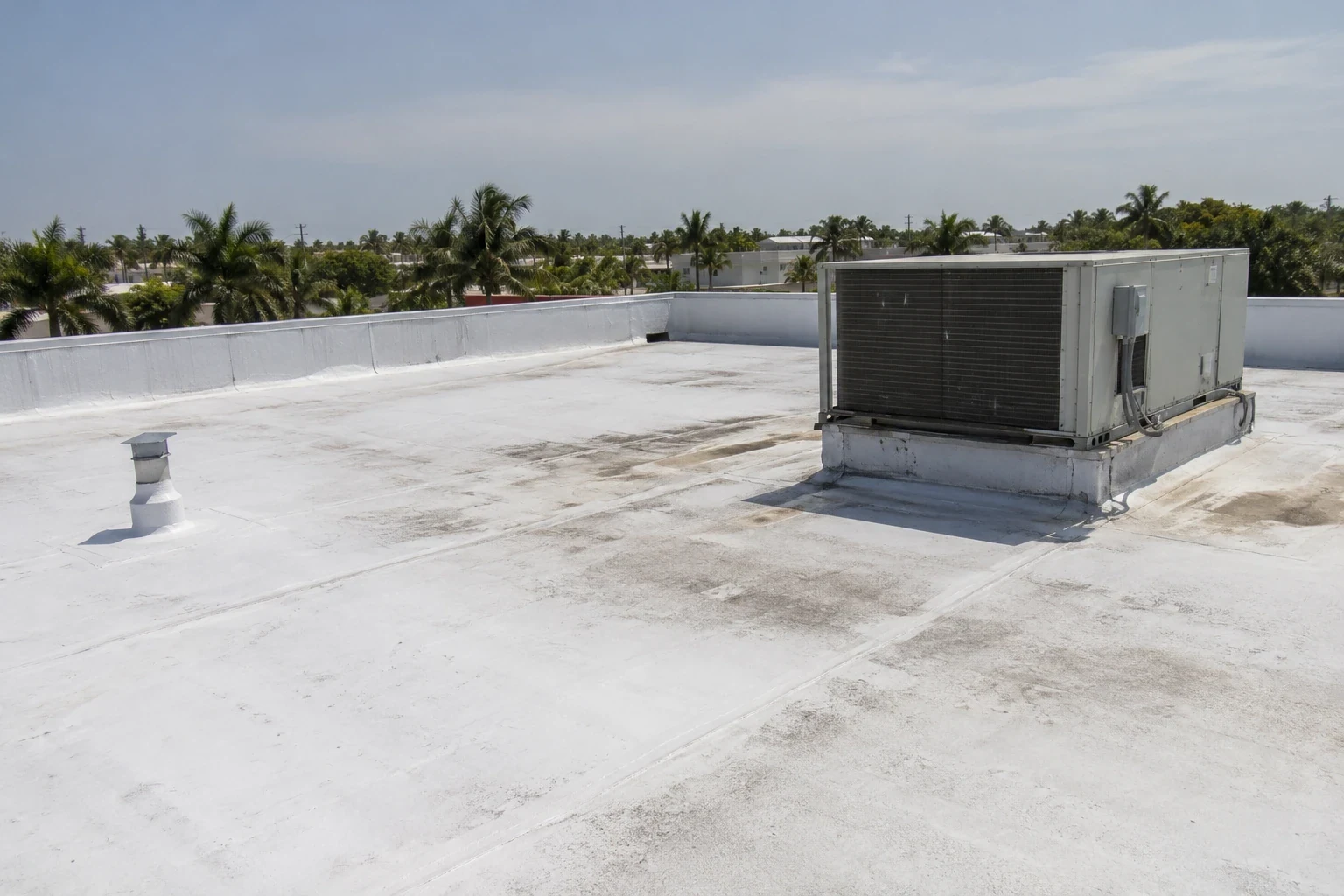
A coating has faded beside a rooftop unit, but color change alone does not show whether the membrane has lost function. We inspect the surface, seams, and flashing at the affected roof zone. The NWS climate table for nearby Austin Camp Mabry lists 97.8°F as the 1991 to 2020 August average high, a regional heat benchmark for Round Rock. Round Rock is north of that station and shares the central Texas seasonal setting. Commercial properties in Pflugerville include different roof uses and equipment layouts.
Heat and ultraviolet exposure can dry sealants, stress membrane details, and change surface coatings over time. We look for a functional defect, not just a weathered appearance.
Send the roof plan, system if known, marked surface changes, equipment schedule, and access contact. We will identify the affected area and repair options. Call 555-555-5555 or request a roof assessment.
Check Surface Change Against the Assembly
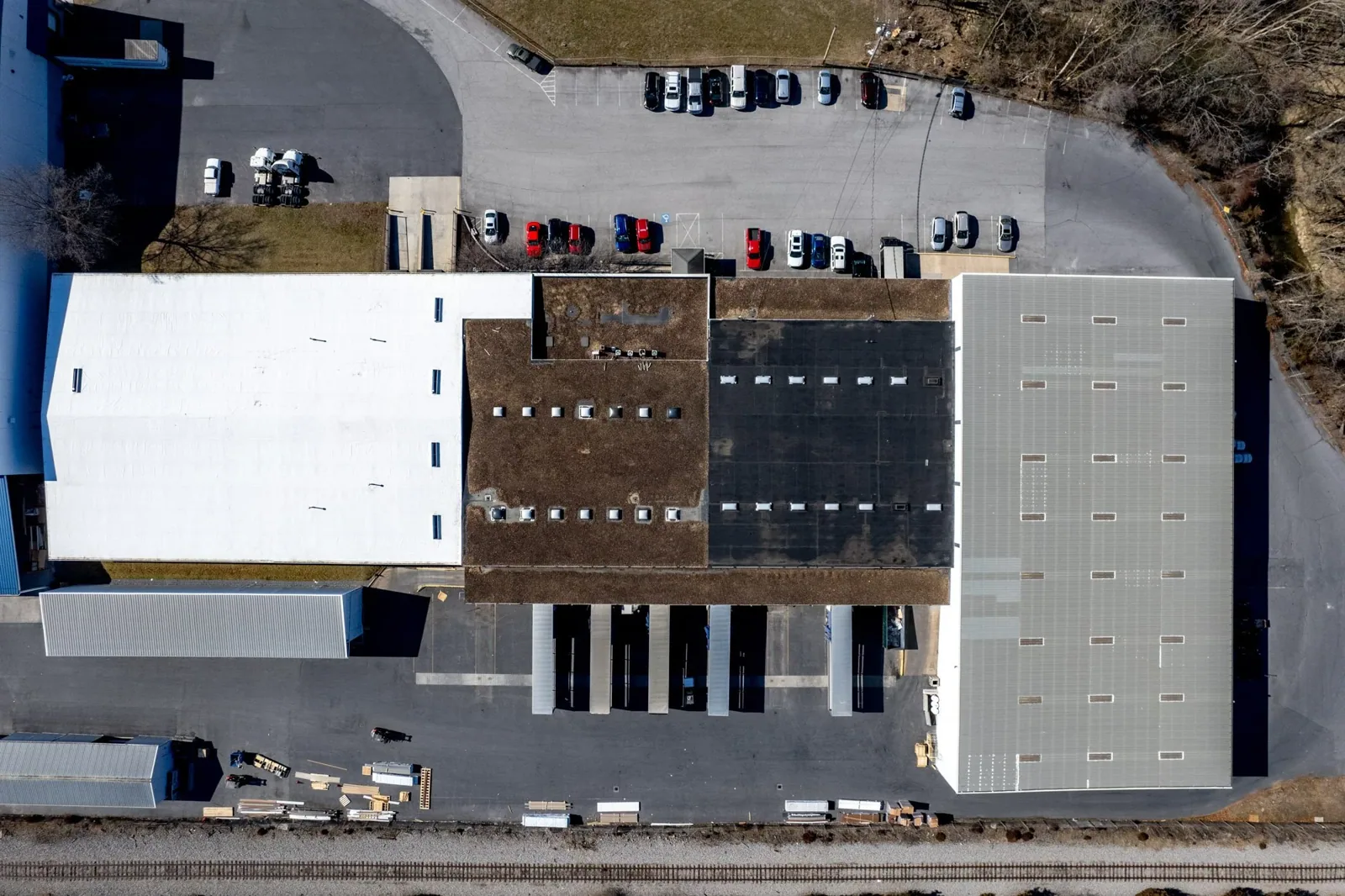
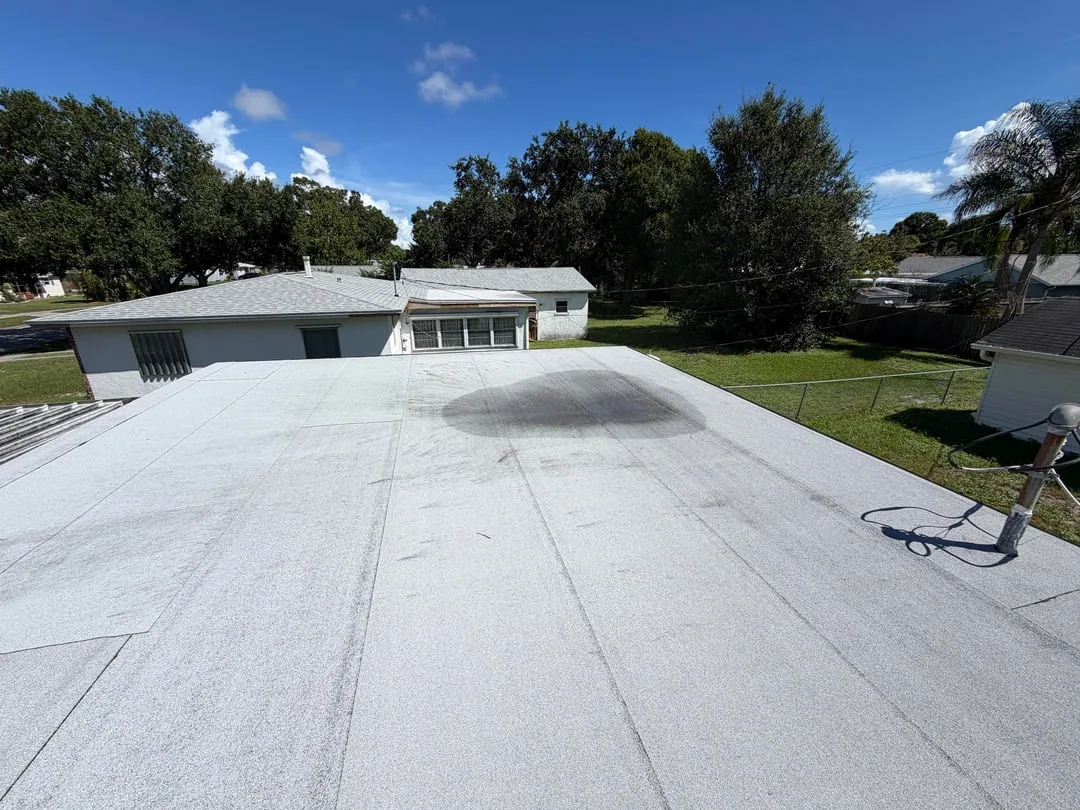
We inspect areas with cracking, chalking, blistering, exposed reinforcement, or brittle sealant. The finding is compared with seams, penetrations, drain bowls, and previous repairs. A surface mark without an opening may be monitored, while a crack that reaches the membrane can need repair. The report names the material and location.
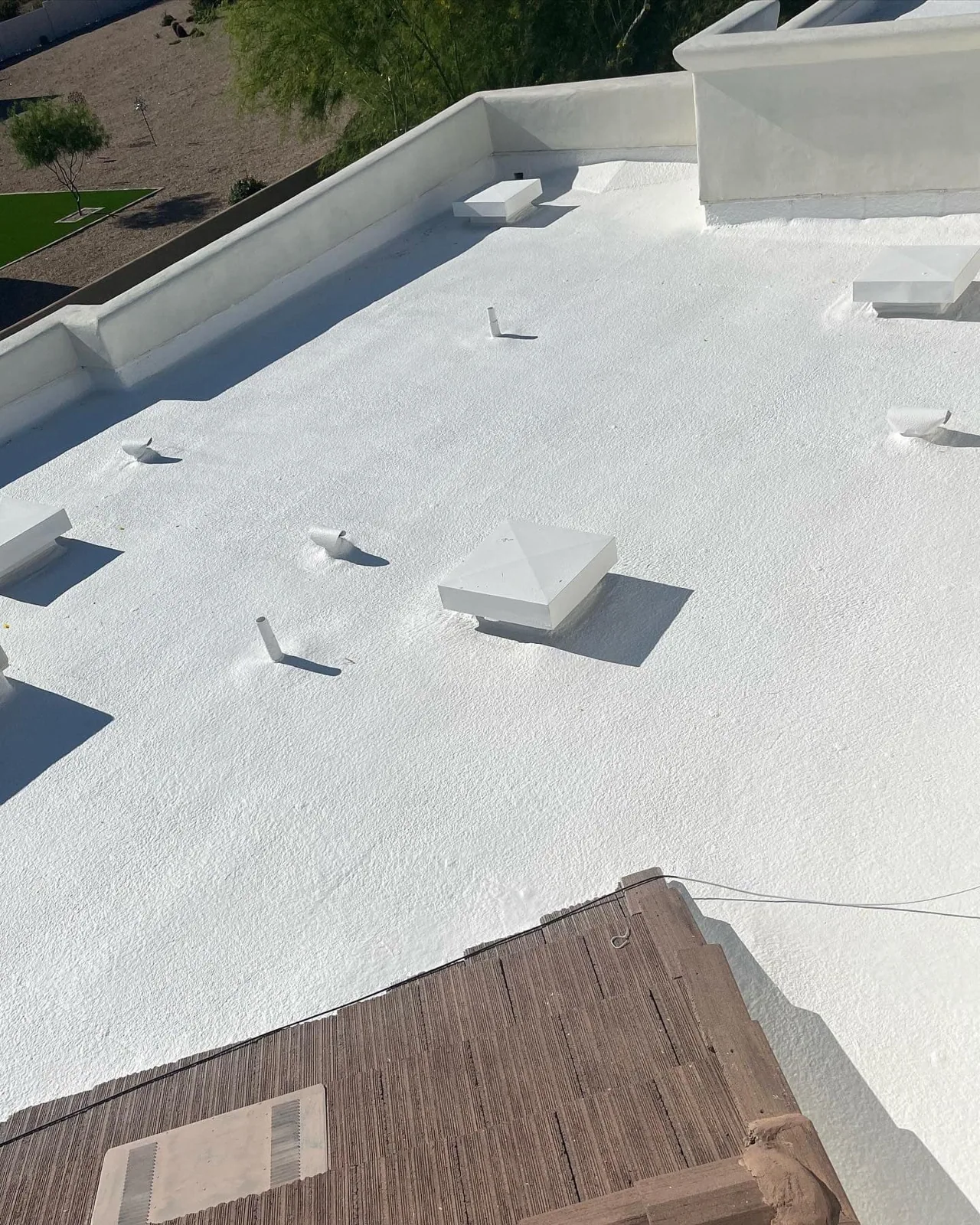
Different systems respond differently to sunlight and heat. A coating can lose reflectivity or develop surface cracks. A thermoplastic membrane may show movement at seams or details. Metal panels expand and contract, which can stress fasteners and laps. The repair method follows the installed assembly rather than a one-size coating treatment.
Rooftop equipment can create a hotter local zone or shade part of the membrane. We inspect curb flashing, equipment supports, and drains around the unit. Mechanical teams provide the operating history and control any shutdown. A condensate line or hot exhaust can affect the surface, but the roofer checks for the associated physical condition before attributing a failure.
Sun-exposed roof zones can age differently from sections shaded by screens or equipment. We compare coating wear, sealant condition, seam movement, and drainage around both areas, then set a repair boundary from observed differences.
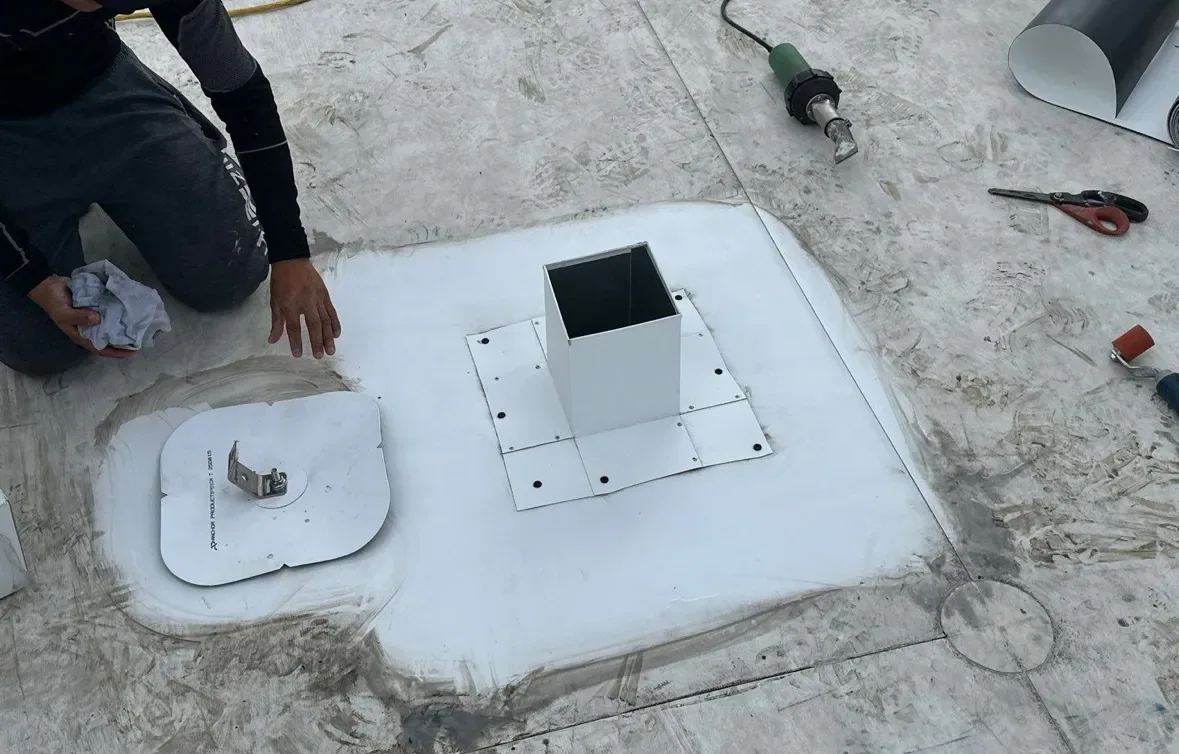
Look at exposed transitions as well as the open field. Sealant around a pipe may shrink while the surrounding membrane remains serviceable. A coating can be worn near a maintenance route and intact under a shaded screen. Mark these conditions separately. That lets the owner repair the vulnerable detail without extending a surface treatment over unaffected sections.
When a roof has more than one system, identify each area before ordering material. A patch product compatible with one membrane may not bond to another coating or metal. We verify the substrate and repair method in the field and list any area where the assembly could not be confirmed.
Restore the Surface Without Hiding Moisture
A localized crack or failed seal can be repaired if the surrounding membrane remains sound. If surface deterioration covers a larger area, the owner may consider a coating after checking adhesion, moisture, and drainage. The proposal describes preparation, reinforcement, thickness, and the details included. A coating should not cover wet insulation or an unresolved leak path.
Where material has become brittle or separated, replacement of the affected section may be more suitable. The work boundary should include the transition into material that can accept the repair. If a test cut is approved, it gives information about one sample point. We mark it and close the opening using the agreed detail.
Cost and timing depend on roof system, affected area, surface preparation, access, equipment, weather, and whether insulation must be opened. Heat can limit the time for working with some materials, and the crew may plan early shifts. The owner receives the proposed sequence and any conditions that could change the scope.
Related scopes include roof coating restoration, commercial roof inspection, and preventive roof maintenance. A broader silicone coating system may be considered when the substrate qualifies. Compare heat-related surface wear with hail impact or wind movement only when those signs are present.
Schedule Work for Surface and Weather Conditions
The property contact identifies roof access, equipment schedules, and any interior rooms needing protection. A hot roof surface can affect material handling and worker safety. We check the conditions before applying a repair and follow product instructions for temperature and cure. If rain or heat makes the surface unsuitable, temporary protection may be used and permanent work rescheduled.
For occupied buildings, coordinate staging and notices with tenant hours. Roof work can affect HVAC availability or require a temporary path around equipment. The facility arranges any mechanical change. A daily plan identifies the open section, material deliveries, and close-in point before work starts.
Emergency service is available at any hour, including holidays, when a heat-stressed seam or flashing allows water entry. Staff direct the crew to the affected room and approved access route. We record any temporary measure and define the permanent repair separately.
Morning mobilization can be routed across the city's interstate and state-highway connections. The property contact sets gate hours and roof access for the specific work area. A material delivery schedule should account for the receiving point and safe staging area.
Use Maintenance Notes to Spot Change
Closeout lists the roof system, surface condition, repair material, detail restored, and any area left for monitoring. Approved photos can show the same field mark before and after repair. If weather has not tested the work, the record says so. A later roof walk can check whether the crack or separation has changed.
Keep the report with maintenance dates, equipment service records, coating data, and roof plans. When a rooftop unit or exhaust is replaced, inspect nearby membrane and flashing before closing the mechanical work order. Track whether surface changes remain stable or move toward an opening.
A seasonal roof review can note surface temperature conditions, shade patterns, debris, drain flow, and sealant changes. A single hot period should not be treated as a failure diagnosis. Repeated observations at the same marked location help decide whether repair can remain small or needs a broader scope.
A maintenance log should record roof orientation, shade or equipment cover, surface condition, and inspection date. Compare the same field mark on later visits, then note whether a crack or coating loss has changed the repair boundary.
Heat and ultraviolet exposure can accelerate surface aging, but appearance alone does not establish whether a roof has failed. Examine coating thickness, membrane flexibility, exposed reinforcement, brittle sealants, and details that receive concentrated sun. Compare those observations with drainage and maintenance history. A repair or restoration plan should identify preparation and compatibility needs, along with any areas where moisture testing is appropriate. The owner then has a basis for deciding between targeted maintenance and broader replacement planning.
Questions About Heat and UV Roof Damage Repair
Does faded coating mean the roof is failing?
Not by itself. We check adhesion, cracks, moisture, and the details below the surface before recommending a coating or replacement.
Can heat crack a roof membrane?
Heat can contribute to aging and movement, but the roof system and field evidence determine whether a repair is needed.
What does a regional climate reference tell us about one roof?
It describes seasonal heat in the area. The roof walk records conditions at the property, including coating loss, brittle sealant, open laps, and surface stress, before we recommend a repair.
Should coating be applied during a hot afternoon?
Material temperature and cure instructions govern timing. We check surface conditions and reschedule if they do not support proper application.
What helps track UV-related wear?
Keep dated roof notes, repair records, coating information, equipment changes, and marked photos for comparison on a later roof walk.
Related Roofing Work
Pflugerville
Commercial Roof Coating and Restoration
Commercial Roof Inspection
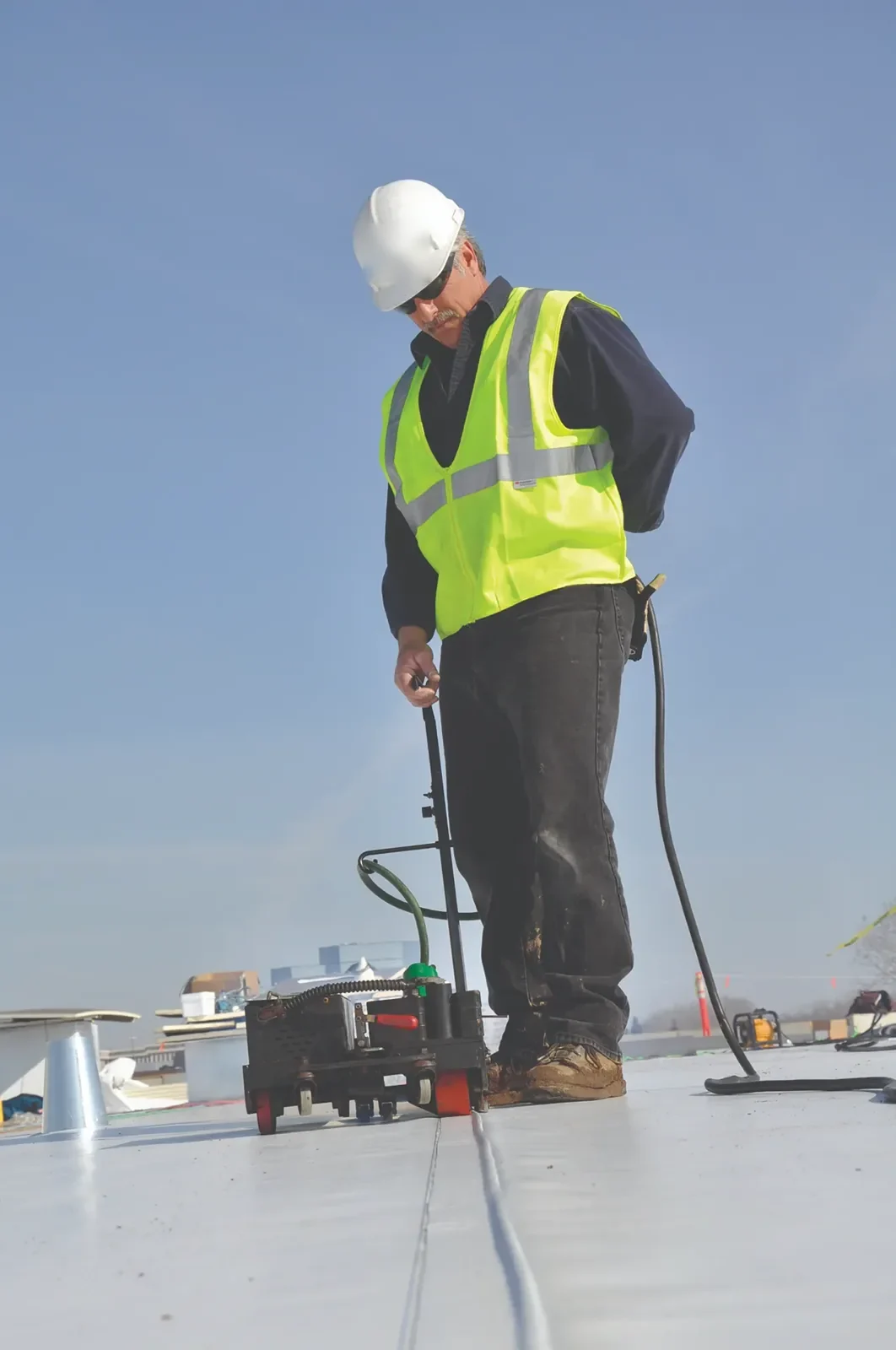
Commercial Roof Maintenance
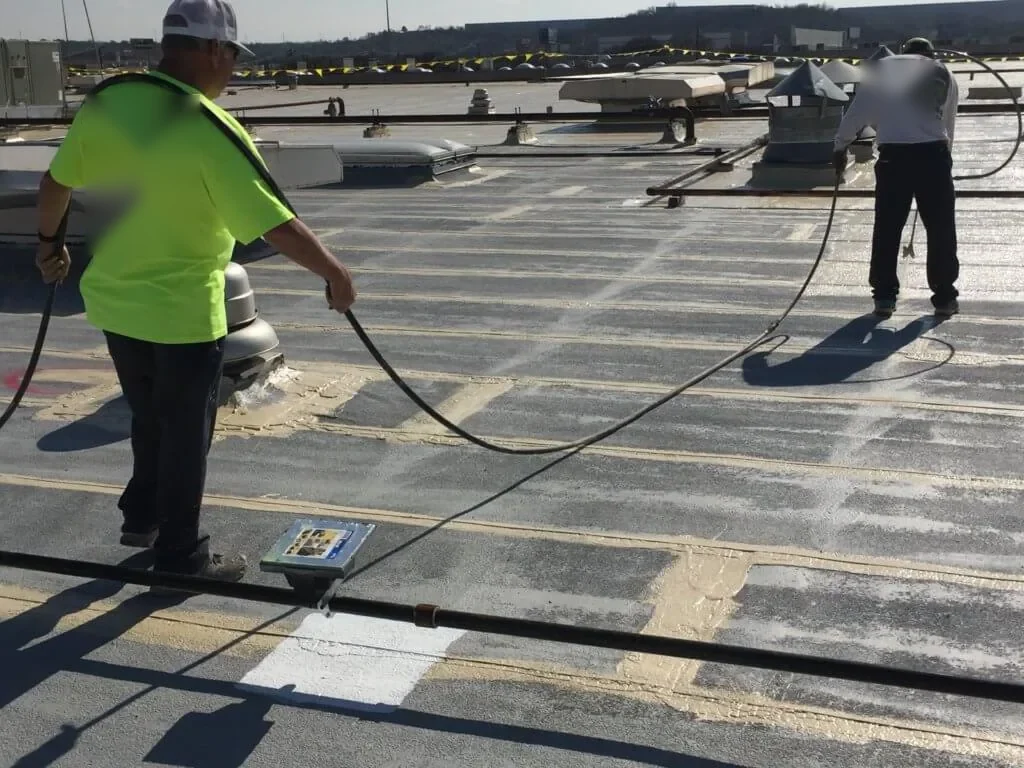
Commercial Silicone Roof Coatings