Arrange a Bell Boulevard Roof Inspection
A retail roof can leak at a curb while the interior stain appears several bays away. Along Cedar Park’s Bell Boulevard corridor, the first useful step is to identify the building, roof zone, and access route before choosing a repair. The Bell Planning Area spans a broad commercial and retail corridor along US 183, with institutional and industrial properties as well. The scope still follows the roof that can be inspected.
The corridor extends between Park Street and Cypress Creek Road. A property in the Cedar Park commercial service area or the nearby Bell District has its own roof layout, operating hours, and contact for access.
Send the property address, reported room, roof access details, and any available plans or service records. We will define the inspected zone and explain what repair or follow-up the roof evidence supports. Call 555-555-5555 or request a roof assessment.
Start with the roof zone and the water path
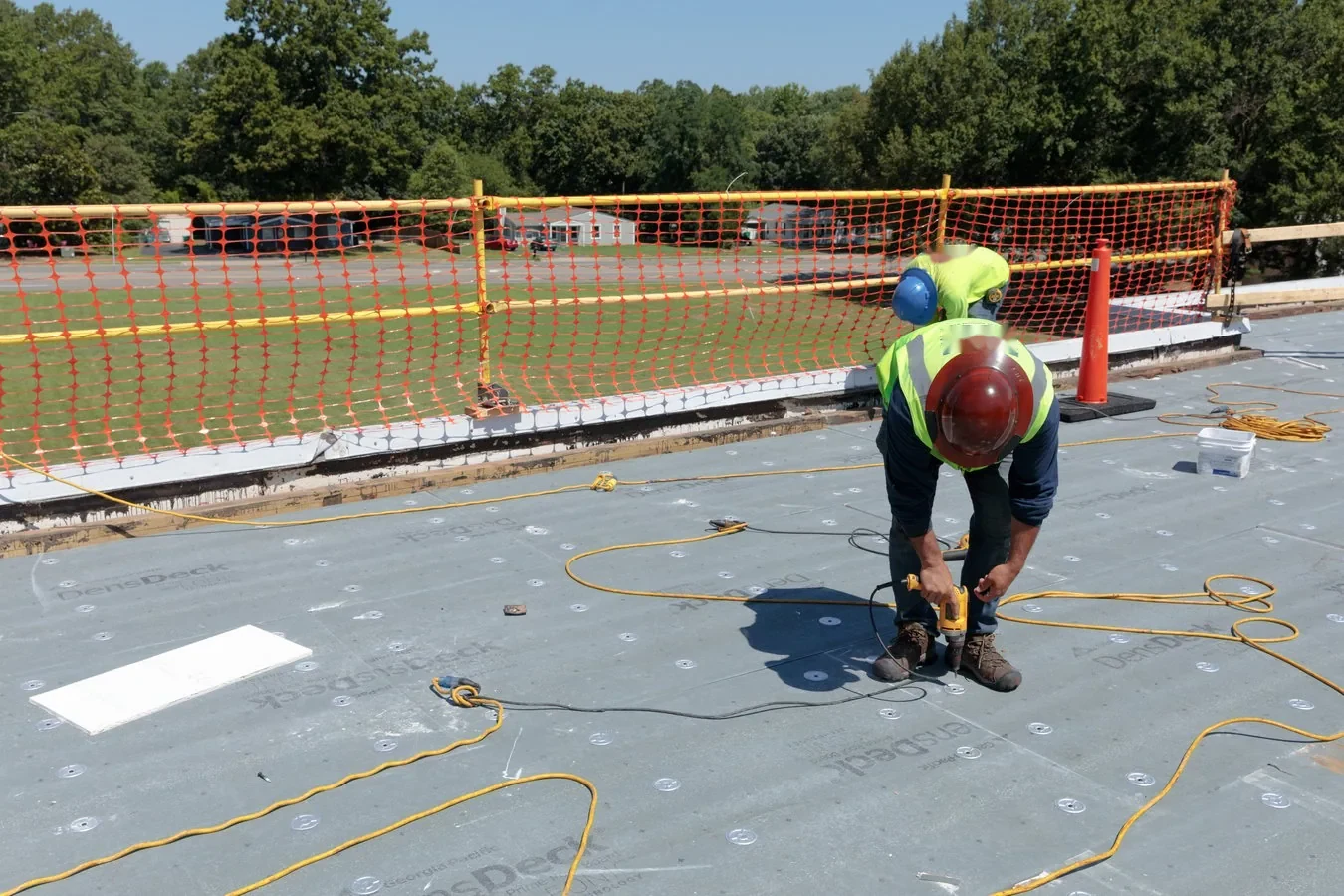
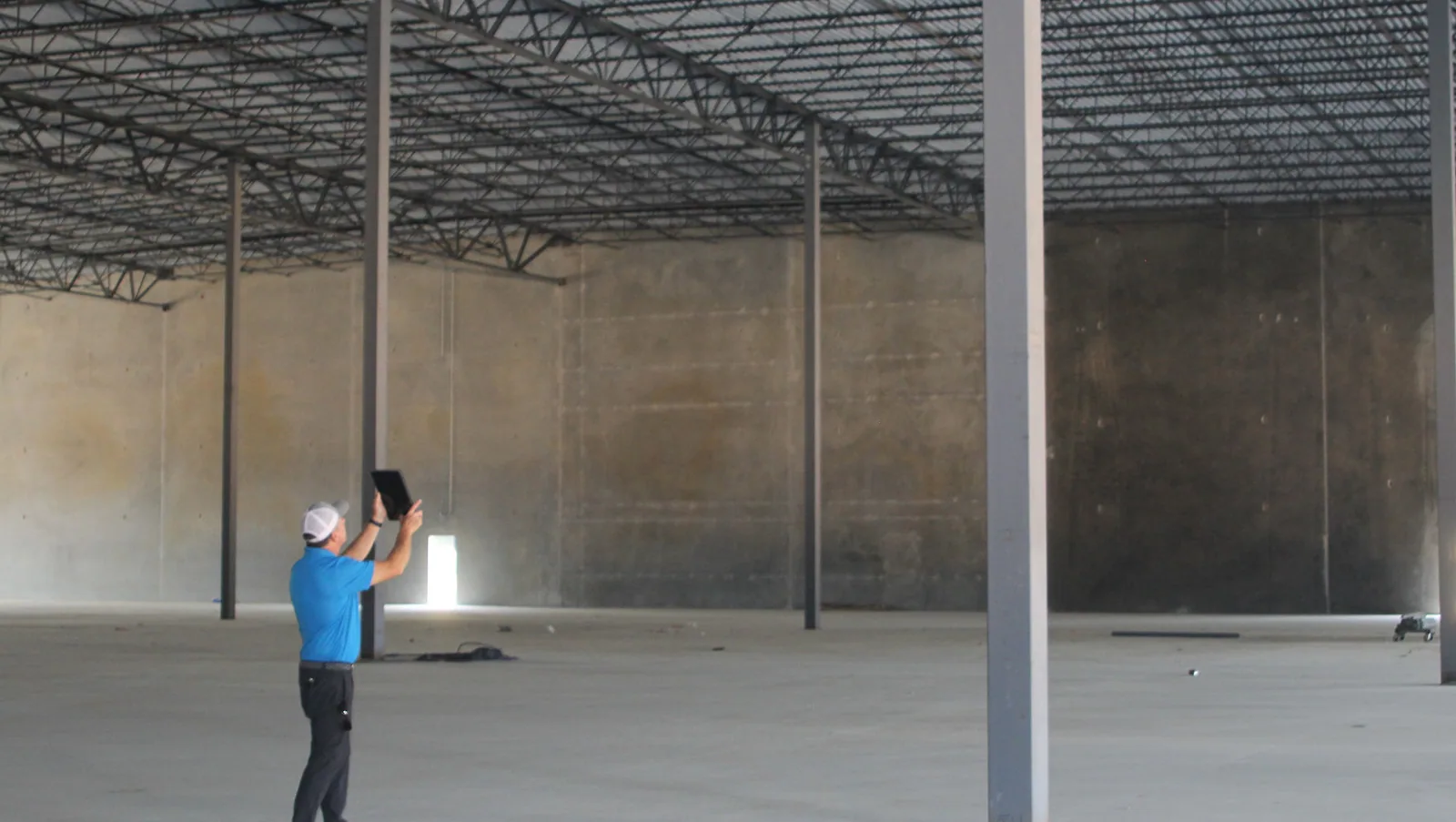
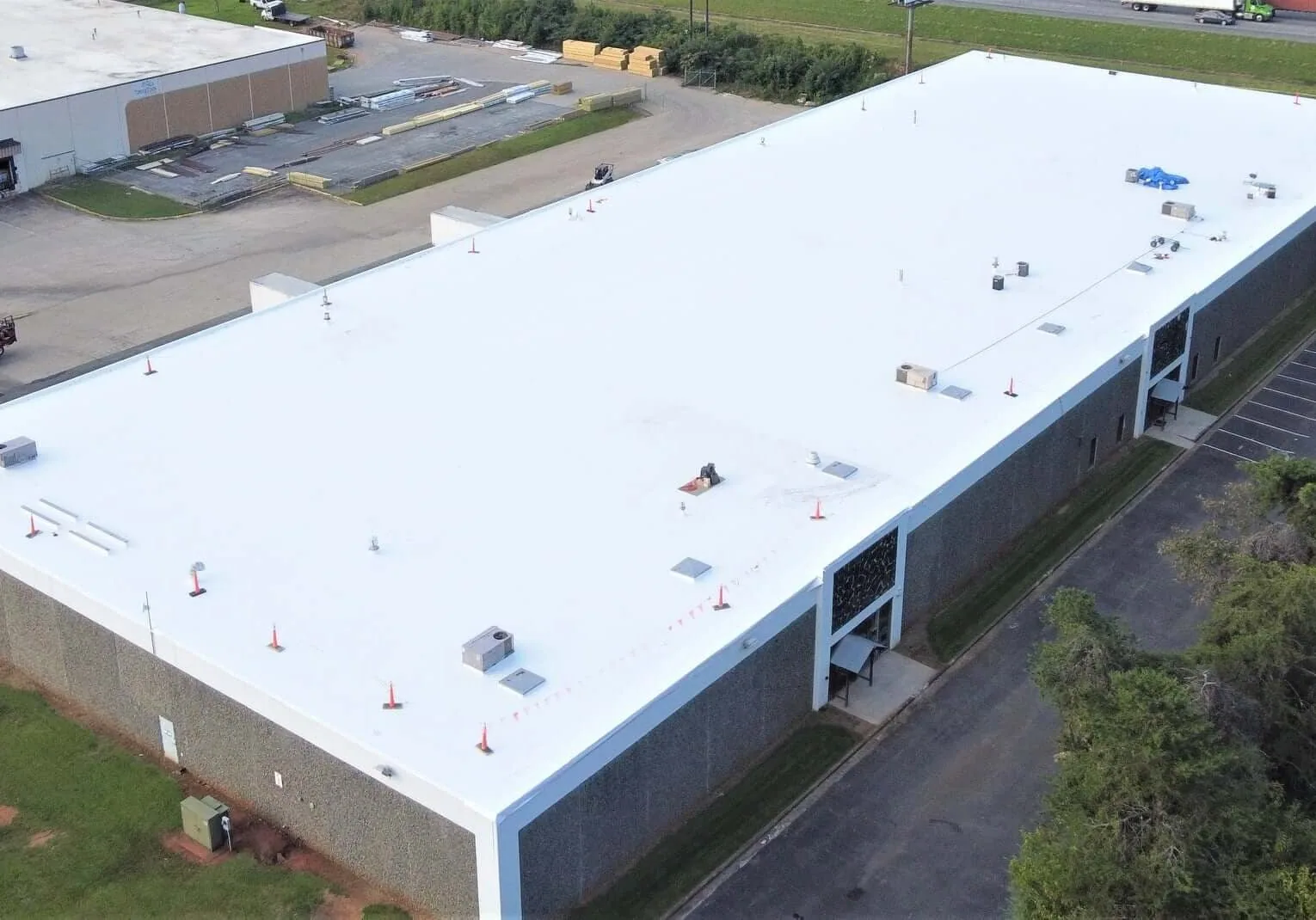
Record the reported room, the time moisture appeared, and whether the condition changed after rain or equipment service. On the roof, check the membrane, seams, curb flashing, wall transitions, edge metal, and drains around the likely path. Water can move beneath a roof layer or along the deck before reaching a ceiling, so the nearest detail is only a starting point. A commercial roof inspection ties photos and field marks to the area actually reached.
Bell Boulevard runs north to south through Cedar Park’s commercial corridor, and a planned roadway realignment may affect which approach a property uses. Confirm the approved driveway or service entrance with the property contact before arriving. The work order should name the building, the approved route, the roof access point, and any tenant or delivery window that affects the visit.
If drawings show a different roof assembly from the exposed surface, record that mismatch. A test cut may identify layers or wet insulation at one selected point; it does not establish conditions across the entire roof. If a leak report concerns several suites, compare each interior location against drains, penetrations, and roof transitions before combining them under one repair boundary.
Plan around active commercial properties
The Bell Planning Area includes established commercial and retail uses as well as institutional and industrial properties. Roof work can therefore involve storefront access, loading activity, offices, or a facility that needs a controlled route. Before staging materials, confirm which entrance stays open, where a lift can stand, and which fire lanes or service drives must remain clear. The property contact sets those limits; a public road or corridor plan does not substitute for permission at the building.
For an occupied property, divide work into roof zones with a clear start point and a weather-tight close-in limit. A crew should open only the section it can protect before leaving. If tear-off exposes wet insulation or a damaged deck, stop at the agreed boundary, photograph the finding, measure the affected area, and ask the owner to approve any added work. A phased reroofing sequence can keep tenant routes and interior protection tied to the active zone.
The planned Bell Boulevard realignment uses former Old Highway 183 right-of-way between Buttercup Creek Boulevard and Park Street, with connected development beside Buttercup Creek Natural Area. Redevelopment and existing commercial buildings may have different access conditions, so confirm whether roofing work overlaps with another contractor, a delivery, or an occupied suite. Assign responsibility for any new curb or penetration before equipment is set. The roof closeout should show who completed the flashing and who accepted the finished detail.
Match the repair to the assembly
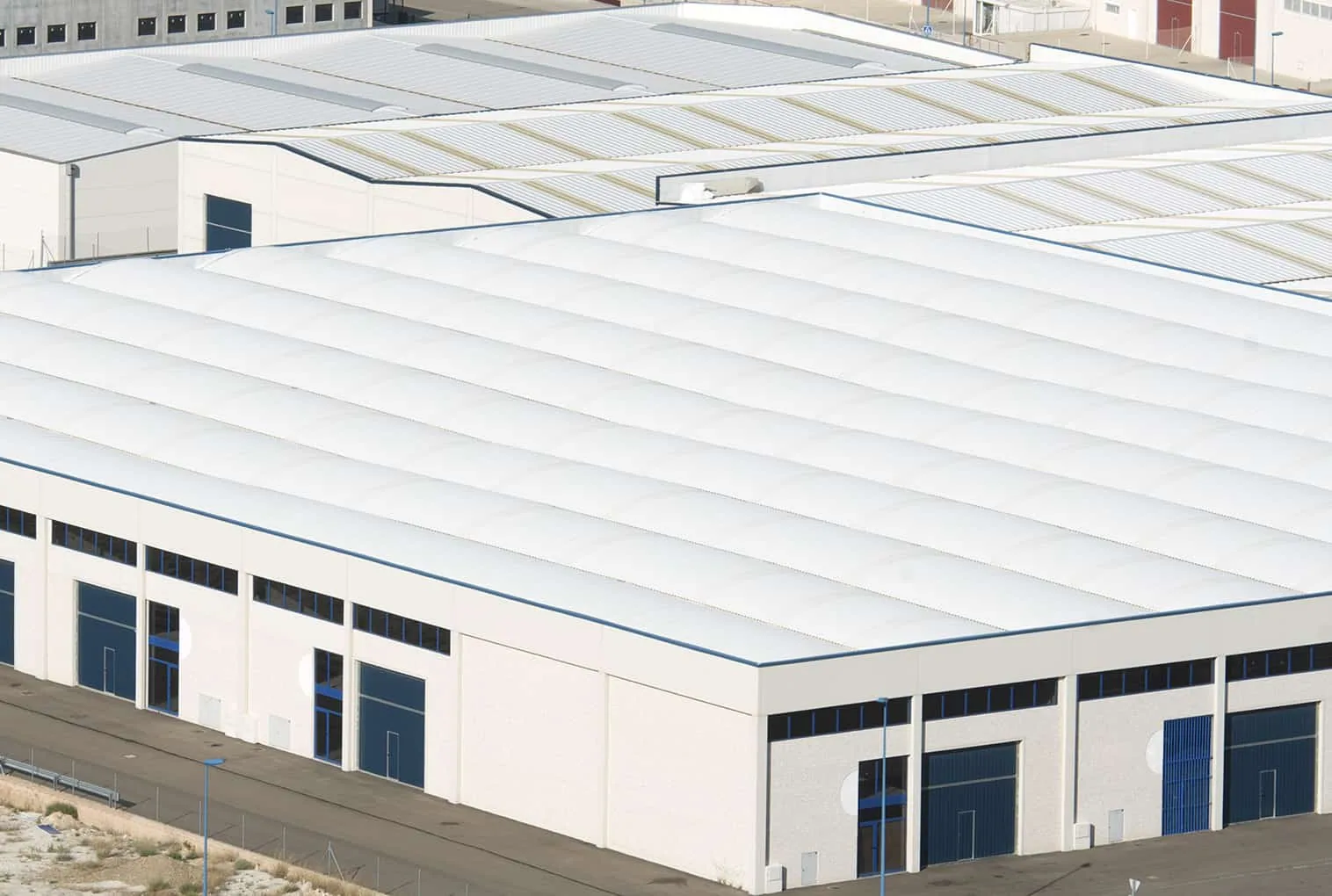
A focused repair may suit an isolated split, open lap, or failed curb detail when adjacent membrane and insulation remain sound. Repeated leaks, loose attachment, broad wet areas, or deteriorated deck can justify more testing or a larger scope. The estimate should name the confirmed defect, the included roof zones, and any condition that could change after an approved opening. A wind-damage assessment records visible changes at the property rather than assuming a regional event caused them.
Coating or recovery depends on the existing surface, moisture condition, adhesion, drainage, layer count, and the details that would remain below the new system. A coating cannot rebuild failed flashing or correct trapped moisture. Replacement allows the assembly to be opened, but the work plan must account for tear-off, disposal, new insulation, edge details, and a dependable daily dry-in. A replacement scope should separate the base work from concealed-condition allowances so the owner can review each decision.
Drainage can set the practical repair boundary. Inspect drain bowls, overflow paths, scuppers, and low areas before choosing a new surface or adding layers. If a new assembly changes height, confirm that drains, doors, curbs, and perimeter transitions still work together. A drainage repair can be scoped alongside membrane work when the outlet or surrounding detail needs correction.
Measure the work and set the sequence
Cost and duration depend on the measured roof area, membrane type, access height, number of penetrations, staging needs, repair density, and the amount of tear-off. For Bell Boulevard properties, tenant hours, loading access, and lift placement can also change how the crew reaches a roof zone. The proposal should identify those assumptions and separate roofing from mechanical, electrical, and interior restoration work.
Weather and material requirements determine how much roof can be opened in one shift. Before work begins, agree on the daily tear-off limit, temporary protection, material route, and who can authorize a scope change if concealed damage appears. Local permit or plan-review questions should be confirmed with the authority responsible for that Cedar Park property. We provide the assembly details and product information needed for that review.
Emergency service is available at any hour, including holidays. The first visit can control active water and document the exposed condition; permanent work follows the inspection and an approved repair boundary. Keep temporary protection listed separately until the permanent detail is installed and checked.
Leave a usable roof record
Closeout should identify the property, roof zone, material installed, detail repaired, and any area not reached. Photos should correspond to marks on the roof plan. State whether rain has tested the repair and list any follow-up inspection or monitoring the owner requested. A roof condition report can preserve the baseline for later maintenance without suggesting that unvisited sections were inspected.
Keep roof plans, prior repair records, equipment changes, warranty documents, and service tickets together. When another trade opens the membrane to move a unit, record who restores the flashing and how the finished work will be reviewed. Consistent zone names help facility staff compare later photos with the original finding.
To arrange an inspection along Bell Boulevard, provide the property address, affected room, roof plan if available, access contact, and delivery or tenant restrictions. We will identify the roof area we can reach, explain what the evidence supports, and set out the next repair or testing decision.
Questions About Bell Boulevard in Cedar Park
Which parts of Cedar Park does this corridor page cover?
The Bell Boulevard planning area runs from Park Street to Cypress Creek Road. Confirm the property address and approved service route before the visit.
Can a ceiling stain be matched directly to the roof opening?
Not always. Water can travel below the membrane or along framing before it becomes visible indoors. We compare the room report with roof details and mark the evidence supporting the likely path.
What changes the cost of a commercial roof repair here?
Measured area, assembly, access, penetrations, staging, operating hours, and concealed conditions all affect scope. The estimate identifies the zones and assumptions included.
Can crews work while a business remains open?
The property contact sets entrances, deliveries, noise limits, and any closed areas. We sequence the roof work so each opened zone has a defined close-in point and interior protection.
What should the closeout show after a leak repair?
Keep the building and roof-zone mark, photos, material, repaired detail, access limits, and any follow-up condition. Note whether rainfall has tested the repair.
Related Roofing Work
East Old Settlers Boulevard
University Boulevard Higher-Education District
Downtown Round Rock
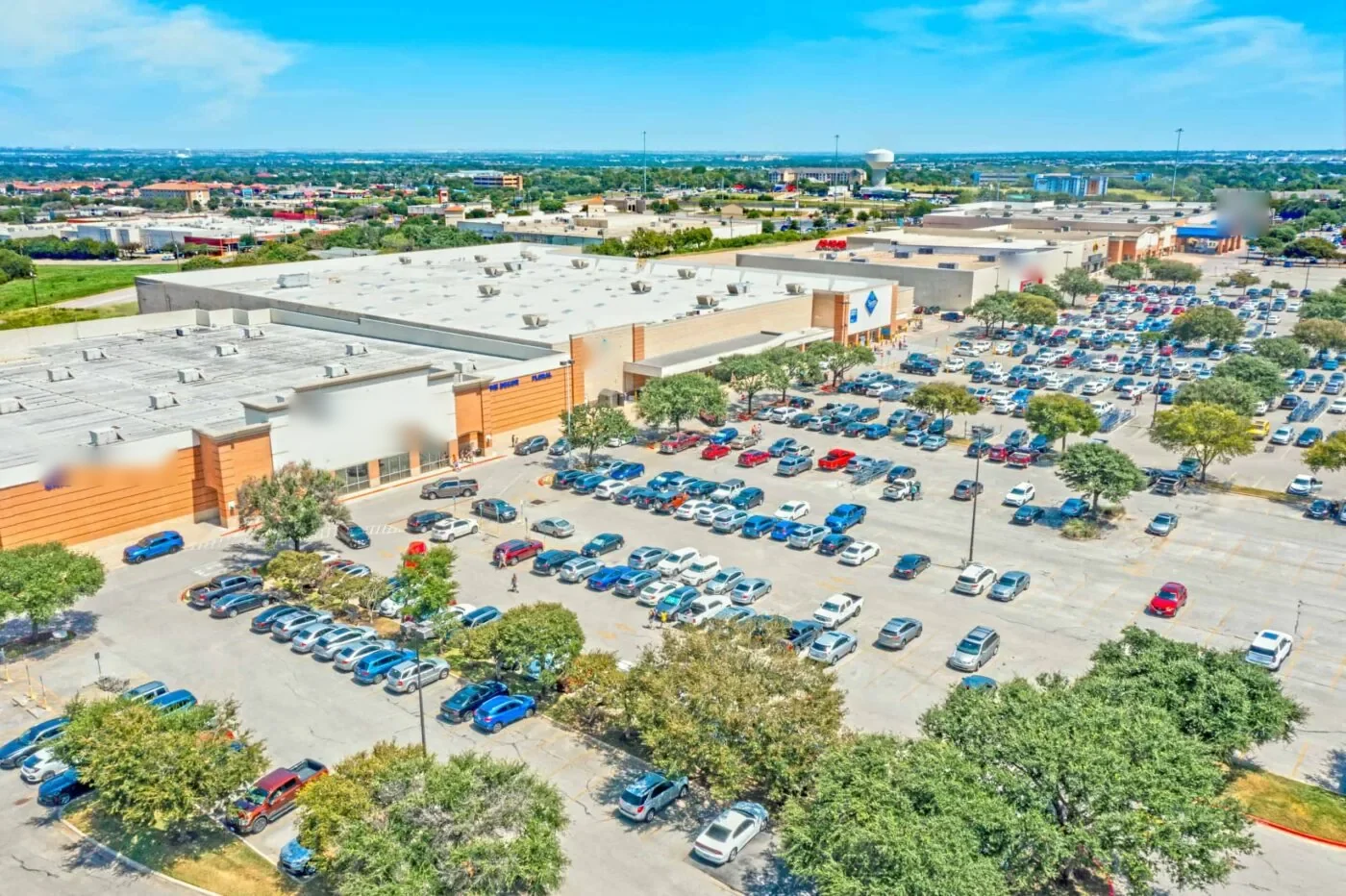
La Frontera
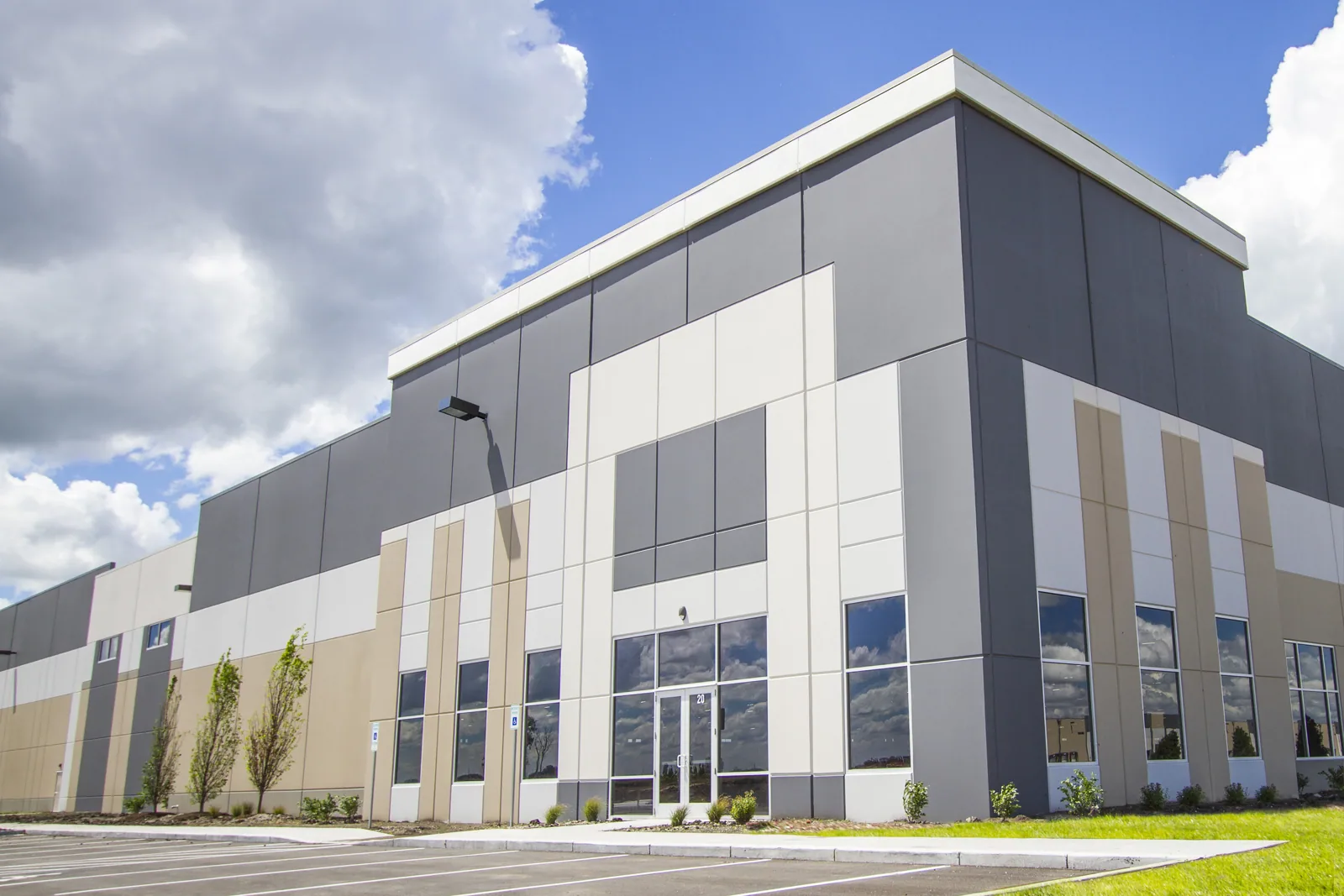
Pecan 130 Business Park