Review a Duro-Last Roof Layout
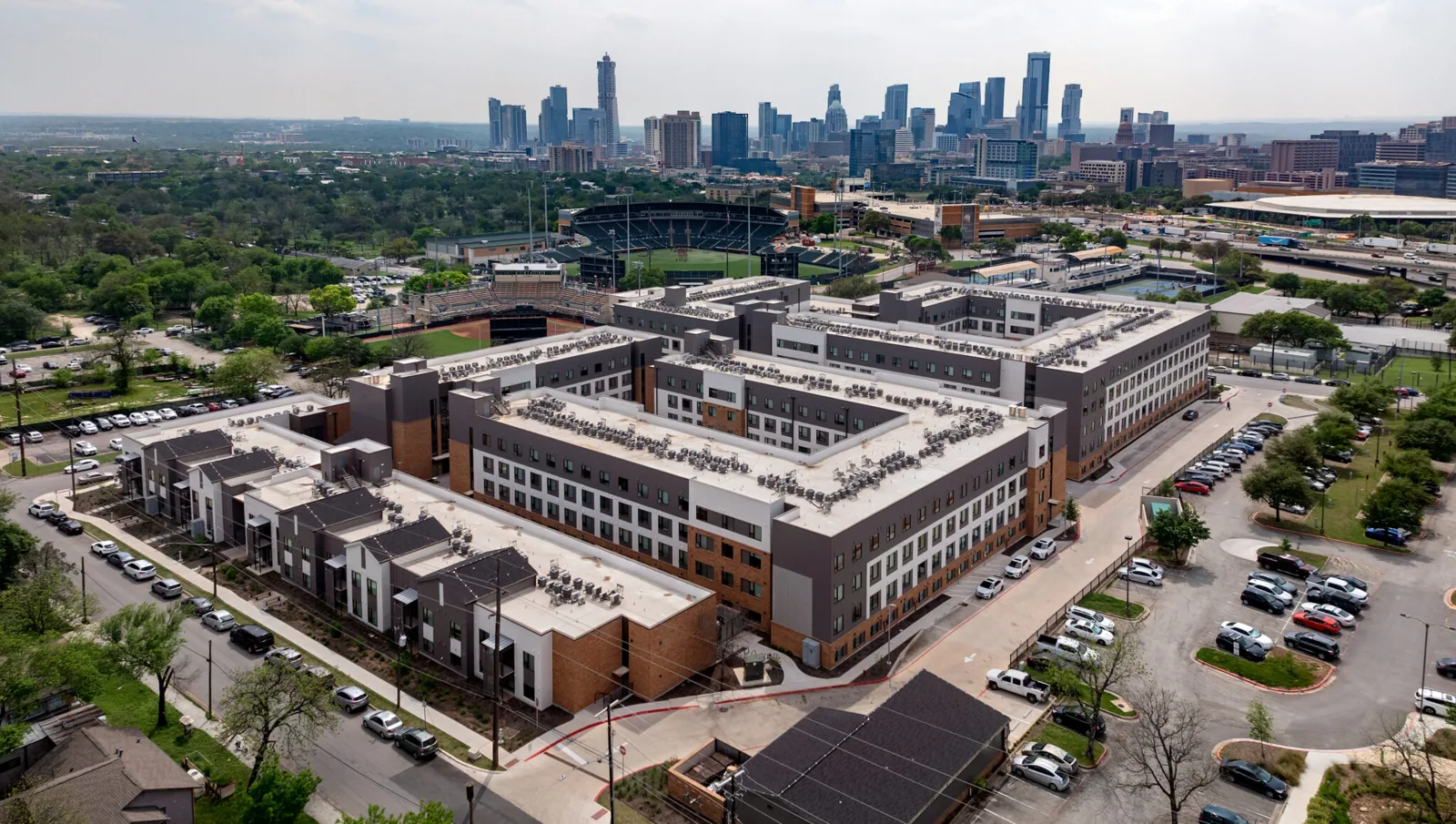
A roof plan with many pipes, curbs, and drains needs careful detail measurements before membrane panels are fabricated. Duro-Last's PVC system uses membrane sheets and accessories custom-fabricated from building dimensions. That preparation can move some detail work off the roof, but field seams and tie-ins still have to fit the actual assembly. We check the dimensions, roof zones, transitions, and later alterations before writing a repair or replacement scope. Round Rock’s higher-education presence includes Austin Community College and Texas State campuses along University Boulevard, where work planning has to match each facility’s current access rules.
A roof inspection should identify what the existing sheet covers, where a field joint remains, and whether rooftop changes have created new penetrations since the original order.
Provide the Round Rock address, roof drawings, leak location, fabrication records, post-installation changes, and site access instructions. We will check the field seams and current details. Call 555-555-5555 or request a roof assessment.
Compare the roof plan with field conditions
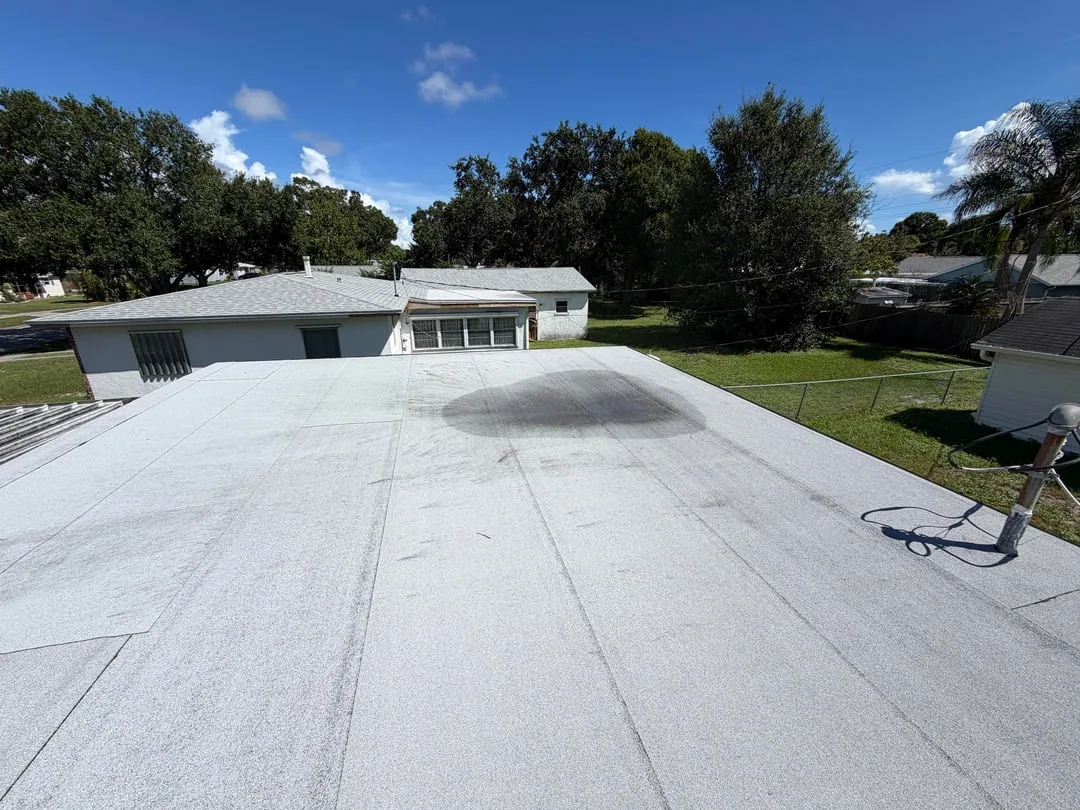
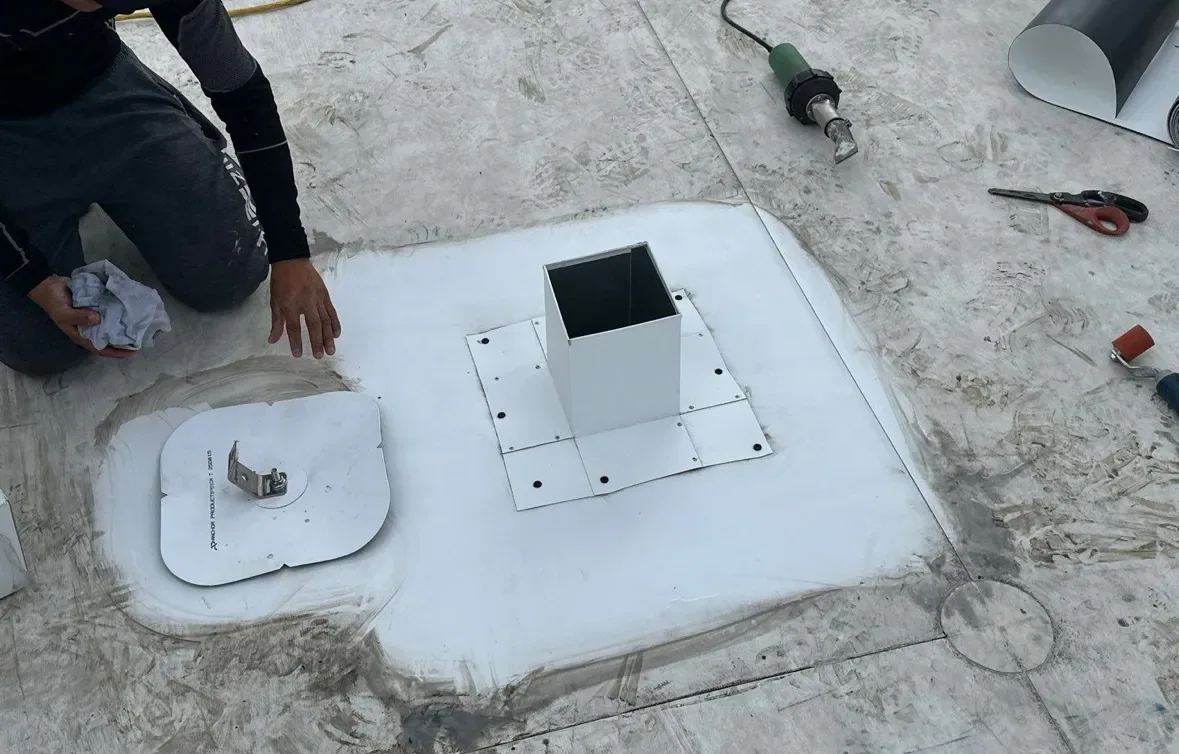
Duro-Last’s commercial system uses PVC membrane and custom-fabricated components. Its fabrication can include field sheets and system details measured for the full roof assembly. A plan or measurement set informs that work, but it is not a substitute for checking the building before installation. We verify parapet runs, drain positions, equipment curbs, pipe clusters, expansion joints, and any wall transitions that can change the panel layout.
Buildings change after a reroof. Mechanical equipment may move, a new conduit may cross the membrane, or a drain can be modified. The closeout package and current roof walk should be compared so that the proposed panel layout reflects what is on site. If a field condition differs from the drawing, we record it and adjust the work plan before material is cut or installed.
The Sika Sarnafil PVC systems and Carlisle product families offer other membrane comparisons when replacement is being considered. Those choices should follow deck, insulation, perimeter, use, and attachment requirements. The owner should compare complete assemblies rather than judging a roll label separately from the details that make the roof continuous.
Inspect seams that still close on the roof
Factory fabrication does not eliminate every field seam. We check the seams between sheets, welded joints at repairs, corners, edge conditions, and points where an installed panel meets a wall or curb. A probe test can reveal a seam edge that is open or not fully fused. We also inspect the underlying support and nearby material; a clean line at the seam does not answer whether the insulation below is wet or whether movement is continuing.
Round Rock’s severe-weather record includes a tornado that crossed the city on March 21, 2022, and hail reports around the region. The event can prompt a roof review, but it does not establish damage on a Duro-Last system. We compare the owner’s date and reported zone with the surface, edges, and details we can observe. For suspected storm impact, we document roof evidence without treating weather history as a condition report.
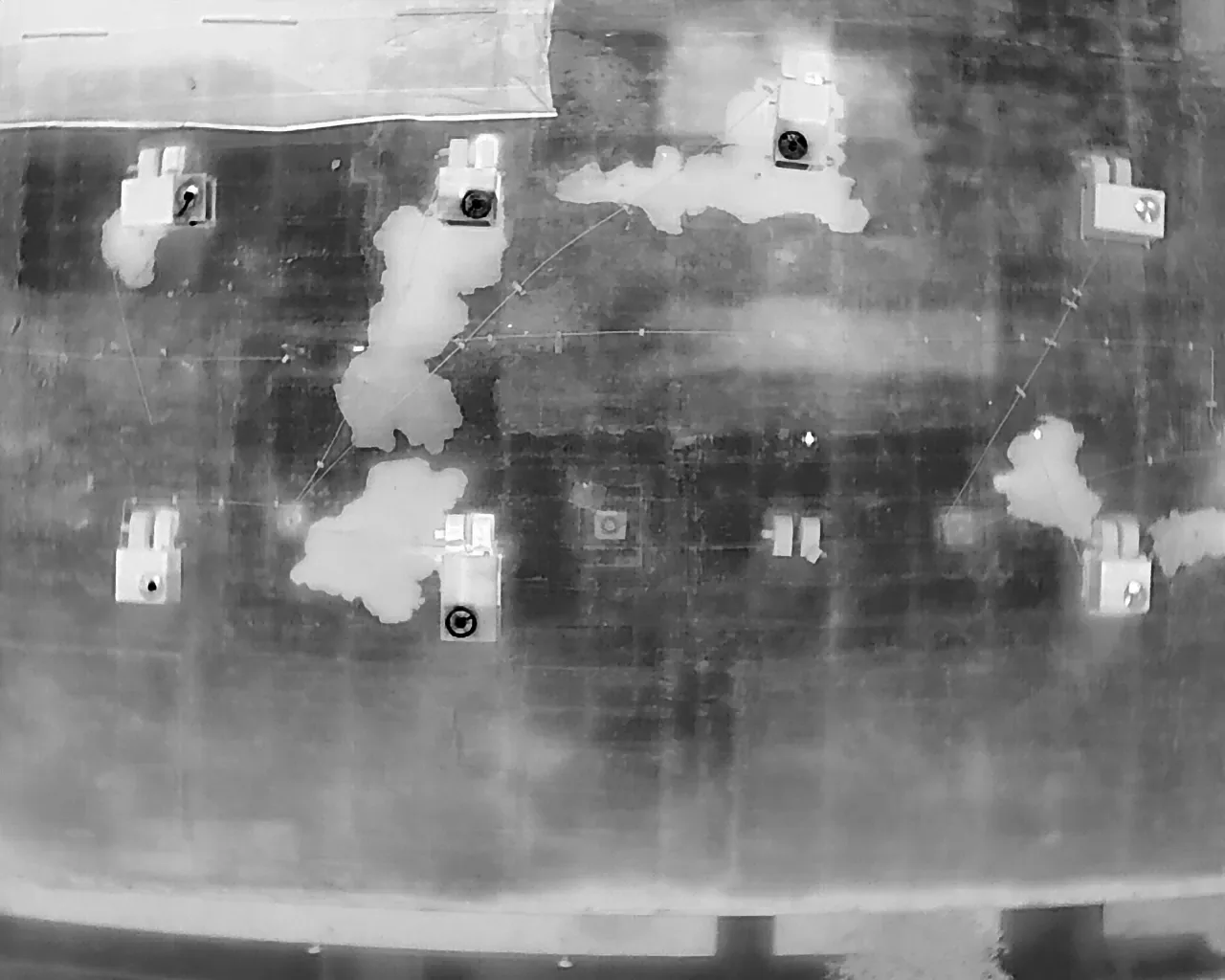
Water may cross a roof plane before appearing inside. We compare the affected room with penetrations, drainage paths, and seam locations. A test cut may be appropriate if concealed insulation affects the scope; the opening shows the sample point, not every square of membrane. An infrared survey can help select test locations when interior symptoms or roof readings vary.
Keep water moving around preformed details
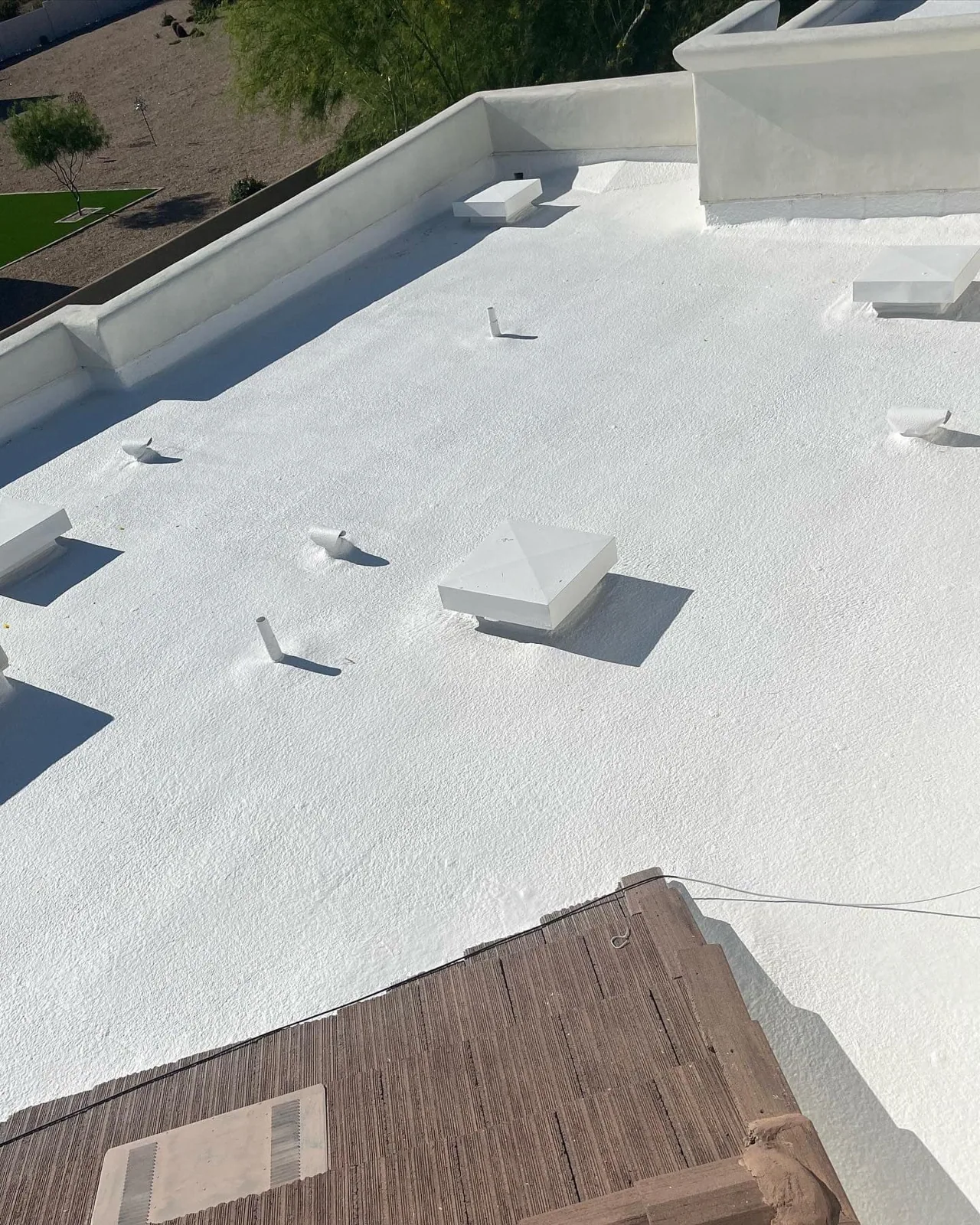
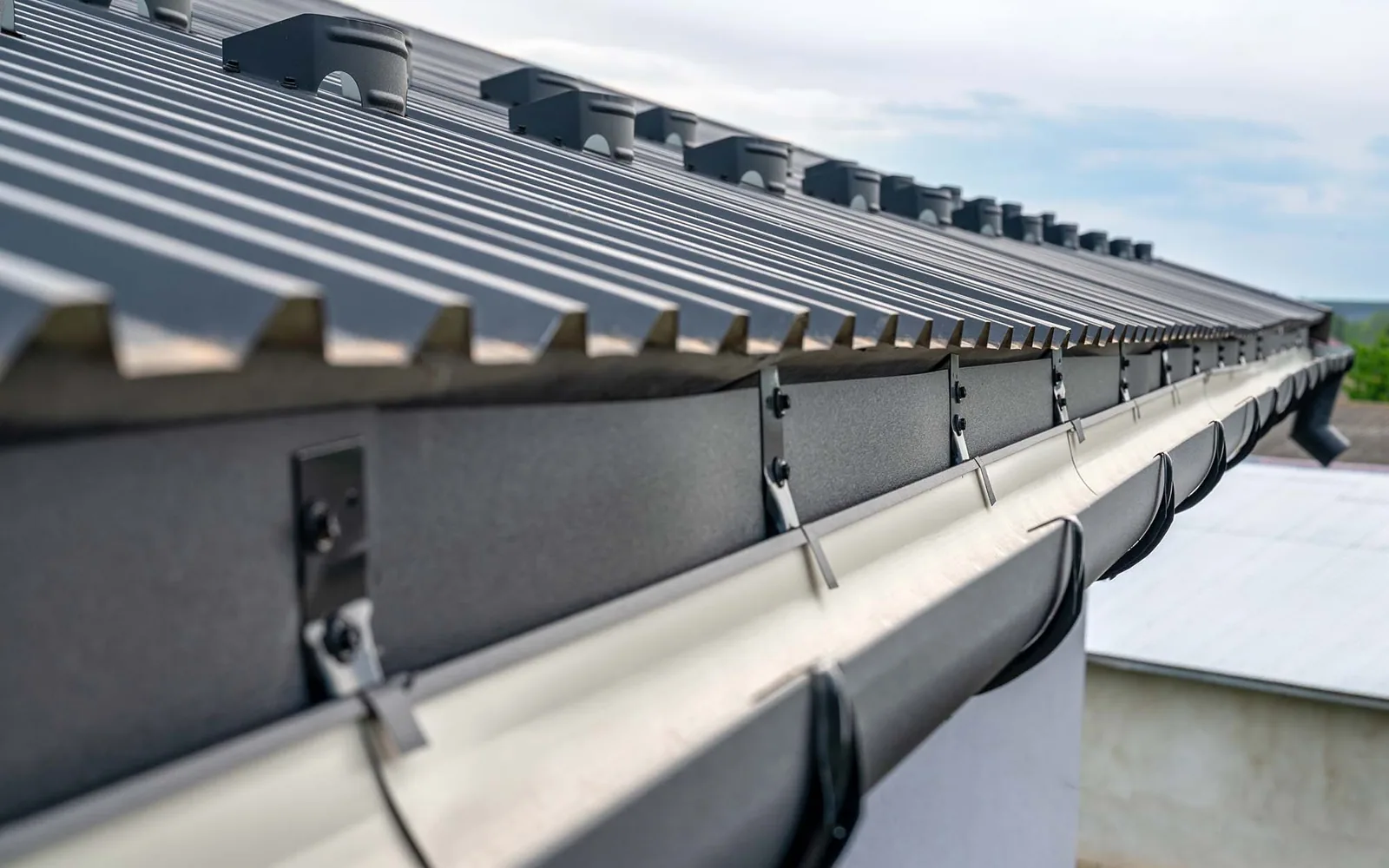
Drain bowls, scuppers, and overflows need to remain clear after installation. Check whether the field sheet reaches the drain properly and whether the clamping detail or flashing remains sound. A puddle around a curb may reflect low slope, a blocked outlet, or a support that interrupts flow. We follow water toward the available outlets and document whether the obstruction, ponding, or membrane detail is the condition that needs correction. A drainage inspection keeps those findings separate.
At a school or campus, building staff may have class schedules, deliveries, event calendars, and restricted areas that affect staging. University Boulevard links ACC and Texas State locations, but each campus contact sets its own directions for ladders, lifts, and roof access. For an inspection near the University Boulevard campuses, we confirm the building name and current access sponsor rather than planning from the district name.
Round Rock also approved development for Kalahari near Old Settlers Park and Dell Diamond. Those destinations indicate the area's mixed commercial and hospitality activity, not a roof system or work schedule. A separate property contact supplies loading windows, sensitive areas, and roof drawings. Any fabrication dimension remains tied to the individual building and the date it was measured.
Decide whether a section can be repaired
A small opening at a field seam may accept a compatible PVC repair if the surrounding sheet and substrate remain sound. A torn panel, repeated weld problem, deteriorated deck, or wet insulation may need a larger boundary. We identify which portions are confirmed and where another test would change the decision. A repair scope should distinguish seam work from removal of concealed layers.
A recover is not automatic just because the visible Duro-Last sheet is worn. We check existing layers, moisture, deck, drain height, edges, and whether a second assembly is permitted. A recover evaluation can compare the roof as installed with the conditions needed for an overlay. If broad deterioration or damaged deck is present, a replacement plan describes removal, substrate review, replacement details, and the close-in sequence.
Round Rock applies adopted 2024 IBC and IECC editions through its Building Inspection Division, which handles permitting and inspection requirements. Proposed changes to attachment, insulation, or layers may need review. Cost and duration depend on measured roof area, custom panel layout, field welds, access, lift, tear-off, moisture tests, weather, and the number of details that require rebuilding.
Preserve measurements and repair locations
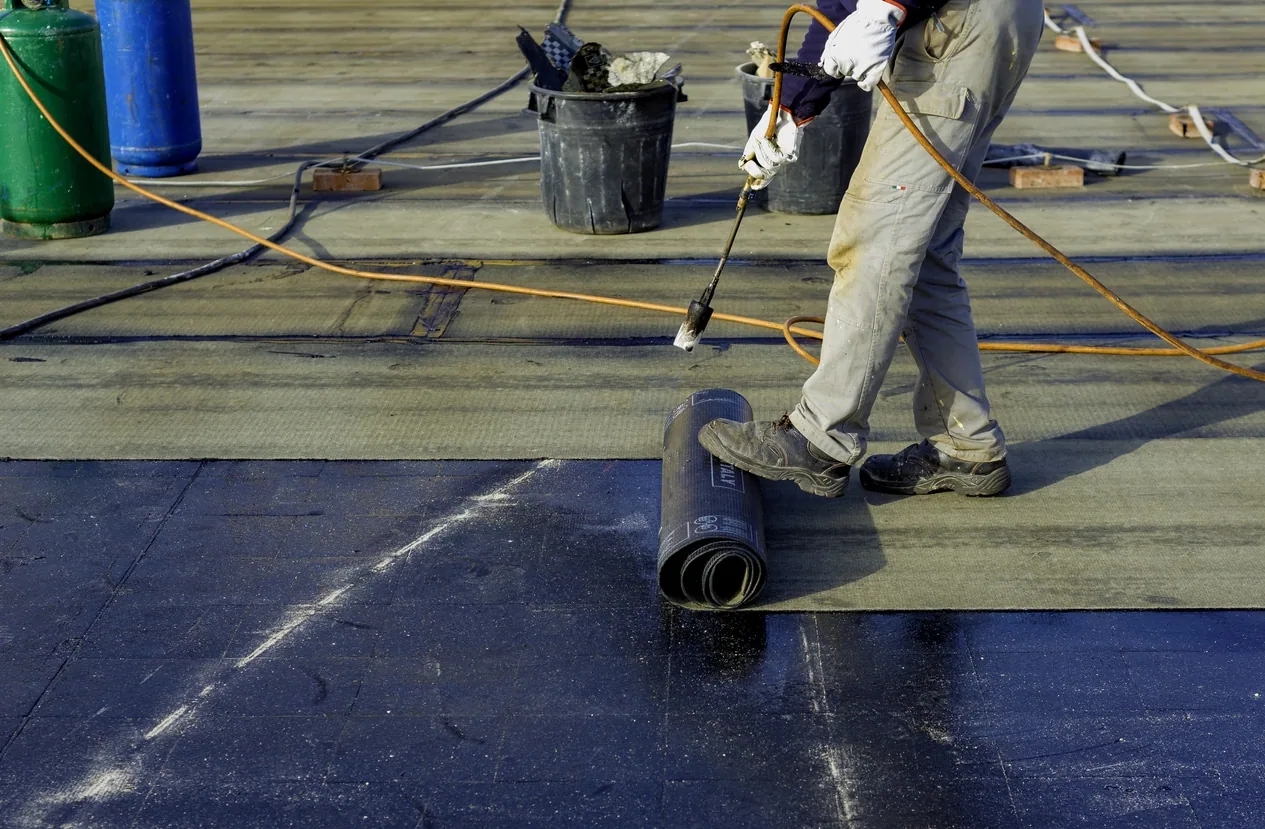
Keep the current roof plan, measured details, panel boundaries, field seams, and later repairs together. Photos should identify the roof zone and show nearby curbs or drains that help locate the work. Record any panel cut or transition that changed from the original layout. That gives the next inspection a useful comparison instead of leaving a repair patch without the dimensions around it.
Central Texas summer heat can raise rooftop conditions faster than the surrounding air. We check the actual surface before welding seams and choose a protected stopping point if the work window shifts.
Share the property address, roof drawings, leak location, Duro-Last records, known post-installation changes, and access rules. We will compare the measured roof with the current conditions and outline the repair or replacement path supported by inspection.
Questions About Duro-Last Commercial Roofing
Does custom fabrication mean every seam is made at the factory?
No. Factory-made sheets and accessories can reduce some field detail work, while panel joints and later repairs still require work on the roof. We inspect the installed seams and transitions directly.
What if a curb or drain moved after the membrane was fabricated?
We compare the current roof with the plan and closeout dimensions. A moved detail may require a revised panel or a field repair. We document the mismatch before selecting the adjustment.
Can a damaged Duro-Last section be patched?
A patch can work when compatible sheet and sound substrate are available around the opening. We inspect the weld, surrounding membrane, and concealed condition before marking the repair limit.
Do Round Rock storm reports confirm damage to my roof?
No. A regional report can help date the inspection request. We look for impact or displacement at the property and separate confirmed roof findings from the reported weather event.
Which records help verify the installed Duro-Last assembly?
Send the address, roof plan or fabrication layout, affected room, access contact, and records of equipment or drain changes. Those details help us compare the measured design with today’s roof.
Related Roofing Work
Commercial Roof Inspection
Sika Sarnafil Roofing
Carlisle SynTec Roofing
Infrared Roof Moisture Survey
Commercial Roof Drains and Scuppers