Review a Carlisle SynTec Roof
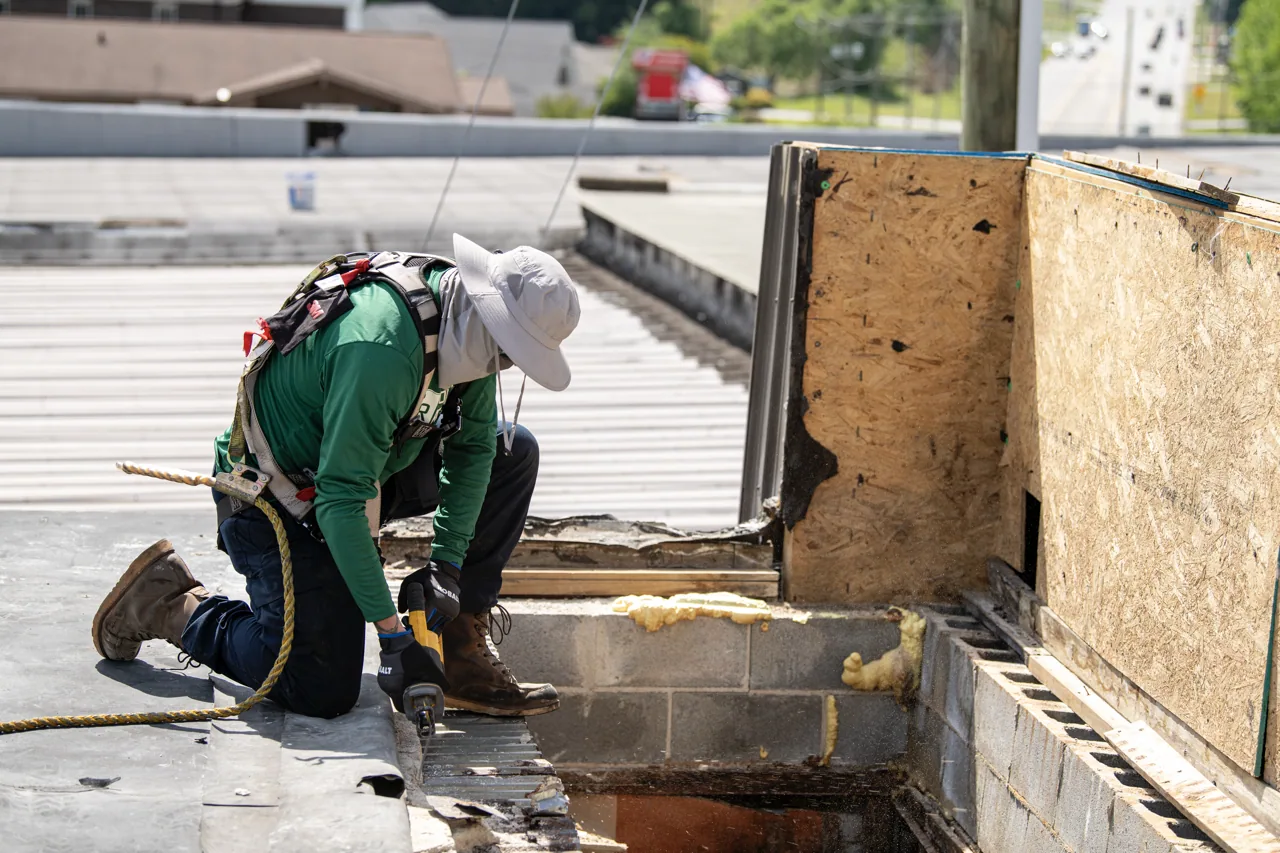
A black field sheet and a welded white patch can sit on the same roof after years of repairs. That may mean an EPDM repair beside a newer thermoplastic section, not one continuous Carlisle assembly. We identify the membrane, seam method, attachment, and transitions before deciding what can be repaired. Carlisle SynTec makes EPDM, TPO, PVC, and fleece-backed single-ply systems, including Sure-Seal, Sure-Weld, Sure-Flex, and FleeceBACK product families. Round Rock’s building mix includes Dell Technologies and healthcare facilities near Seton Parkway, where access and interior activity can shape the inspection route.
A familiar label helps, but it does not tell us whether the roof is adhered or mechanically attached, what cover board sits below, or which later patches are compatible. We map those details, trace the reported water path, and explain where evidence ends. A commercial roof in Georgetown still needs its own system records and field inspection; a nearby city's building mix cannot identify the assembly.
Share the Round Rock address, leak location, access requirements, and available roof or repair records. We will identify the assembly and document a supported repair or replacement path. Call 555-555-5555 or request a roof assessment.
Map the material before naming the repair
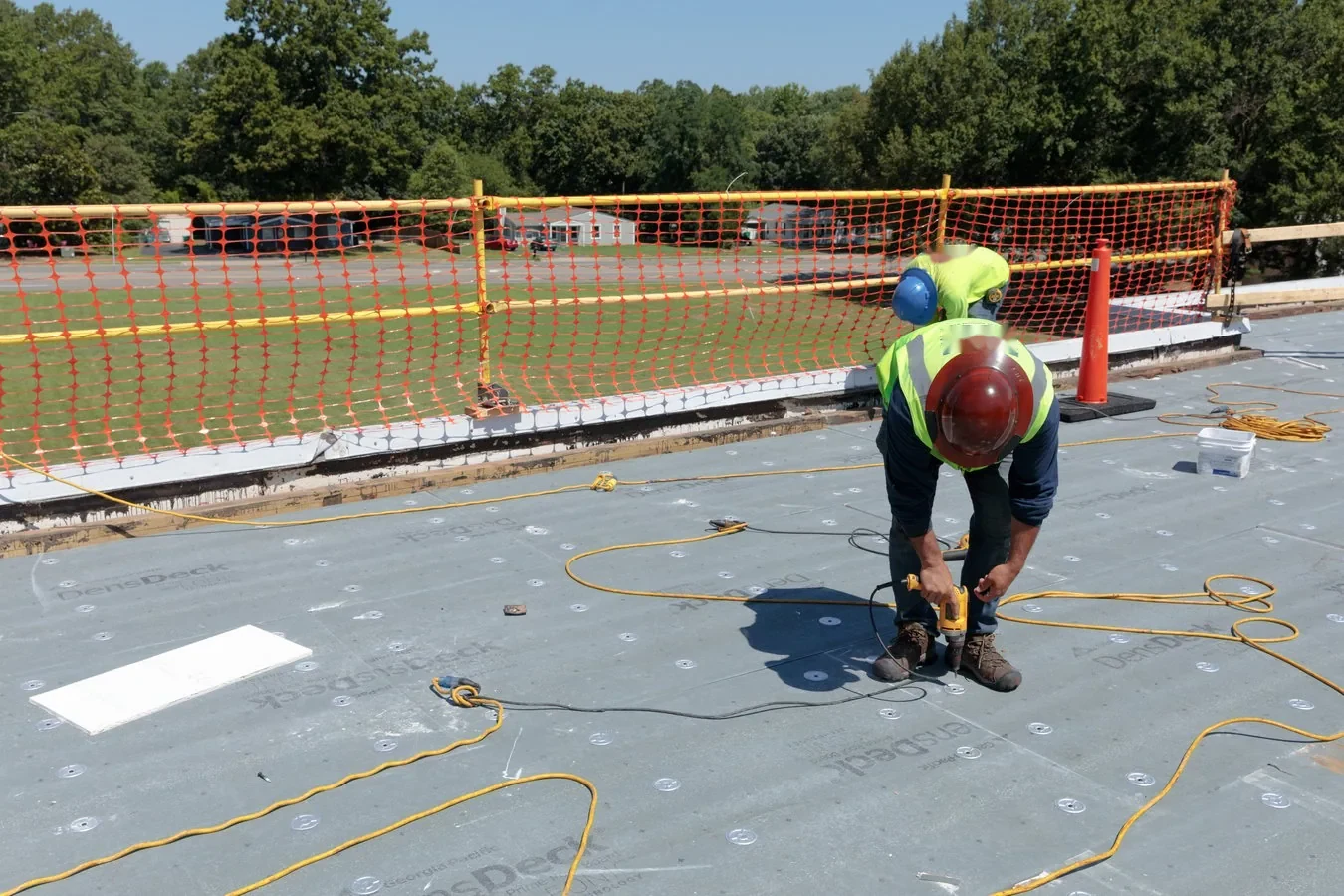
Start with the exposed membrane and its joints. EPDM is a thermoset rubber sheet commonly joined with seam tape or adhesive; TPO and PVC are thermoplastic membranes whose laps are heat welded. Fleece-backed products add a different underside and attachment interface. Those differences matter when a repair crosses an old patch or a later reroof. We check edges, seams, penetrations, roof-to-wall transitions, and any exposed cut that can show the assembly layers.
Carlisle’s product range also includes insulation, adhesives, primers, cleaners, and accessories. The roof still needs a building-specific design. We check deck type, insulation condition, attachment pattern, drainage, perimeter details, and curb height before suggesting a repair or recover. An owner comparing product families can review Johns Manville system options or Versico membranes, but compatibility follows the existing materials and project requirements, not a brand-to-brand shortcut.
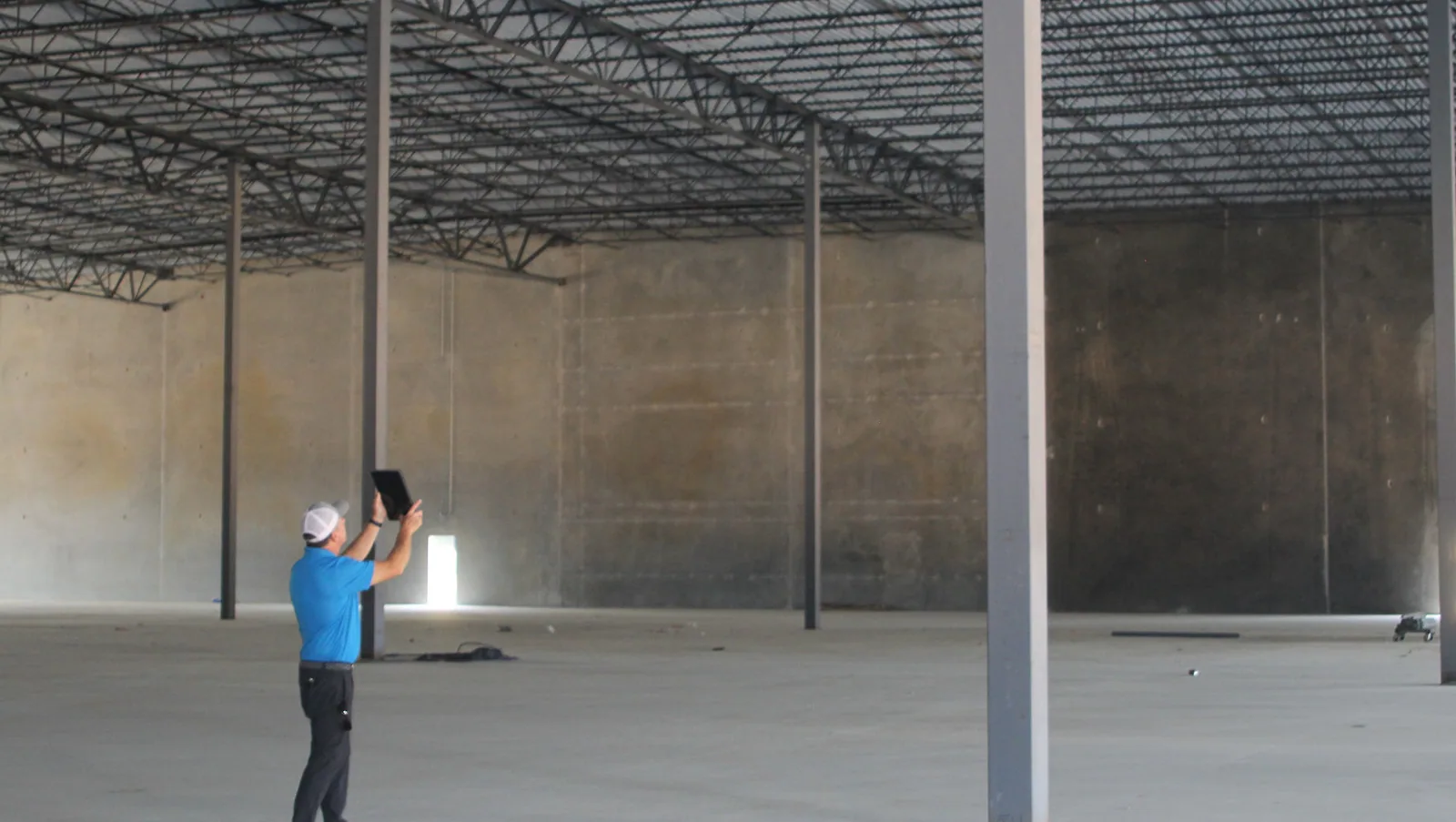
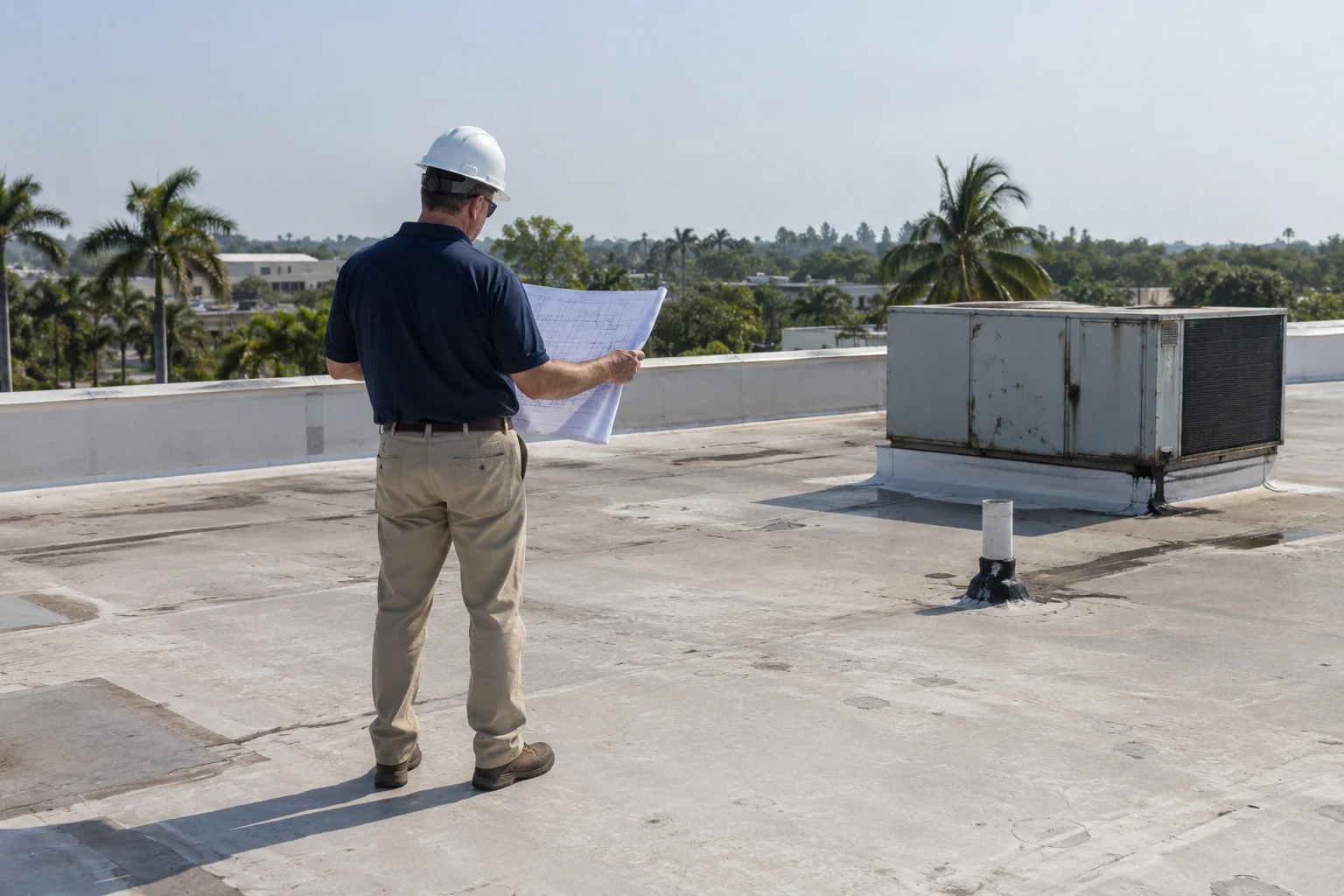
Round Rock’s Building Inspection Division enforces local building requirements, and the adopted code list includes the 2024 IBC and IECC. If the scope changes insulation, attachment, or the number of roof layers, we identify that before work is scheduled. A roof inspection record can capture the assembly, uncertain layers, and any test cut needed to choose the next step.
Read a seam as a working joint
A seam carries movement as the roof heats, cools, and responds to wind. On a Carlisle TPO or PVC assembly, we inspect the weld edge, corners, end laps, and flashing tie-ins for incomplete fusion, contamination, or later damage. On EPDM, the seam tape and its margins need a different check. Pressing down a lifted lap without cleaning and preparing the right surfaces can leave the same water path in place. We mark the defect and sound material around it before setting a repair boundary.
Switch’s approved Round Rock data-center development sits within a larger technology-property setting, while Dell Technologies has its global headquarters in the city. Those names describe local building activity; they do not identify the roof system at either property. For a roof that serves critical equipment, the facility contact should confirm security, photography, escort, and access rules before the roof walk. We keep the visit to authorized areas and coordinate the inspection window with the person responsible for operations.
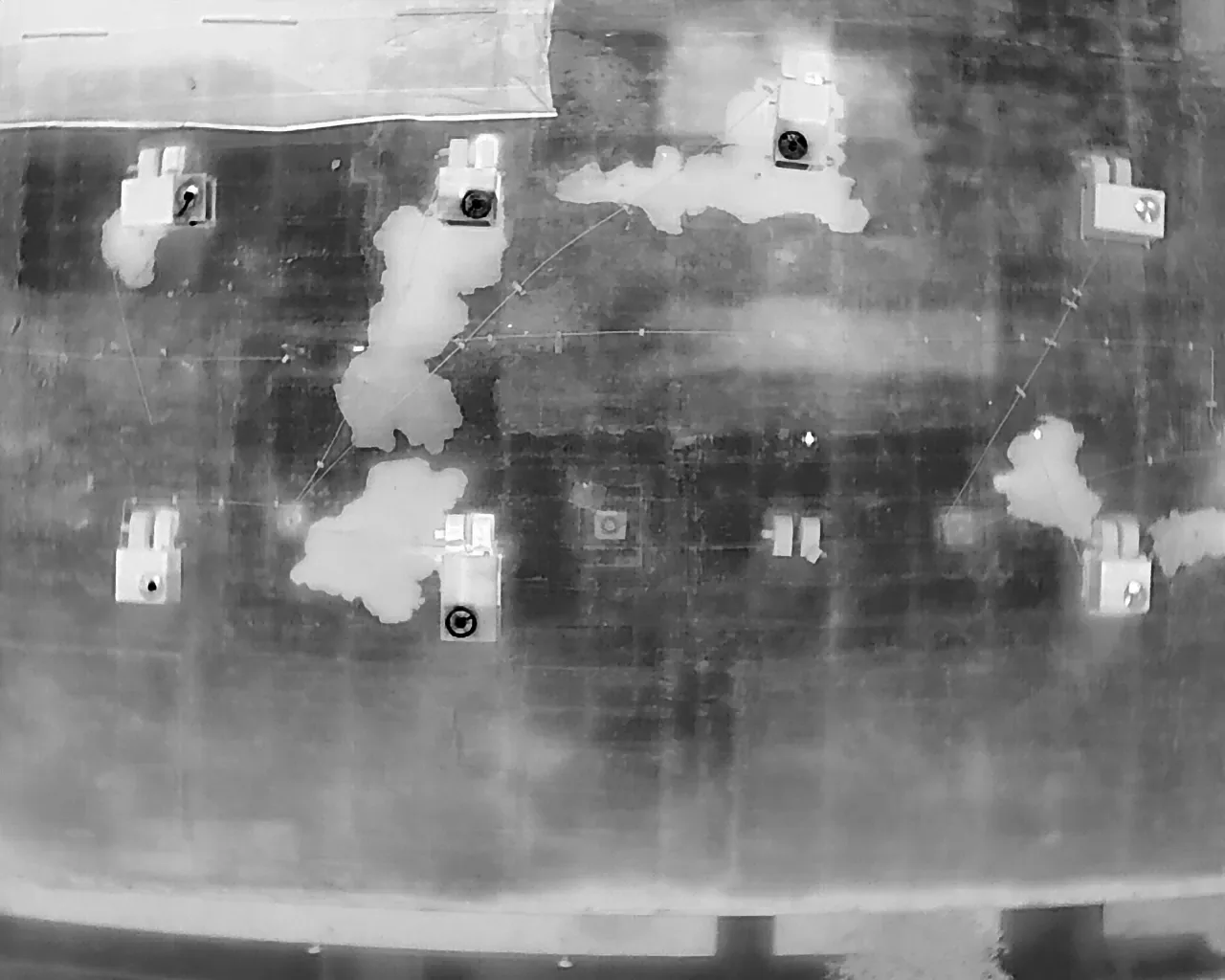
Water can travel below a membrane before it appears indoors. We compare the reported room and timing with drains, curbs, pipe flashings, and seam lines. If concealed wet insulation could change the scope, a test cut can show the layers at one selected point. An infrared moisture survey may help locate areas for direct testing, but neither method establishes conditions beyond the locations examined.
Separate weather context from roof evidence
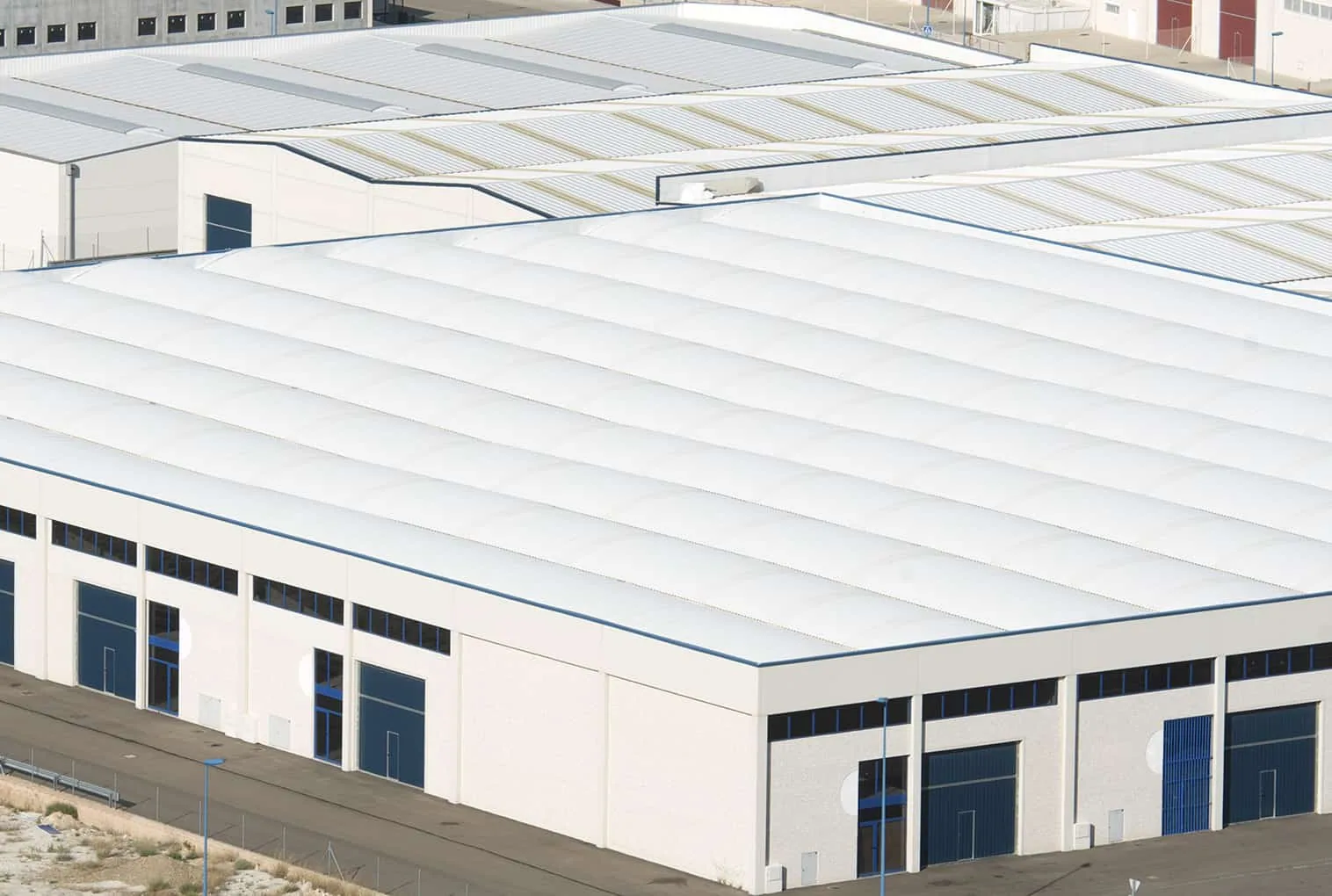
On March 21, 2022, a tornado crossed Round Rock while hail was reported elsewhere in the Austin and San Antonio area. That event can make an inspection timely when the owner reports a matching date or concern. It does not prove damage to a particular Carlisle membrane. We photograph observed conditions, note which areas were reached, and compare displaced details with the report. The scope states what inspection confirms and what remains uncertain.
Summer heat affects work timing and membrane handling. Nearby Austin Camp Mabry’s normal August high is 97.8 degrees Fahrenheit for 1991 to 2020, showing the regional summer pattern. We check conditions at the property and plan cleaning, welding, adhesive use, and close-in around the day’s weather. If the safe work window changes, the crew closes the active zone before shifting tasks.
For an occupied property around Seton Parkway, deliveries and roof access may need to avoid patient or staff routes. At Chisholm Trail Trade Center, the contact can define loading and staging limits. Those sites have different operating needs. An occupied-building sequence should identify the daily work area, interior protection, and point where each exposed detail will be watertight.
Compare repair, recover, and replacement
A small split in otherwise sound material may allow a localized repair. Repeated seam trouble, widespread wet insulation, deteriorated cover board, or movement at the edge can change the decision. We explain the observed condition first, then separate immediate water control from a lasting repair. A recover should not cover moisture or conceal a drain problem. A recover review checks existing layers, deck, attachment, drainage, and the height of curbs and terminations before an overlay is considered.
For a replacement, the scope should name the membrane, insulation, attachment, perimeter details, penetrations, and close-in sequence. Carlisle’s product options include different sheets and accessories, but selection still depends on the roof plan and the building’s use. A replacement evaluation can compare tear-off and recover paths, identify where deck conditions may change, and list assumptions that affect schedule or cost.
Cost and duration move with roof height, access, staging, testing, removal, wet materials, and the number of details that need rebuilding. Roof quantity must be measured at the building; a campus acreage or employer size is not a roof measurement. The proposal should also identify the hours when materials can arrive and who can release the next roof zone.
Leave a record the next visit can use
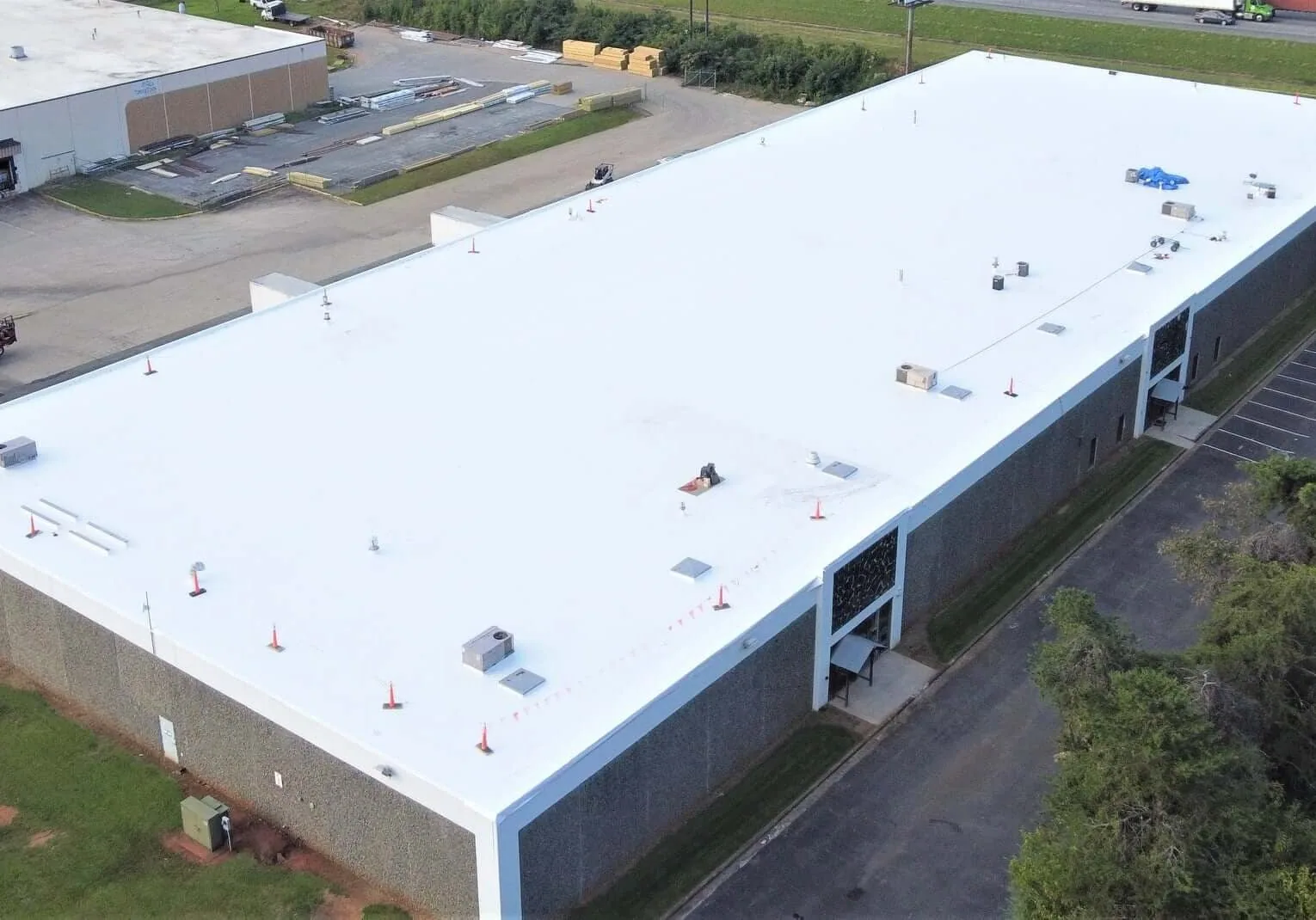
Closeout photographs should show the repaired joint, surrounding membrane, and the transition where the repair meets the existing system. Record material names where identifiable, attachment observed, test locations, weather, and areas not accessible. A condition report can connect each item with its roof zone and next check date. That record helps compare a new concern with an earlier repair.
Send the property address, interior leak location, roof plan or Carlisle documents, and access instructions. We will inspect the assembly, mark the repair boundary, and explain whether more testing or a broader scope is needed.
Questions About Carlisle SynTec Roofing
How can I tell whether the Carlisle roof is EPDM, TPO, or PVC?
A project record or membrane label is the clearest starting point. We compare the sheet, seam method, and repair details on the roof, while noting where a patch or later layer obscures identification. We do not select repair material until the existing membrane is clear.
Can tape repair every Carlisle EPDM seam?
The seam must be clean, dry, sound, and compatible with the repair detail. We inspect the tape margin and adjoining sheet first. If the sheet has deteriorated or moisture affects the substrate, a surface patch alone may leave the underlying condition unresolved.
What happens if a TPO or PVC weld looks open?
A probe check and close inspection can show whether the edge is unfused or damaged. We look at the adjacent membrane and the attachment beneath it before welding a repair. Repeated openings may call for investigating movement or substrate conditions beyond the visible joint.
Could an older Carlisle roof be recovered?
That choice depends on layer count, trapped moisture, deck condition, drainage, fastening, and detail heights. We inspect those conditions and test where needed. If the assembly cannot support a recover, removal and replacement may be the clearer scope.
Does a Carlisle product name prove current warranty coverage?
No. The label identifies a product family, not the owner’s current coverage or claim status. We can document the material and visible conditions, then review the applicable project papers if the owner asks about a separate warranty question.
Related Roofing Work
Georgetown
Johns Manville Commercial Roofing
Versico Commercial Roofing
Commercial Roof Inspection
Infrared Roof Moisture Survey