Build a Working Roof Register
A portfolio spreadsheet lists a repair date, but not which roof section was patched or whether rain tested the work. Roof asset management turns those records into building-level information. Round Rock includes large technology properties such as Dell Technologies headquarters and the Switch campus, alongside industrial, retail, medical, and education buildings. Commercial districts in Pflugerville and Cedar Park include varied property types; each roof asset still needs its own records and inspection.
We build a register from field observations and available records. Each asset has a system, roof-zone map, open findings, completed work, and next action.
Send the property list, roof plans, prior reports, open tickets, access contacts, and equipment schedules. We will identify the records each building needs. Call 555-555-5555 or request a roof assessment.
Give Every Roof a Traceable Record
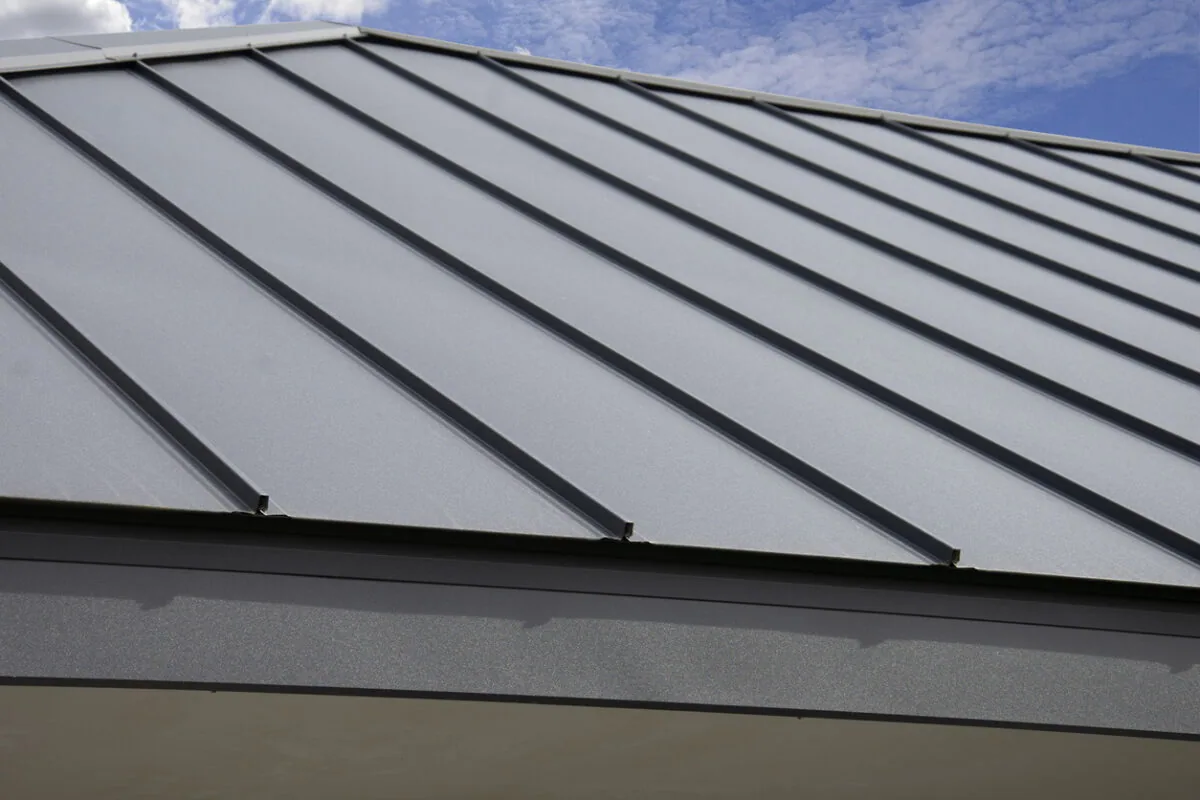
Start with the property address, building label, roof access point, system if known, and a contact who can authorize entry. A campus can include several structures and additions. We verify those boundaries in the field and record a roof-zone name for each section. If the plan is incomplete, the inspection notes what was measured and what remains uncertain.
Round Rock's portfolio can include data-center, medical, retail, and distribution properties. A useful roof register gives each building and roof section a stable label, then records access rules, system details, work history, and the person responsible for the next visit. Set a review interval for each system and bring forward unresolved repairs, prior leak reports, and areas that were not reached.
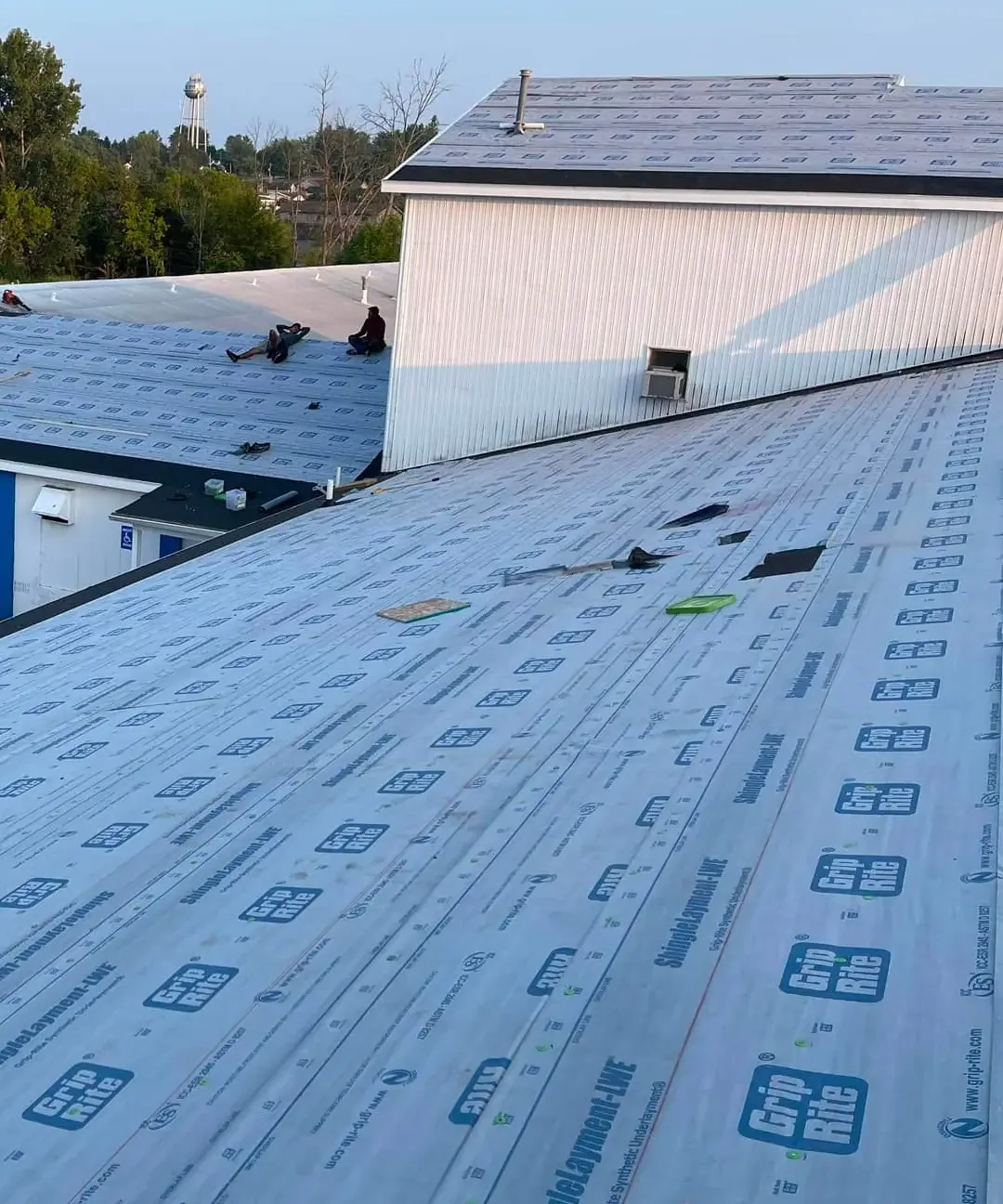
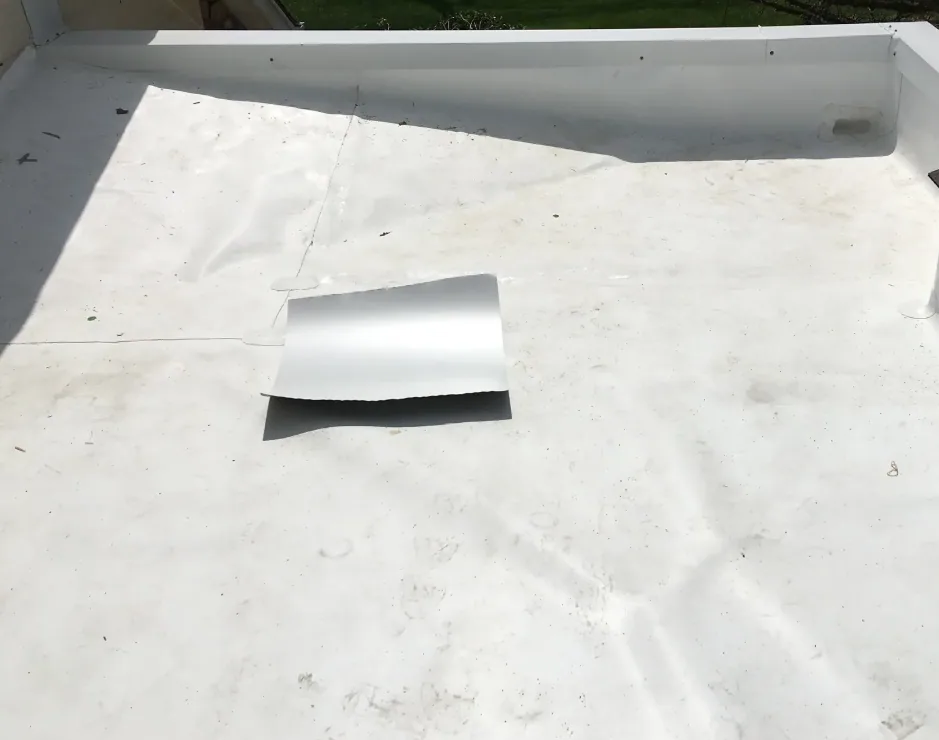
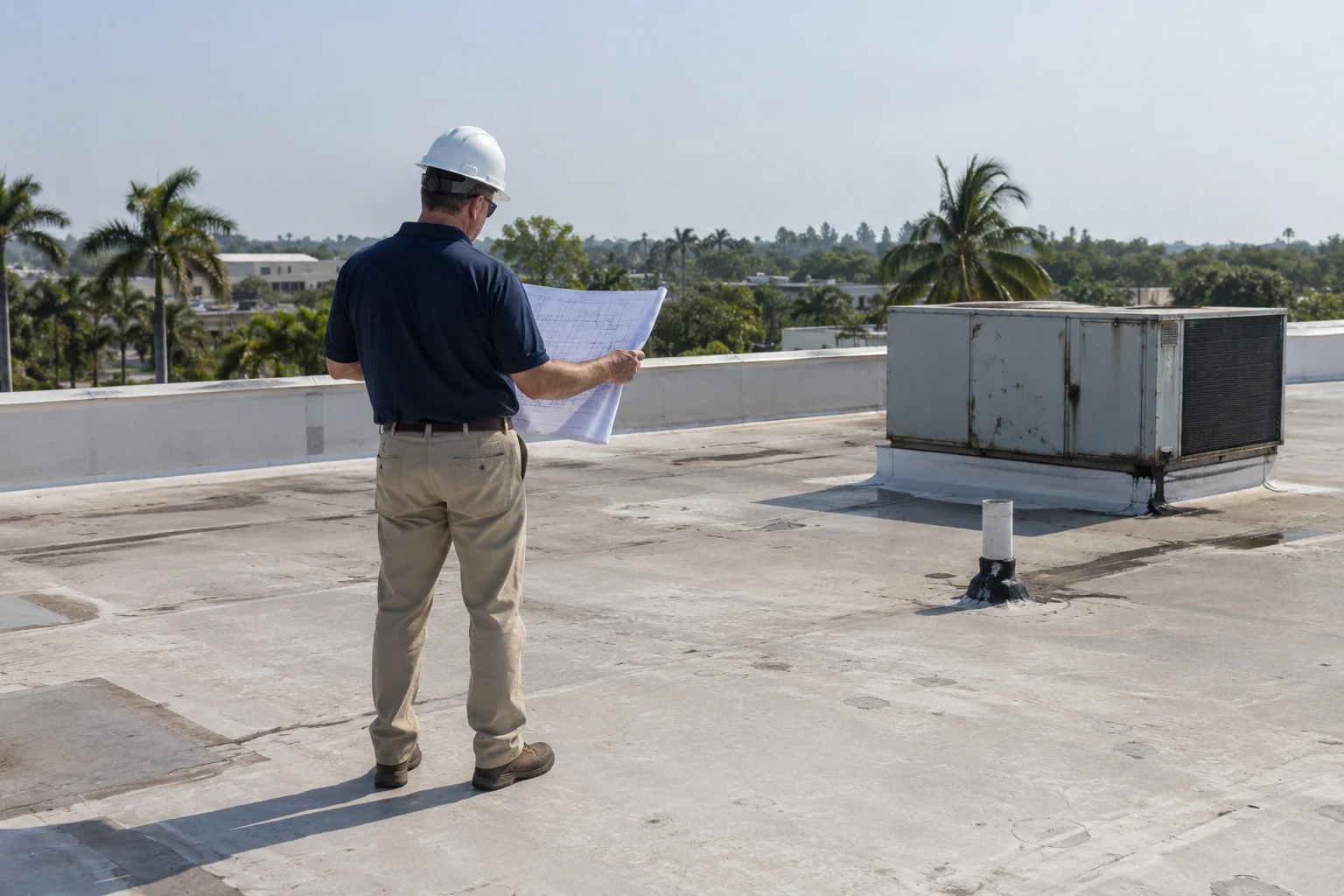
For each visit, we record visible membrane conditions, drains, edge metal, penetrations, equipment curbs, and any reported leak. A photo should identify the location and orientation, not sit by itself in a folder. The register links it to the building and roof zone. Any section blocked by weather or access is marked as not inspected.
Use consistent labels for active leaks, repair candidates, maintenance items, and areas for later observation. Those categories support sorting, but each record retains the underlying finding. A label should never stand in for the roof detail that supports it.
Connect Service Calls to the Roof Map
A maintenance ticket needs the room, date, weather, and roof zone. We compare the interior location with the roof plan and note the likely water path. If it is unclear, the record shows which inspection or test could resolve it. A test cut describes its sample point only. Store the cut location and close-in method with the repair record. This detail keeps future samples from duplicating prior openings during later follow-up work.
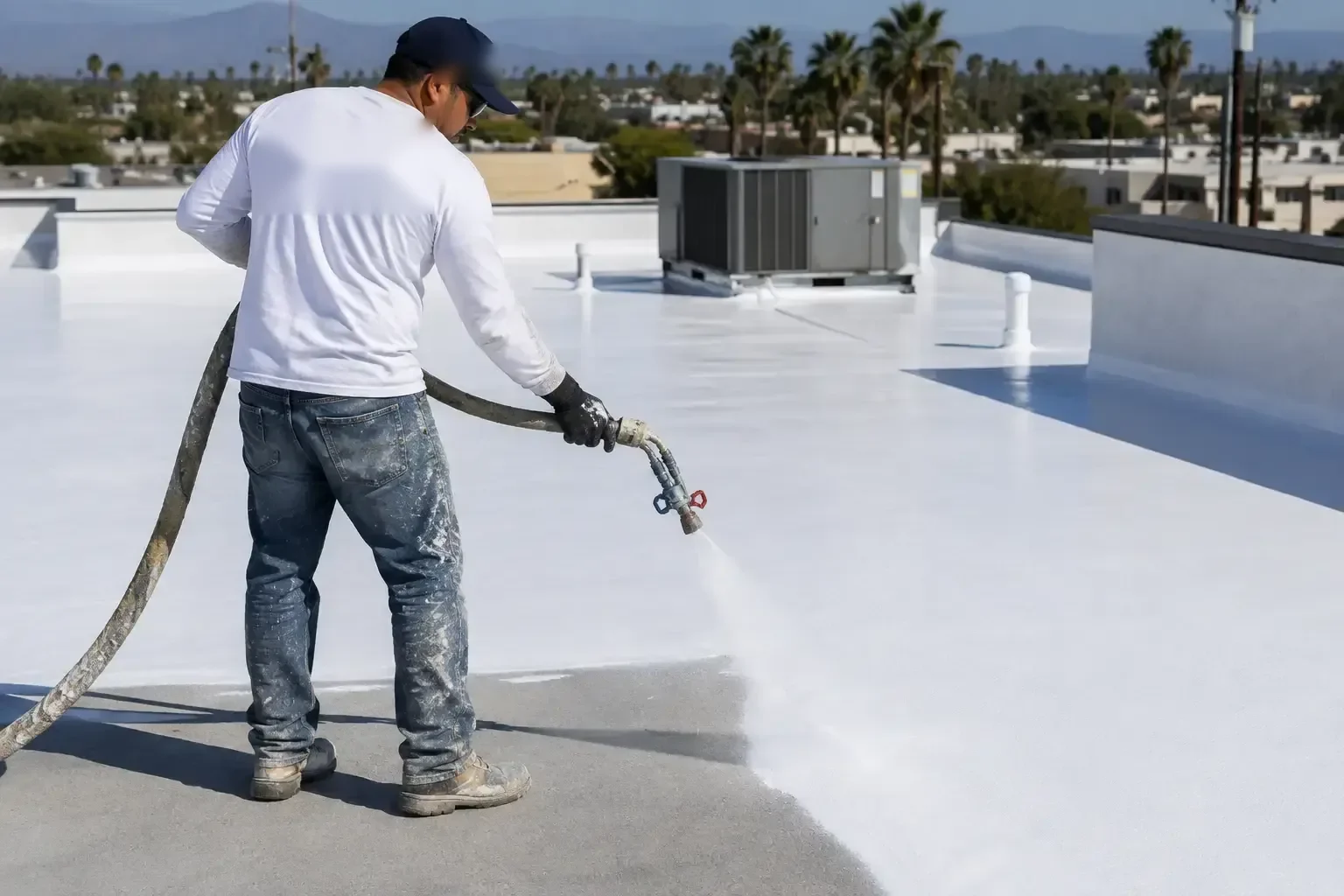
After repair, update the register with the material, measured boundary, and completion date. Note whether rainfall has tested the work. Temporary protection stays separate from permanent restoration. If concealed wet insulation or deck damage expanded the scope, record the approval and added quantity.
A shared register helps staff compare recurring reports without treating similar symptoms as identical failures. Ponding beside one unit may reflect a drain issue; a nearby building could have a different slope or assembly. We keep findings attached to their own roof zone.
Useful records can come from commercial roof inspections and preventive maintenance. A property team can link its register to condition reports, warranty tracking, and property management work orders.
Use Findings to Set the Next Check
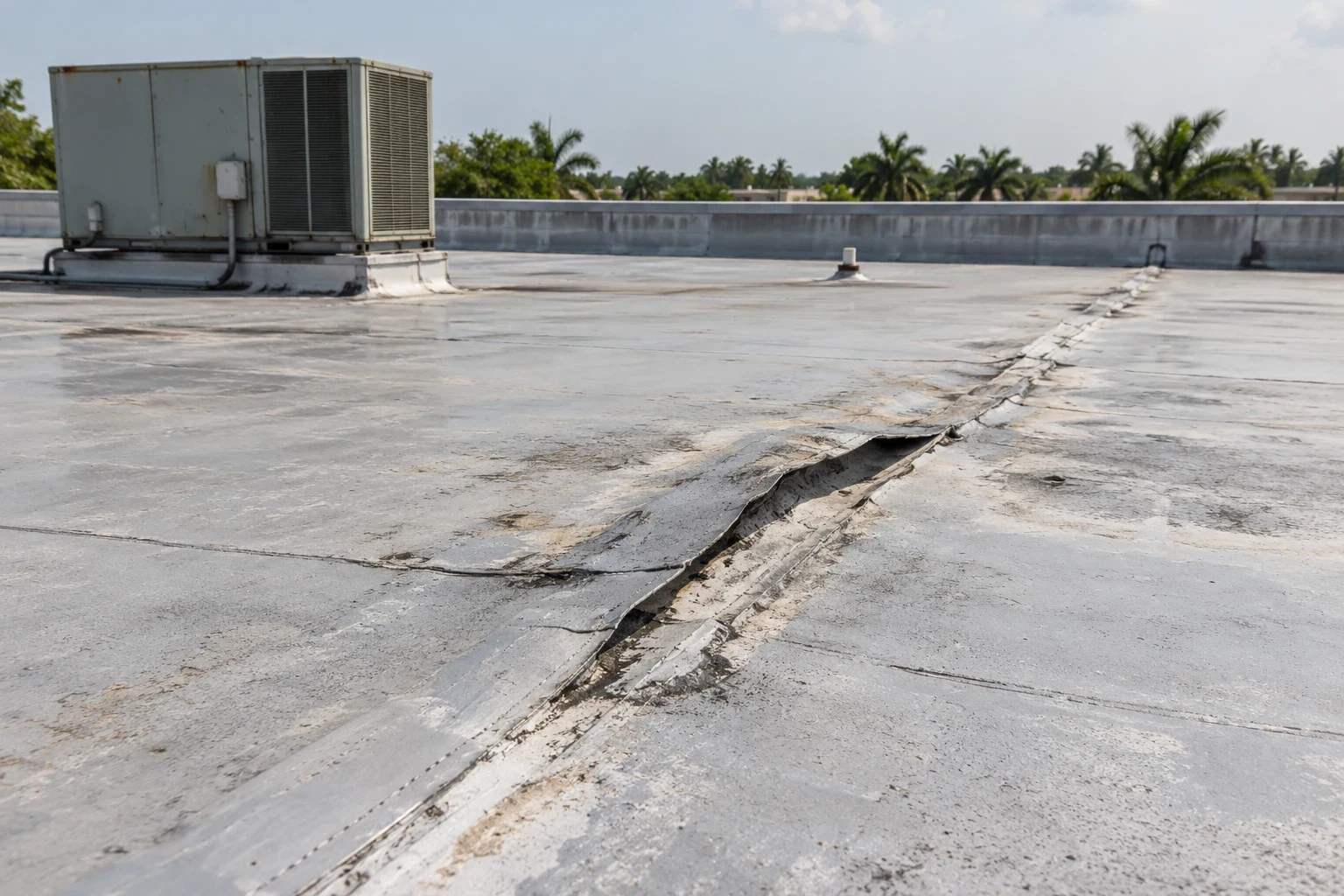
Inspection intervals should reflect the roof system, observed condition, storm exposure, maintenance history, and owner requirements. A report can identify a field mark to revisit after rain or a drain that needs seasonal cleaning. A calendar interval alone does not establish roof performance.
Round Rock's central Texas setting includes sustained summer heat and severe storms. The nearby Austin Camp Mabry station provides climate context, while the March 2022 tornado track crossed Round Rock. These conditions can guide what details to inspect, but the register records conditions found at the property rather than converting regional weather into a damage status.
Portfolio decisions need cost and timing inputs that the roof record can support. We identify system type, repair quantities, access limits, equipment density, and whether tenants can accommodate phased work. An owner can then compare maintenance, repair, coating, recover, and replacement options using the evidence captured for each asset.
For a larger reserve discussion, pair the register with roof capital planning. The register supplies observations; ownership sets funding priorities and timing. The two records should use the same building identifiers so a budget item can be traced back to its roof section.
Keep the Register Useful After Staff Changes
Each record should show who inspected, when access occurred, which zones were reached, what materials were installed, and what remains open. A new facility lead needs enough information to locate the same detail without relying on the prior manager's memory. Roof plans, equipment schedules, warranties, and service tickets belong with the register.
When a unit is replaced or a tenant adds a penetration, update the roof map and record who restored the flashing. If no closeout is available, mark the gap rather than assuming the detail was completed. That note can become the next inspection question.
Round Rock has I-35, US 79, SH 45, and SH 130 connections. Those routes can group visits, but the register should retain an independent record for every property. Crew movement across the market does not combine separate roofs into one asset.
A roof asset file is useful when it answers a practical question: which building, which detail, what changed, and what action follows. We can inspect, repair, and update records within an owner-defined scope.
Set a simple update rule for every service event. The person closing the work order attaches the contractor record, marks the affected plan, and assigns any follow-up. If the record lacks a roof-zone label, return it for clarification while the crew can still identify the work. That small handoff keeps later planning tied to physical evidence.
For a portfolio with different owners or tenants, note who can request access, approve repair work, and receive reports. Those roles may vary by property. The register should name the current contact and date of confirmation so a future inspection does not begin with an outdated access assumption.
Before a budget review, sort the register by roof zone and next action: active leak, near-term repair, routine maintenance, or further testing. Each entry should carry its evidence, inspection date, access limits, and approval needed. This lets an owner compare priorities without treating estimated age or one sample as a confirmed roof-wide condition.
At closeout, name who files the roof plan and photos, confirms completion, and carries the next check into the calendar. At campuses and retail properties alike, keep security limits or tenant access rules with the building record, not in a shared general file. Retain the last inspection date with each decision so future reviewers can distinguish current findings from older conditions.
Questions About Commercial Roof Asset Management
What belongs in a roof asset register?
Record the address, building and roof-zone labels, system, inspection findings, work history, access limits, and next action. Link every photo to its location.
Can records from different contractors be combined?
Yes, if property and roof-zone labels can be reconciled. We note gaps or conflicting system descriptions instead of choosing one without field confirmation.
Does an asset register predict roof life?
It organizes observations and repairs. Remaining-life estimates require assembly, moisture, maintenance, exposure, and access evidence for each roof.
How do I track whether a repair worked?
Mark the repaired detail and note whether weather has tested it. A later inspection can revisit the same location and compare conditions.
Can you start with only a few buildings?
Yes. We can define a small initial group, establish its identifiers and records, then expand the register as access and priorities allow.
Related Roofing Work
Pflugerville
Cedar Park
Commercial Roof Inspection
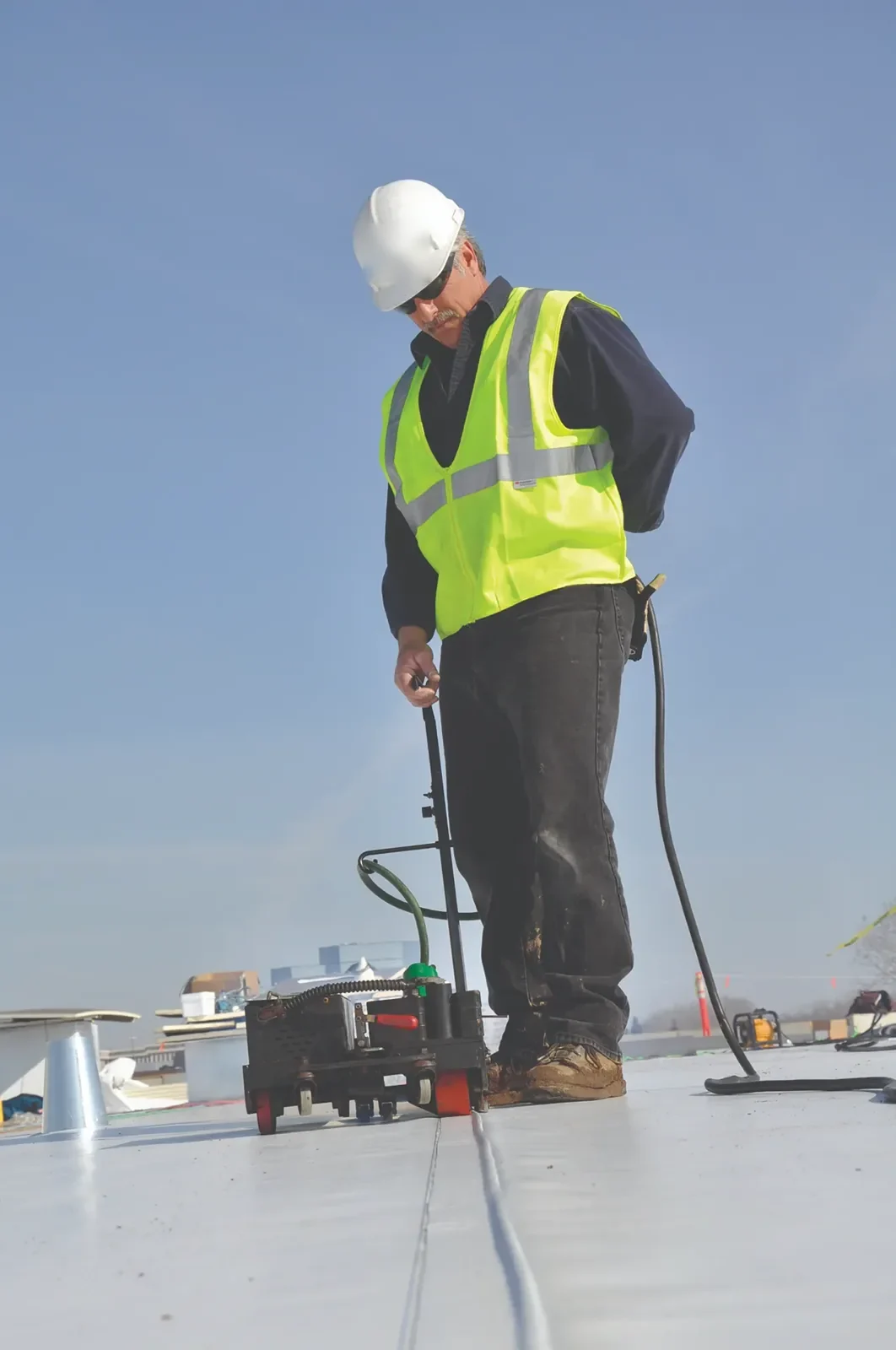
Commercial Roof Maintenance

Commercial Roof Condition Reports